REVIEW · DUBLIN
Dublin: Macabre History Walking Tour
Book on GetYourGuide →Operated by Yellow Umbrella Tours Ltd · Bookable on GetYourGuide
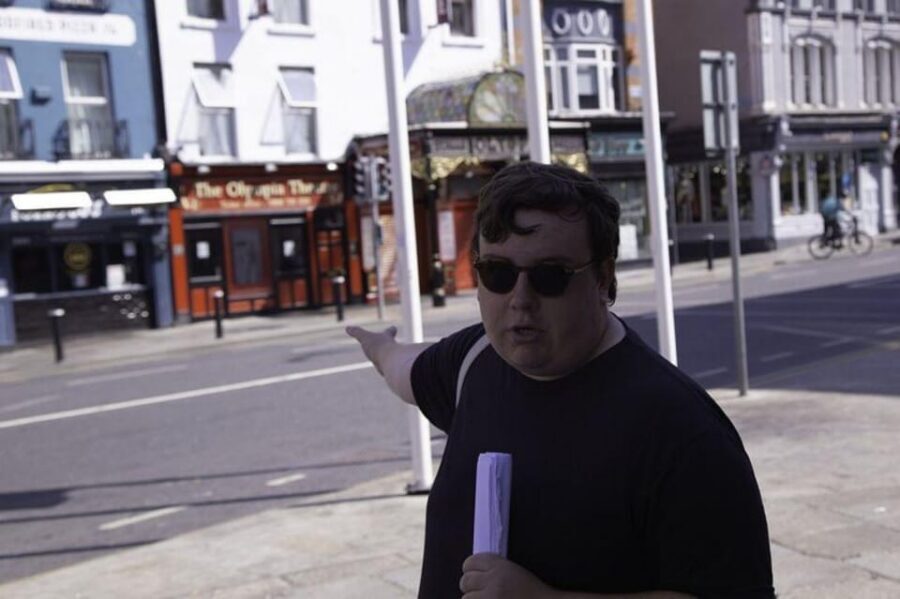
Dublin gets a darker side. This Macabre History Walking Tour turns the old city into a storybook of fear, death, and odd Dublin details, starting right by the yellow umbrella. You get a guided wander through the old center and along the riverside, with the kind of characters you usually only hear about in ghost stories.
I especially like two things. First, the stops are tied to real landmarks, like the statue linked to Cuchulainn’s Death and the areas near the city walls and mortuary history. Second, the guides bring the tales to life: in small groups, people rave about Peter and Rob for humor, clear pacing, and acting out scenes while still answering questions.
One drawback to consider: if you’re expecting a lot of gore, you might find it a bit more story-and-history than outright bloody spectacle. Also, it’s not suitable for children under 18, so keep it adult-only in spirit.
In This Review
- Key things I’d mark on your mental map
- Entering Dublin’s macabre streets from the Spire
- Cuchulainn’s Death and the mortuary side of Dublin
- Quarantines and public executions: fear as public policy
- The “gritty” highlights: mummies, legless killers, and rats
- The route across Dublin’s old center and riverside mood
- The ending at the cathedral and a brothel keeper’s fate
- Peter and Rob: why the storytelling quality drives the rating
- Price and value: is $19 worth two dark hours?
- Should you book this Dublin macabre walk?
- FAQ
- Where do we meet for the Dublin Macabre History Walking Tour?
- How long is the tour?
- How much does it cost?
- Is the tour wheelchair accessible?
- Is hotel pickup included?
- What language is the tour guide?
- Is this tour suitable for children?
- What’s the cancellation policy?
- Are there different starting times?
Key things I’d mark on your mental map
- Start at the Spire on O’Connell Street and look for the yellow umbrella (there may be more than one).
- Two hours, end back where you started, so it fits cleanly into a Dublin day.
- Both sides of the river get covered, so the walk feels like you’re changing city “moods.”
- Cuchulainn’s Death and its raven-eye moment anchor the tour early.
- Mummified corpses, legless serial killers, and man-eating rats keep the stories oddly memorable.
- Peter or Rob-style storytelling is a major part of the value, not just the facts.
Entering Dublin’s macabre streets from the Spire
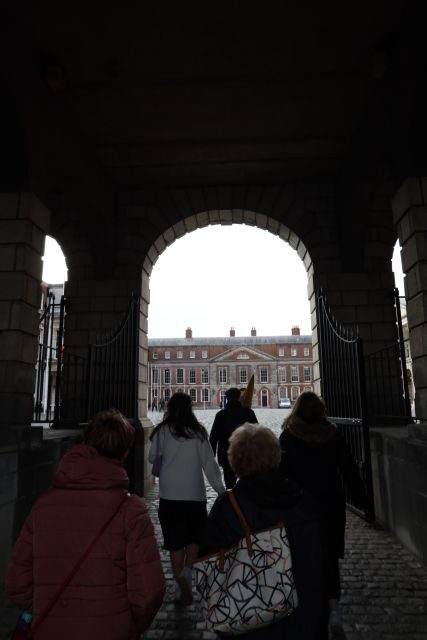
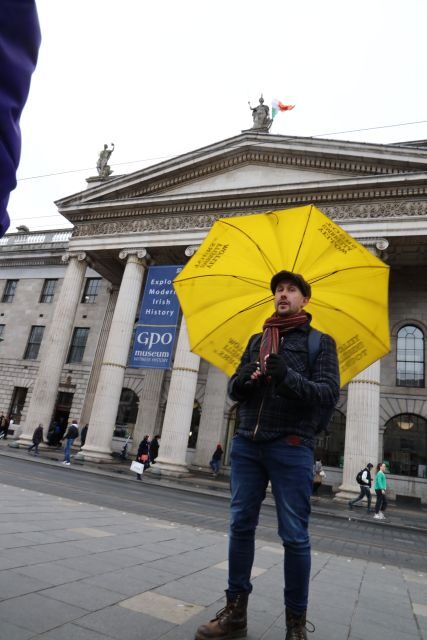
The whole tour starts in plain sight, at the Spire in the middle of O’Connell Street. The directions are simple: meet beside the Spire and look for the yellow umbrella. That matters because it cuts down your stress. Dublin’s not huge, but you still don’t want to waste your tour time hunting for a guide in old alleys.
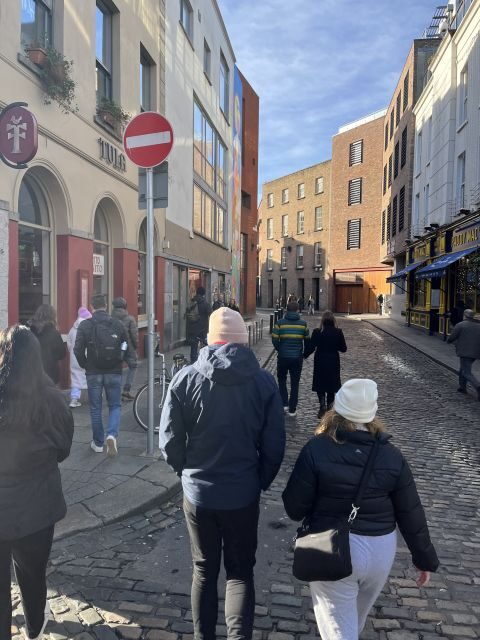
From there, you’ll walk through lesser-known parts of the old city center. The tour doesn’t just stay on the main streets. You’ll go close to the old city walls and work your way across the city’s geography so the stories feel tied to place, not just told in the open air.
Plan on a straightforward city-walking pace. It’s 2 hours total, and the best way to enjoy it is to wear shoes you can trust on uneven pavement. Also note the tone: it’s macabre history, not for kids under 18. If your comfort level is low for grim topics, you’ll want to think twice before booking.
You can also read our reviews of more walking tours in Dublin


Cuchulainn’s Death and the mortuary side of Dublin
One of the tour’s most memorable anchors is the story connected to the Death of Cuchulainn. You’ll hear the dramatic version tied to the warrior who had his eyes pecked out by a raven on his shoulder. It’s a mythic image, but the tour uses it to set up a larger point: Dublin has long mixed legend, religion, and fear.
Then the walk turns more historical and more uncomfortable. You’ll hear about the thriving 19th-century business of grave robbing near the city mortuary. Even if you know nothing about this before, it helps you understand why bodies and burial practices became such potent subjects. In other words, it’s not just “scary stories.” It’s how a city handled death in ways that still echo in the urban landscape.
You’ll also get the visual cue of the statue of Cuchulainn’s Death, which gives you something to orient around as the story shifts eras. That’s a real advantage for a walking tour: landmark-to-story connections make the details stick.
Quarantines and public executions: fear as public policy

Dublin’s dark chapters didn’t stay in private. The tour highlights medieval quarantines and public executions, and that’s a key difference from tours that only trade in myths.
When you hear about medieval quarantines, you get a window into how cities tried to manage illness when they had fewer tools and less certainty. The tour’s focus on “why” you’re afraid helps you see quarantines as community decisions, not just spooky background.
Public executions are another useful angle. They show how power and punishment were staged in public spaces. Standing in old-city areas while you hear the story makes it harder to treat these events like distant history. You start connecting the dots between architecture, crowds, and the way authority wanted to be seen.
If you’re the type who likes history with context, this section is where you’ll probably feel the most “this explains the city” momentum. If you’re only after entertainment, you’ll still get the momentum, but you may enjoy it more as drama.
The “gritty” highlights: mummies, legless killers, and rats
This tour doesn’t shy away from the odd and unsettling. You’ll be guided through stories of mummified corpses, the legless serial killer, and man-eating rats. That trio is basically the tour’s signature flavor: historical death plus the kind of Dublin grimness that feels half-real and half-legend.
Here’s why it works for me as a walking-tour format. These stories are dramatic enough to keep you listening, but they’re delivered alongside real city corners and a timeline. So even when a detail sounds like a campfire horror tale, it sits next to something you can actually point at on the street.
Also, the guides often keep the pace moving without making it feel rushed. That’s important on a tour like this because grim stories can get heavy. A good guide keeps the rhythm: brief scenes, quick context, then back to walking.
One practical note: bring your expectations into alignment. The tour is macabre and dark, but it’s not built like a horror movie. It’s history storytelling with eerie themes. That lines up well with the tour’s high ratings, and it also explains why one attendee wished it leaned more into the gore.
The route across Dublin’s old center and riverside mood
A nice thing about this experience is that it covers both sides of the river. You’re not stuck in one neighborhood bubble. The walk through the old city center and along the riverside helps the stories feel like they belong to the broader city, not just one tiny loop.
You’ll also get a sense of Dublin’s hidden street character. That’s where the “hidden streets” promise becomes real: you’ll see corners you might not pick on your own, especially if you’re mostly doing classic sights.
And because the tour ends back at the meeting point, you won’t feel stranded at the far end of town. That’s a small but real value. It makes it easy to keep going after the tour, whether that means food, a pint, or simply crossing back into your own comfortable routine.
If you’re juggling a busy itinerary, this structure is helpful: two hours, a clear starting point, and a finished-by return to the Spire area.
You can also read our reviews of more historical tours in Dublin

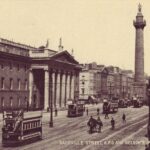

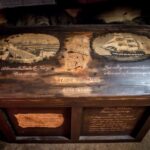
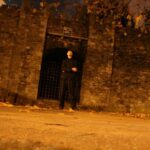

The ending at the cathedral and a brothel keeper’s fate
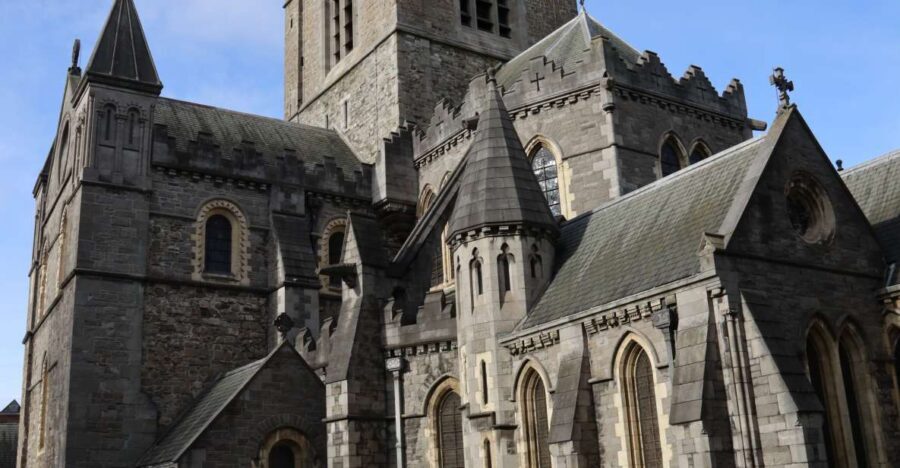
The tour ends near a cathedral, and that final stretch matters because it pulls together the theme: death and public spectacle.
You’ll hear about Dublin’s most famous brothel keeper and her untimely demise by fire at the stake. Even without extra set dressing, this kind of ending sticks in your head. It’s dramatic, it’s historical in tone, and it reinforces why the earlier sections mattered.
Ending beside the cathedral also helps you make sense of the city’s layering. Churches, punishment, burial practices, illness fears, and rumor all overlap in old European towns. Dublin is no exception. The tour uses that overlap to land its story—so the closing minutes don’t feel tacked on.
If you like tours where the last stop gives you a strong final image, this is built that way.
Peter and Rob: why the storytelling quality drives the rating
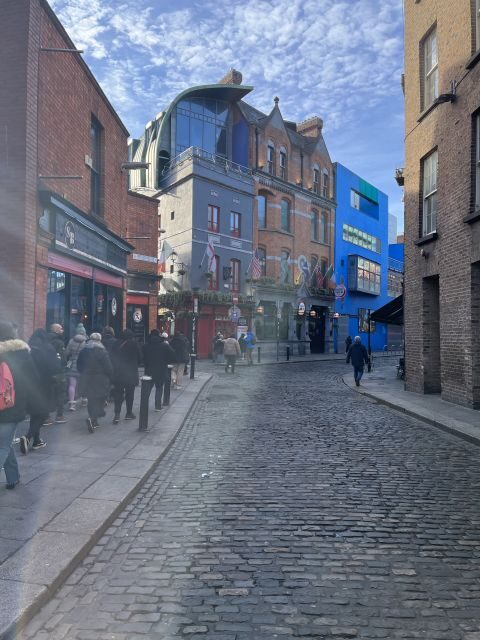
The guides are the big reason the tour has such strong feedback. You’ll see the names Peter and Rob most often, and people talk about the same core strengths: strong story delivery, humor, and clear answering of questions.
A couple of details stand out as practical. In small groups—sometimes around three people—people felt it was close to a VIP experience. That makes sense. When the guide isn’t talking to a crowd, the story can get more personal and the questions are easier to fit in without derailing the walk.
Another praise point: guides use a clear rhythm and, in some stories, act parts out. That helps when you’re hearing about something as hard as grave robbing or as strange as man-eating rats. The acting doesn’t replace facts. It just makes the timeline easier to track in your head.
One thing you should keep in mind: a single attendee wished the tour leaned more macabre and bloody. So if you want intensity above all, you might be slightly less satisfied. If you want eerie history told well, this is the right match.
Price and value: is $19 worth two dark hours?
At $19 per person for a 2-hour guided walk, the value is strong if you enjoy story-driven local history. This isn’t a bus tour where the guide talks from a distance. You’re walking between points, seeing references up close, and getting the guide’s voice in your ear the whole time.
You also get a small “risk reducer” for planning: it’s free cancellation up to 24 hours in advance, and there’s a reserve now and pay later option. If your schedule could shift, that flexibility matters more than it sounds.
Is it worth it if you’re squeamish? Maybe not. The tour isn’t aimed at the faint-hearted, and it’s not suitable for children under 18. But if you like darker corners of human history—fear, punishment, public health, and what a city chooses to remember—this is a very cost-friendly way to get it with a live guide.
Should you book this Dublin macabre walk?
Book it if you want a high-energy, landmark-based history walk with Peter or Rob’s storytelling as the main event. It’s especially appealing if you like learning about Dublin from the “less obvious” side: mortuary history, quarantines, public executions, and those unforgettable macabre legends.
Skip it or think hard if you only want light sightseeing, or if you’re hoping for explicit gore. This is macabre, but it’s delivered as history storytelling, with more eerie tone than horror-film intensity.
If you’re an adult traveler planning one walking tour that mixes streets you’d miss on your own with stories you won’t forget, this one fits well.
FAQ
Where do we meet for the Dublin Macabre History Walking Tour?
You meet beside the Spire (the big needle) in the middle of O’Connell Street. Look for the yellow umbrella.
How long is the tour?
The tour lasts 2 hours.
How much does it cost?
The price is $19 per person.
Is the tour wheelchair accessible?
Yes, it is wheelchair accessible.
Is hotel pickup included?
No. Hotel pickup and drop-off are not included.
What language is the tour guide?
The live tour guide speaks English.
Is this tour suitable for children?
No. It’s not suitable for children under 18.
What’s the cancellation policy?
You can cancel up to 24 hours in advance for a full refund.
Are there different starting times?
Starting times can vary. You’ll need to check availability to see the specific times offered.