REVIEW · DUBLIN
Dublin’s Haunted History Walking Tour
Book on GetYourGuide →Operated by Hidden Dublin Walks · Bookable on GetYourGuide
Dublin has a darker bedtime story. This 1.5-hour Haunted History Walking Tour turns the city’s nighttime streets into a guided dose of ghost lore and 18th-century grit, led through cobblestoned lanes with a paranormal-leaning, story-first approach.
I especially like how the tour focuses on real Dublin characters and events, not just spooky vibes. The guides tied to PSI Ireland (Paranomal Study and Investigation) bring a research-minded tone, and names like Darragh, Kate, and Lydia show up again and again for their strong storytelling. I also like the pacing: the walk is short enough that you stay engaged, even if you’re traveling with teens.
One drawback to plan for: the route happens at night and the city walk can run a bit longer in cold weather, so I’d dress warm and wear shoes you can trust on cobblestones. Also, if you’re expecting nonstop supernatural activity, you may find it leans more toward history and legend than full-on ghost hunting.
In This Review
- Key things to know before you go
- Where Bernardo Square Starts (and why the route feels right)
- PSI Ireland and the way the stories are framed
- Darkey The Witch Kelly: an 18th-century story told with bite
- St Audoen’s Green Lady: legend with a real sense of place
- Dublin’s Hell and the Hellfire Club origin story
- The Dolocher period: street fear with a timeline
- Cobblestones, alleyways, and churchyards: what the walk itself feels like
- When the tour runs long (and how to plan your night)
- Who this Dublin haunted history walk suits best
- Price and value: is $31 worth it?
- Should you book Hidden Dublin Walks Haunted History?
- FAQ
- How long is Dublin’s Haunted History Walking Tour?
- What does it cost?
- Where do I meet for the tour?
- What language is the guide?
- Is the tour suitable for kids?
- Can I cancel for a refund, and can I pay later?
Key things to know before you go
- Meet at Bernardo Square (and end back there), which makes the whole plan easy to follow.
- Guides connect stories to PSI Ireland, so the spooky elements come with a structured, investigative vibe.
- Cobbled streets, alleyways, and churchyard-adjacent stops help the legends feel grounded in place.
- 18th-century cases come up in a direct, story-focused way, including Darkey The Witch Kelly.
- You’ll hear how Dublin’s Hell got its name, plus the darker origins tied to the Hellfire Club.
- Small-group feel shows up in practice, which helps with questions while you walk.
Where Bernardo Square Starts (and why the route feels right)
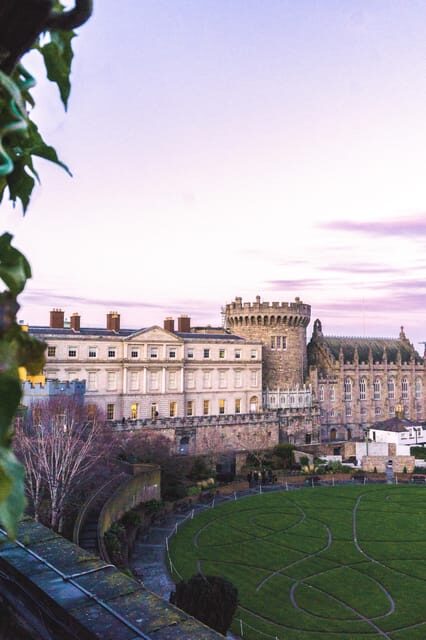
The tour begins at Bernardo Square, starting in the area of The Small Square next to City Hall. That’s a good setup, because you’re not hunting for a far-flung meeting point before sunset. You also end back at the meeting point, so you don’t get dumped into the wrong part of town at night.
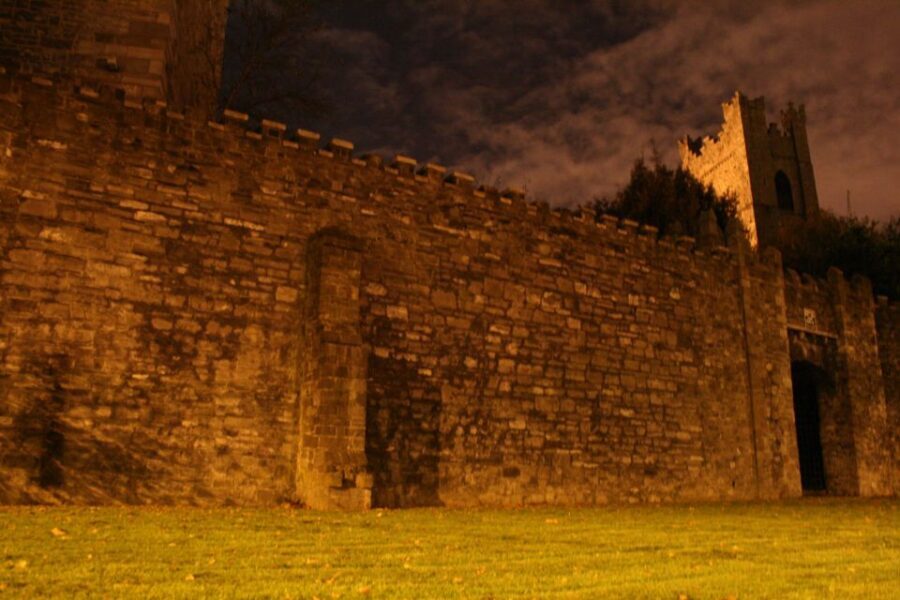
This is a walking tour, and the streets are the point. You’ll cover cobblestoned lanes and the kind of narrow streets that make Dublin feel older the closer you get to the old core. Several parts of the walk are described as alleyways and churchyards in spirit, which matters because Dublin’s legends often stick to specific corners, not just broad neighborhoods.
For planning: budget about 1.5 hours, but keep a little flexibility. A couple of people noted the tour can run over, and on a cold night that can matter. If you’re the type who hates being rushed, arrive a few minutes early, so you’re not standing out in the cold while the group gathers.
You can also read our reviews of more walking tours in Dublin



PSI Ireland and the way the stories are framed
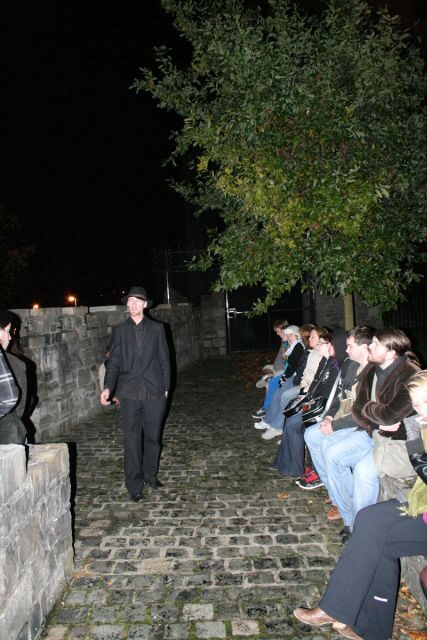
The big differentiator here is the guide connection to PSI Ireland (Paranomal Study and Investigation). That doesn’t mean the tour is pretending to be a lab. It means the narration tends to sound organized: it moves through dates, contexts, and names, and it tries to explain why a legend might have taken hold.
What I like about that approach is that it makes the haunted material feel less like random horror movie talk. You’re getting a guided explanation of how Dublin built its supernatural reputation over time. One key theme is that the city’s folklore reflects layers of human culture, from Celtic roots to later Protestant-era influence. So when a story turns grim, you also get the social backdrop that made the rumor believable in its day.
You’ll also hear guides weave in references to modern characters in a way that helps the older stuff land. That’s useful if you want the stories to feel fun and understandable, not like you’re trapped in a lecture.
Darkey The Witch Kelly: an 18th-century story told with bite
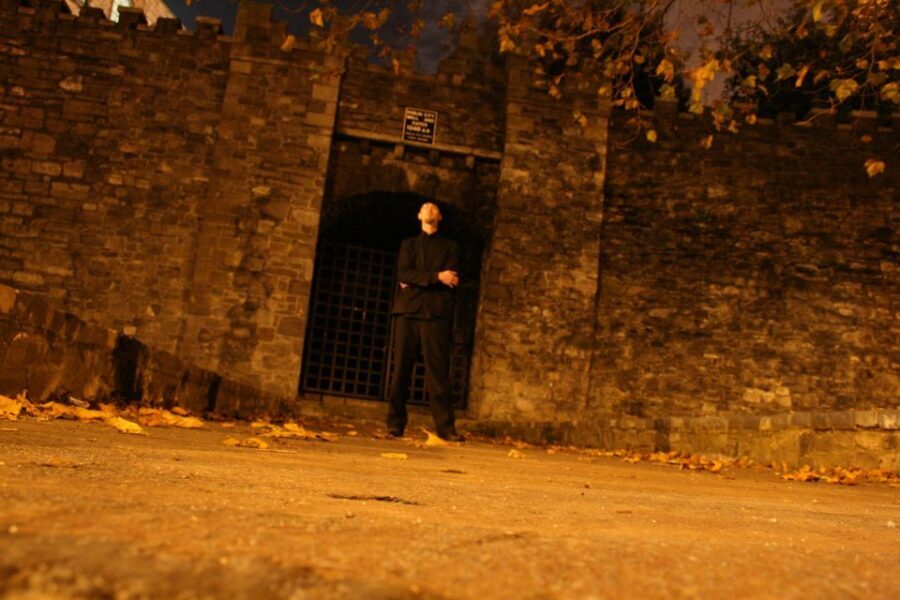
One of the tour’s headline tales is the burning of 18th-century madam Darkey The Witch Kelly. This is the kind of story Dublin does well: it’s specific, grim, and tied to a real fear people had at the time.
On this walk, the way it’s presented matters. The narration doesn’t treat the tale as a cheap shock. Instead, it gives you enough context to understand how witch accusations worked in practice, and why public punishment became a kind of theater. That’s part of what makes the tour more than just ghost chatter.
If you’re sensitive to gruesome history, consider your comfort level. The tour is described as suitable for all ages, but some stories still get dark. You’ll want to keep that in mind if you’re bringing younger kids or if you personally prefer lighter folklore.
St Audoen’s Green Lady: legend with a real sense of place
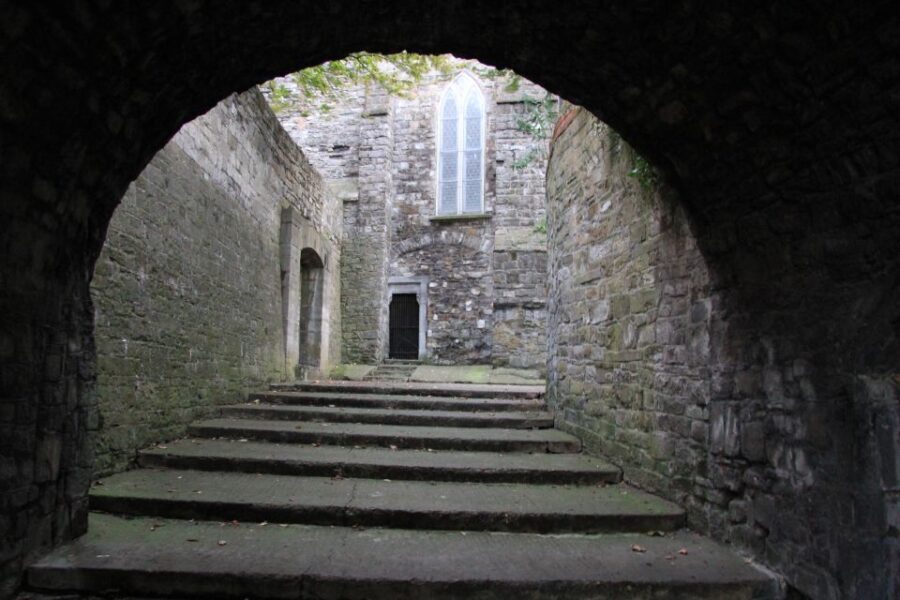
Another standout is the tragic tale of the Green Lady of St. Audoen’s. This is the kind of story that benefits from a walking format, because you can’t fully separate the ghost from the street-level setting.
The Green Lady tale gives you a different flavor than the courtroom-and-punishment stories. It leans more toward lingering grief and the idea that certain places hold memories. As you move through the older parts of the city, the story fits the mood better than it would on a bus or in a museum.
What you’ll take away is not just a ghost name. You’ll understand why people return to certain legends year after year. Dublin’s folklore, from what the tour emphasizes, is built on repeating patterns: fear, faith, and local identity.
Dublin’s Hell and the Hellfire Club origin story
The tour also explains how Dublin’s Hell got its name, plus the mysterious 18th-century Hellfire Club and its dark origins. This is a great stop for anyone who likes history that feels slightly scandalous.
Why this part is valuable is simple: it shows how Dublin didn’t just collect ghost stories. It also generated stories about secret societies, taboo behavior, and the kind of clubby darkness that thrives in candlelit rumor. If you’ve ever wondered how “Hell” became a nickname in the first place, this is where the tour starts making the city’s word choices feel intentional.
The Hellfire Club part is especially interesting for adults because it connects atmosphere to a real historical period. You’re not only hearing that something was spooky. You’re learning that the reputation was built by people living in an era of sharp social boundaries.
You can also read our reviews of more historical tours in Dublin




The Dolocher period: street fear with a timeline
You’ll also hear about the period in which The Dolocher stalked the streets. This adds a different type of haunted vibe. Instead of one location holding a spirit forever, you get the sense of a time when people felt threatened in everyday life.
That matters because city legends often grow out of uncertainty. When a community has fear, it searches for a shape to put that fear into. A named figure makes the story easier to repeat, easier to remember, and easier to pass down.
As you walk, the story works best when you let the timeline do its job. You hear when the fear happened, why it caught on, and how it became part of Dublin’s ongoing identity.
Cobblestones, alleyways, and churchyards: what the walk itself feels like
Let’s talk about the physical experience, because it’s part of the magic. You’re walking on cobblestoned streets, through narrow lanes, and around areas that give you that churchyard-adjacent atmosphere. It’s not just scenic. It’s practical to the storytelling, because those features force the pace and create natural “pause points” where a story can land.
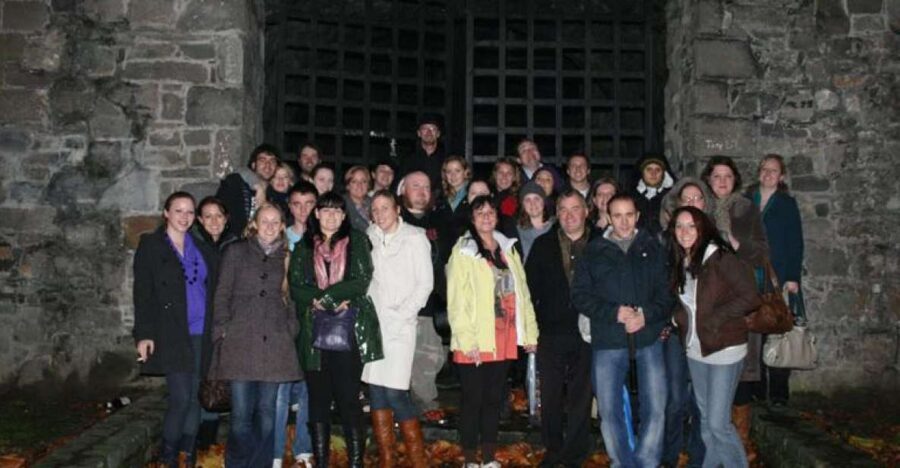
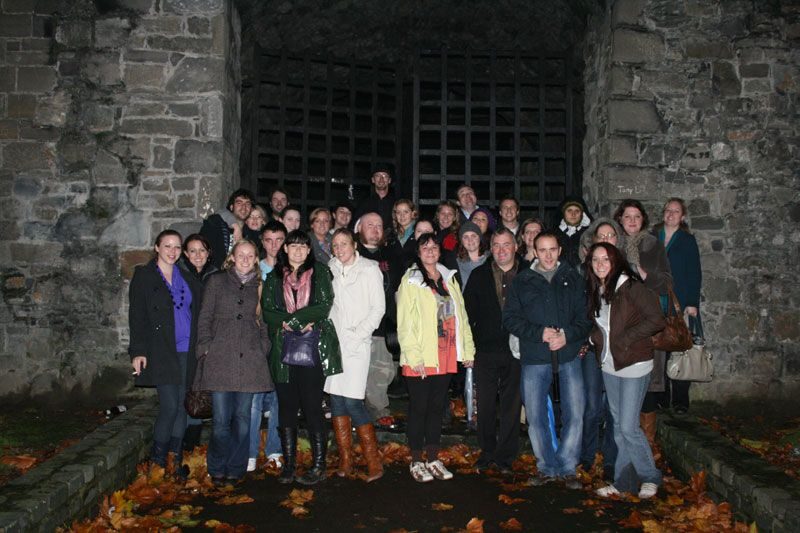
The tour is described as moving along at a good pace. Small-group energy shows up in how people experience it, with one person noting the group size helped enjoyment and made questions easier. That’s a plus if you don’t like being stuck in a big line while someone talks at you.
A quick note on audio: one review mentioned that a microphone would help. So if you’re at the back of the group, you might want to choose a spot closer to the guide when you can. Even without a formal mic setup, the narration style seems to stay engaging, but audio clarity can change on windy street corners.
Finally: wear comfortable shoes. The tour is short, but cobbles don’t forgive bad footwear. If it’s cold out, you’ll feel it during the walk, even if you’re wrapped up in layers.
When the tour runs long (and how to plan your night)
The tour generally runs 1.5 hours, but you should plan your evening with a little buffer. One person pointed out the tour went about 30 minutes longer due to cold weather, and that’s a classic scenario with night walking tours. People get impatient, then the guide pushes a few last stops, then the clock wins.
So here’s my practical advice: schedule dinner or your next activity with some flexibility. If you’ve got a hard reservation time, consider eating earlier, then doing the tour as a post-dinner walk instead of a pre-event sprint.
Also, dress for the outdoors. Dublin nights can be chilly fast, and it’s the kind of cold that makes your mind wander. You want your focus on the stories.
Who this Dublin haunted history walk suits best
This tour is described as suitable for all ages, and that’s true in the sense that it’s presented as a fun, story-driven experience. It can still get gruesome at moments, so it’s smarter to treat it as “spooky history” rather than pure bedtime fright.
It’s a good pick if you:
- like history that reads like a thriller, with names and dates
- enjoy ghost legends but want context
- want a short evening activity that doesn’t require museum patience
It’s also a nice choice for families and mixed-age groups. One review specifically called out teenagers staying engaged, and another noted the guide helped a grandmother enjoy the experience. That suggests the format works across ages when the group is open to darker themes.
If you’re looking for a tour that’s mainly about evidence, equipment, or structured paranormal investigation, you might find this is more story-and-place than lab work. Still, the PSI Ireland connection means the guides bring seriousness to the telling.
Price and value: is $31 worth it?
At $31 per person for a 1.5-hour guided walk, you’re paying for three things: a themed route, a live guide, and a story style that tries to keep you engaged through multiple stops. For Dublin, that price lands in the “reasonable evening activity” zone, especially because you’re not just getting one legend. You’re hearing a set of linked stories: witch accusations, spectral folklore, secret-society darkness, and street-level fear.
The value also comes from the guide quality people consistently highlight. Names like Darragh, Finn, Dara, Darren, Kate, and Lydia come up in a way that signals consistent performance and good pacing. When guides can hold attention in a cold outdoor setting for about 90 minutes, that’s not a small thing.
Is it the best value if you want a long, in-depth academic history lecture? Probably not. But if you want a memorable Dublin night with tight storytelling and a route that helps the legends feel real, it’s a fair deal.
Should you book Hidden Dublin Walks Haunted History?
If you want Dublin after dark with actual stories attached to real places, I think this tour is worth your time. It’s short, easy to fit into an evening, and guided by people with a PSI Ireland connection who bring structure to the spooky material.
Book it if you like: 18th-century characters, grim legends that come with context, and a walk that keeps moving without dragging. Skip it if you strongly prefer clean, family-friendly ghost tales with no grim history.
Either way, go in with the right expectation: this is haunted history on foot, not a séance. Dress warm, bring sturdy shoes, and let Dublin’s older corners do what they do.
FAQ
How long is Dublin’s Haunted History Walking Tour?
The tour lasts 1.5 hours.
What does it cost?
It’s priced at $31 per person.
Where do I meet for the tour?
Meet at Bernardo Square (described as The Small Square next to City Hall).
What language is the guide?
The live tour guide speaks English.
Is the tour suitable for kids?
It’s described as a walk suitable for all ages.
Can I cancel for a refund, and can I pay later?
Free cancellation is available up to 24 hours in advance for a full refund, and you can reserve now and pay later.