REVIEW · DUBLIN
The Dublin True Crime Tour
Book on Viator →Operated by Alternative Dublin · Bookable on Viator
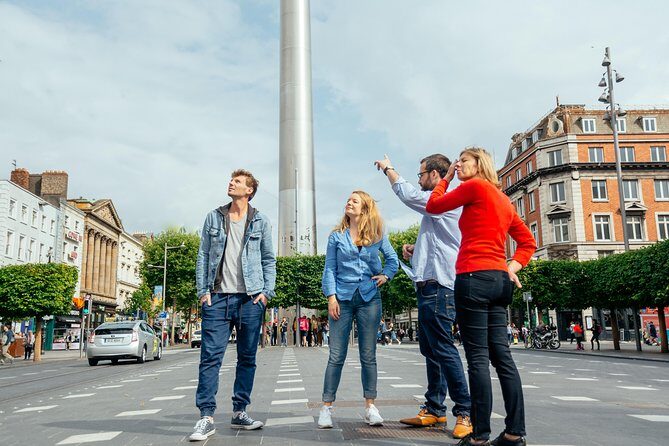
Dublin turns dark at 4 p.m. This true crime walking tour links major Dublin landmarks with real cases, odd characters, and the way justice (and luck) played out in the city. I also love the small group size capped at 19, which makes it easier to ask questions and actually hear the stories clearly.
I like how the route is built for time efficiency: six stops, each focused on a different kind of crime and consequence. You get free-entry stops at all the listed landmarks, so you’re not paying extra once you’re on the walk.
One possible drawback: the tour’s punch is the storytelling style, and if you’re hoping for a very specific era of crime (like only Victorian poisonings), you may need to set your expectations before you go. Also, any walking tour depends on good weather, so plan for rain gear even in shoulder season.
In This Review
- Key Highlights You’ll Really Feel
- Why Dublin’s True Crime Works Especially Well on Foot
- Price and Logistics: Is $16.90 a Good Deal?
- Your Route: 6 Stops That Map Dublin’s Dark Side
- Stop-by-Stop: What You’ll Hear at Each Landmark
- Bank of Ireland: The Big Hesit and the Tiger Kidnapping Theme
- Trinity College Dublin: Old Murders and Punishment
- Molly Malone Statue: Graverobbers and Courtesans
- Dublin Castle: Crown Jewels Heist and What Punishment Looked Like
- Dubh Linn Gardens: Veronica Guerin Memorial and a Chester Beatty Angle
- Christ Church Cathedral: St. Lawrence’s Ear and Postmortem Adventures
- The Guide, Storytelling Style, and Pacing
- What to Expect From the Walking Experience
- Who Should Book This Tour (and Who Should Rethink)
- Should You Book the Dublin True Crime Tour?
- FAQ
- How much does the Dublin True Crime Tour cost?
- How long is the tour?
- Is the tour offered in English?
- How many people are in a group?
- Do I need to pay for entry tickets at the stops?
- Where do I meet the tour, and when does it start?
- Where does the tour end?
- What happens if the weather is poor?
Key Highlights You’ll Really Feel
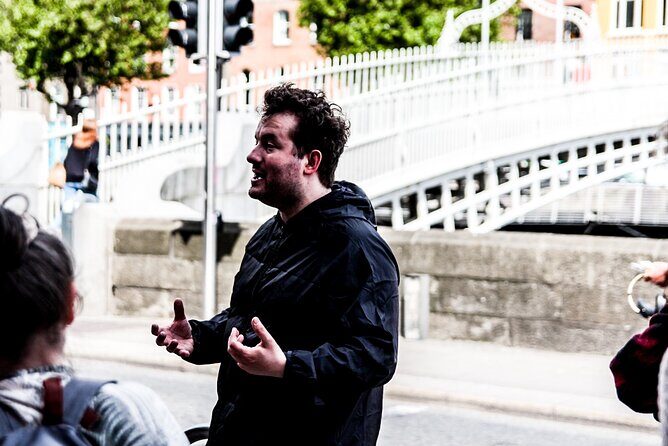
- Small group cap (19) that keeps the tour personal and question-friendly
- Six landmark stops that cover heists, murders, executions, relic lore, and modern memorials
- Free admission at every listed stop, which boosts value for the price
- A focused 2-hour format that’s easier than museum-style history hunts
- Veronica Guerin memorial stop for a strong modern connection to crime reporting
Why Dublin’s True Crime Works Especially Well on Foot
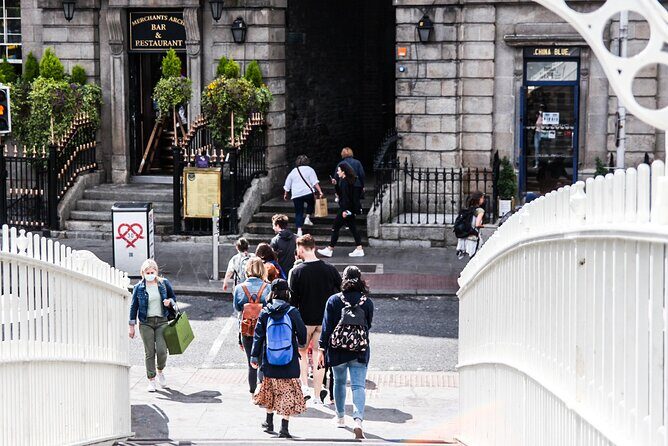
Dublin is compact, and this kind of tour uses that to your advantage. Instead of hopping in and out of transit, you move along streets where the landmarks still look like the centers of power they were meant to be.
The big win here is the storytelling “stack”: you hear about theft, punishment, and the people caught up in the mess, then you immediately see the building or monument the story is tied to. It’s a quick way to get your bearings fast and start noticing how Dublin’s institutional buildings shape the city’s mood.
Also, the time of day matters. A 4:00 pm start hits that sweet spot where daylight is fading a little, but you’re still not fully rushed into nighttime logistics. If you’re pairing this with dinner plans, it’s a clean, easy slot.
You can also read our reviews of more tours and experiences in Dublin.



Price and Logistics: Is $16.90 a Good Deal?
At $16.90 per person for about 2 hours, you’re paying for a guided walk plus multiple “free to stop and see” sites. That matters because true crime tours can get pricey when they add entrance fees, museum tickets, or timed entry requirements.
Here, every listed stop is marked admission ticket free. So your main costs are basically the tour price and whatever you choose to do after. It’s one of those experiences where you feel like the money goes into the guide’s time and the pacing, not into paying for access.
You also get a mobile ticket, which saves you from printing and reduces hassle if you’re already juggling Dublin walking time and transit.
One other practical thing: with max 19 travelers, the tour is set up to work like a conversation, not a lecture. That tends to improve the listening experience—especially on a walking route where you can’t always see everything at once.
Your Route: 6 Stops That Map Dublin’s Dark Side

This tour is a straight-line walking experience with a clear start and end. It starts at 1 College Green (Temple Bar area), Dublin, D02 YT92 and ends at St Audoen’s Catholic Church, High St, Merchants Quay. That end point is helpful if you want to keep wandering afterward without backtracking too much.
The stops are short at most landmarks, which keeps momentum high. You’ll be stopping, listening, looking, and moving on—so come ready to stand for a bit and take notes if you like.
You’ll also likely cover several neighborhoods and key city landmarks in one go. That’s a big reason this works well for first-timers: you get story-driven context without needing to plan multiple separate visits.
Stop-by-Stop: What You’ll Hear at Each Landmark
Bank of Ireland: The Big Hesit and the Tiger Kidnapping Theme
Your first stop is the Bank of Ireland, where the story swings into high-stakes crime: the tour points to Ireland’s biggest hesist and the tiger kidnapping. Even if you’re not a hard-core crime-history person, this opener is smart because it sets the tone fast—bank power, public attention, and scandal right at a major financial landmark.
What I’d expect you to take away: a feel for how crime can be tied to institutions that seem untouchable. Even the idea of a kidnapping gets anchored to Dublin’s real-world geography, not just vague newspaper headlines.
Drawback to keep in mind: since this is only a short stop, you won’t get a slow, detailed “case file” format. It’s more of a gripping narrative snapshot than a documentary.






Trinity College Dublin: Old Murders and Punishment
Next up is Trinity College Dublin. Here you’re getting old murders connected to the college and how the murderers were punished. A university setting is a strong choice for a true crime tour because it adds tension: knowledge, learning, and prestige placed next to the uglier reality of crime and consequences.
This stop is valuable if you like your history to have accountability. The tour doesn’t just tell you what happened—it also points toward how the system responded.
Molly Malone Statue: Graverobbers and Courtesans
At the Molly Malone statue, the tone shifts into 18th-century Dublin with stories tied to graverobbers and courtesans. This is a great pivot because it shows that crime in Dublin wasn’t only dramatic violence; it also included the darker parts of the care and commerce around medicine, bodies, and social survival.
You’ll probably enjoy this stop if you like a mix of respectability and taboo. The statue is familiar-looking and photogenic, but the story isn’t sweet—it’s gritty.
Dublin Castle: Crown Jewels Heist and What Punishment Looked Like
Then you’re at Dublin Castle, where the focus is the Irish Crown Jewels Heist and the kinds of punishment tied to offenses like these. Castle stories work because the building itself screams authority. When crime collides with a place like that, the social stakes feel immediate.
If you’re the type who likes cause-and-effect, this stop is designed for you. It frames crime as a challenge to power—and punishment as power trying to restore control.
Dubh Linn Gardens: Veronica Guerin Memorial and a Chester Beatty Angle
At Dubh Linn Gardens, you get two different flavors in one place. First, there’s the Veronica Guerin memorial, which brings the theme of crime closer to modern public life through the story of an Irish crime reporter. Then you also hear about a “sneaky curator” connected to the Chester Beatty.
This stop can be a morale reset in the best way. It keeps the tour from feeling stuck in only distant centuries. You get a crime story tied to journalism, memory, and a public legacy—not just old-time punishment.
Christ Church Cathedral: St. Lawrence’s Ear and Postmortem Adventures
Your final stop is Christ Church Cathedral, where the tour discusses the Hear of St. Lawrence and postmortem adventures. Relic stories can sound odd on paper, but they fit true crime surprisingly well: the “crime” here is about what happens after death—how relics are handled, protected, and argued over.
This is a good ending choice because it leaves you with an unexpected twist. You finish with the sense that crime and obsession can follow people beyond life.
The Guide, Storytelling Style, and Pacing
This tour is built around a guided walking format where the guide’s ability to keep the story coherent is the whole show. When it clicks, the experience feels personal: the small group makes it easier for the guide to connect with you, not just talk at you while you walk.
The pacing is also designed to keep you engaged. Most stops are short, so you don’t drift into “I’ve heard this before” territory. Instead, you get quick hooks at each site and move on while the story energy stays high.
That said, there’s one practical caution. Some people found the tour less smooth if the guide was distracted or unwell. So if you’re someone who needs perfect clarity and nonstop narration, bring patience—and if you’re feeling rushed, consider that this is a walk, not a sit-down class.
What to Expect From the Walking Experience
Because it’s a walking tour, you’ll want to treat it like one: comfortable shoes matter. You’ll be moving between landmarks and stopping for brief story moments. Even if the tour is “only” about 2 hours, your feet will still clock real time.
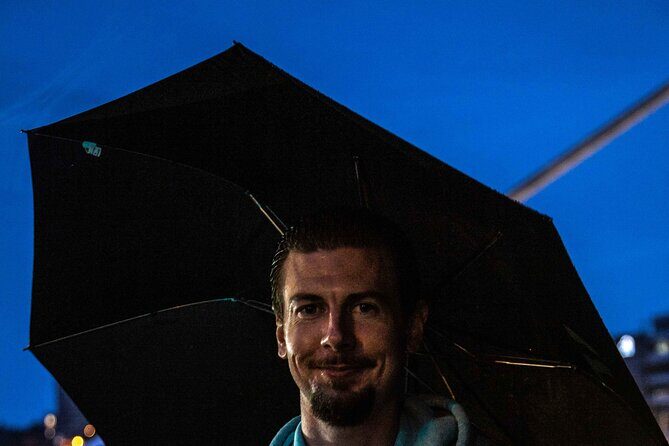
Also, it’s weather-dependent. The experience requires good weather, and if it’s canceled due to poor weather, you’ll be offered a different date or a full refund. In practice, that means you should bring a light rain layer even if the forecast looks fine early in the day.
Finally, the tour allows service animals, and it’s marketed as something most travelers can participate. If you’re sensitive to uneven pavement or long standing moments, it’s still worth planning your route around breaks elsewhere before and after.
Who Should Book This Tour (and Who Should Rethink)
Book it if:
- You want a short, story-driven Dublin experience without committing to a full-day museum plan
- You’re a true crime fan who likes the mix of heists, murders, and punishment
- You enjoy history when it’s tied to specific buildings, not just dates in a textbook
Consider a different option if:
- You only want one narrow slice of crime history and feel strongly about specific eras
- You need highly structured, super-technical storytelling more than narrative pace
- You’re likely to get frustrated by brief stops that don’t go deep on every detail
Should You Book the Dublin True Crime Tour?
If you want an efficient, darker-flavored introduction to Dublin, I’d say yes. With a 4.9 overall rating and 96% recommended, this is one of those niche tours that consistently lands for people who like stories more than sightseeing checklists.
At $16.90 with free admission at each stop, it’s also hard to argue with the value. You’re paying for guidance and narrative structure, and the route is built around recognizable landmarks you can keep using as reference points after the tour ends.
My final advice: go in ready for a gripping walk, not a slow archive session. If you like connecting crime stories to real places—Bank of Ireland, Trinity, Dublin Castle, and all the rest—this tour is a fun, memorable way to see Dublin with your eyes switched to the “crime story” setting.
FAQ
How much does the Dublin True Crime Tour cost?
It costs $16.90 per person.
How long is the tour?
The tour lasts about 2 hours.
Is the tour offered in English?
Yes, it’s offered in English.
How many people are in a group?
The tour has a maximum of 19 travelers.
Do I need to pay for entry tickets at the stops?
All the listed stops are marked admission ticket free.
Where do I meet the tour, and when does it start?
The tour starts at 1 College Green, Temple Bar area (D02 YT92), Dublin, at 4:00 pm.
Where does the tour end?
It ends at St Audoen’s Catholic Church, High St, Merchants Quay, Dublin.
What happens if the weather is poor?
The tour requires good weather. If it’s canceled due to poor weather, you’ll be offered a different date or a full refund.