REVIEW · DUBLIN
Historical 2-Hour Guided Walking Tour of Dublin
Book on GetYourGuide →Operated by Historical Walking Tours of Dublin · Bookable on GetYourGuide
Dublin history moves fast on foot. This 2-hour walking tour strings together big turning points—revolutions, the Potato Famine, the 1916 Rising, and the War of Independence—while you actually walk through the city’s key sights. I love that the guides are history graduates of Trinity College Dublin and University College Dublin, and I love the way the storytelling lands with humor and real question time (a theme from guides like Jodie, Colm, and Daragh).
One thing to consider: it’s a lot to pack into two hours, so you’ll want good walking shoes and some patience for the facts-and-dates rhythm.
In This Review
- Key Highlights You’ll Feel on This Walk
- Entering Dublin’s Story in Just Two Hours
- Meet at Trinity College and Get Oriented Fast
- Dublin Castle: More Than Postcards
- Temple Bar and City Hall: Civic Dublin in Real Life
- Roaming the Medieval City: Where the Timeline Gets Physical
- Revolution, Famine, 1916, and Independence: The Stops That Tell a Sequence
- Northern Ireland’s Peace Process and Modern Dublin on the Same Route
- The Guides: Humor, Performance, and Real Q&A
- Price and Value: What $22 Really Buys You
- Who Should Book This Tour (and Who Might Want Something Else)
- Should You Book It?
- FAQ
- How long is the Historical 2-Hour Guided Walking Tour of Dublin?
- What does the tour cost?
- Where do I meet the guide?
- Where does the tour end?
- Is the tour wheelchair accessible?
- What language is the tour in?
- What’s included in the price?
- What’s not included?
- Is free cancellation available?
Key Highlights You’ll Feel on This Walk
- Trinity College Dublin and University College Dublin trained guides who know how to teach without sounding like a lecture
- Dublin Castle, Temple Bar, City Hall, and the Medieval City in a tight route you can actually finish
- Stories across centuries: from early Ireland context through modern political change
- Modern links to the Northern Ireland Peace Process so the history doesn’t stop in the past
- Wit, humor, and memorable moments—some guides even bring performance energy, like actor-style storytelling
- Award-winning format built for “learn and enjoy” in one go
Entering Dublin’s Story in Just Two Hours
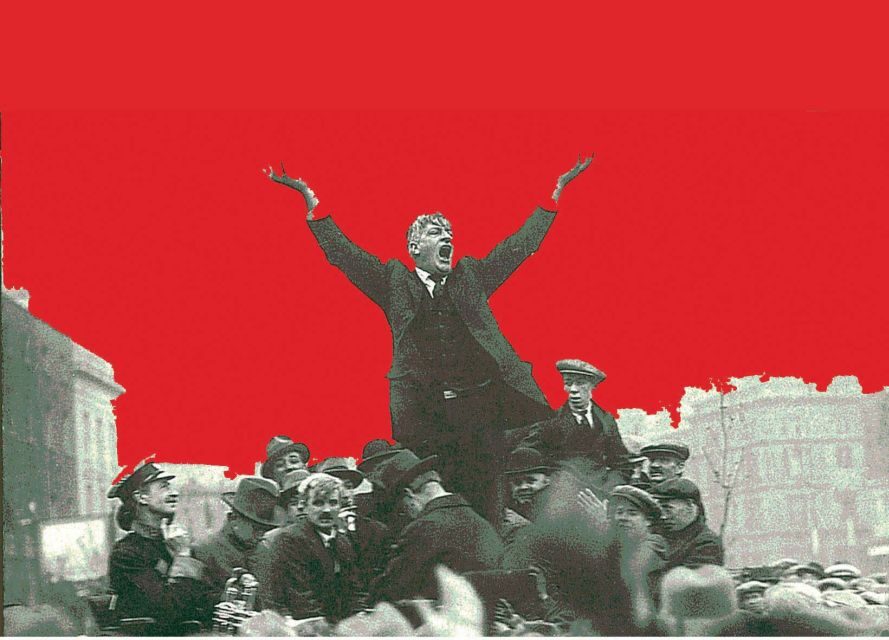
This tour is designed for people who want Dublin’s history without spending the whole day in museums. In two hours, you’ll hit the names and places that show how Ireland has been shaped by outside influences, internal conflict, and long political change.
What makes it work is the structure: the guide doesn’t just point at buildings. They connect events—American and French revolutions, the Potato Famine, the 1916 Rising, and the War of Independence—back to what you’re standing near. That turns a walk into a timeline you can repeat later when you’re reading signs or planning the rest of your trip.
It’s also a real “city-on-your-feet” experience. Instead of being trapped indoors, you get a mix of landmark stops and short roaming segments through the Medieval City area, which helps you understand how old Dublin fits inside the modern streets you’ll keep seeing after the tour ends.
You can also read our reviews of more walking tours in Dublin



Meet at Trinity College and Get Oriented Fast
Your start point is easy to locate: meet your guide at the Henry Grattan Statue, opposite the front gate of Trinity College, Dublin. Your guide will be wearing a lanyard or badge that says Authenticity Tours, so you shouldn’t have to play guessing games once you’re there.
This matters more than it sounds. Trinity College is one of those places where Dublin’s identity is practically written into the stone. Starting here gives the tour instant credibility, and it also sets up your first few stops with context before you head toward the older government and civic spaces.
If you’re the type who likes to know where you are before you walk into crowds, this is a big plus. You’ll also end back at the meeting point, so you’re not left stranded in the middle of town with no plan.
Dublin Castle: More Than Postcards
When you hear Dublin Castle, you might think of a photo spot. On this tour, it becomes something else: a practical way to understand power, administration, and political history.
You’ll see Dublin Castle as part of the guided route, with the story shaped around how Ireland’s national narrative ties back to seats of authority and governance. The tour includes entrance fees as per the itinerary, but there’s one clear exception you should note: entrance into the State Apartments in Dublin Castle is not included.
So, use the tour for perspective. If you’re specifically hoping to see those State Apartments, plan a separate ticket or another stop later. The tour still gives you what you need to appreciate the site, but it doesn’t promise every room.
One practical tip: if you’re sensitive to standing and walking in busy city areas, pace yourself at the castle area. You’ll likely be stopping for explanations and photos, and two hours goes quickly once you start layering in history.
Temple Bar and City Hall: Civic Dublin in Real Life
Next you’ll move into central Dublin highlights, including Temple Bar and City Hall. These stops are a good reminder that history isn’t only about “old ruins” or distant eras. You can connect big historical shifts to the civic and cultural identity visible on street level.
Temple Bar is often treated like a nightlife landmark, but here it’s presented as part of the city’s larger story. City Hall works as a contrast point: you’ll see how civic spaces fit into the narrative arc, not just as architecture but as symbols of how society organized itself over time.
One reason I like this pairing is that it helps you read Dublin like a map. After this tour, you’re more likely to notice how neighborhoods and institutions relate to each other, rather than treating the city as a series of separate attractions.
Roaming the Medieval City: Where the Timeline Gets Physical
The tour includes a walk through the Medieval City, which is where the experience shifts from “stop-and-go landmark viewing” to “feel the age of the streets.” Even when you’re not looking at ancient buildings head-on, the area helps you understand that Dublin’s history is still embedded in the city layout.
This is also where the guide’s storytelling style really matters. Several guides in the same role are praised for uncovering small, specific details that make the past feel present—like pointing out unexpected bits of historical evidence and minor “hidden” clues in the urban fabric (including mentions like bullet holes as part of the darker history you might see referenced).
A note for expectations: the medieval segment isn’t described as a long wandering hike. It’s still a guided walk built around quick explanations and purposeful pacing, fitting the two-hour timeframe. In other words, you’ll get the flavor of the medieval streets without needing a full day.
You can also read our reviews of more guided tours in Dublin






Revolution, Famine, 1916, and Independence: The Stops That Tell a Sequence
The backbone of the tour is the way it links major events into a coherent chain. You’ll hear about the influence of the American and French revolutions, the Potato Famine, the 1916 Rising, and the War of Independence.
The payoff here is structure. One common challenge with Irish history is that it can feel complicated and fragmented if you only read summaries. This tour is built to help you hold the sequence in your head, because the guide keeps tying each era to what you’re seeing in front of you.
You’ll also notice how the tour blends larger political events with human-scale storytelling. Guides with names like Colm, Daragh, Eoin, and Grace are praised for making facts feel organized and memorable—plus for handling questions without shutting people down. That matters if you’re the curious type and like to ask how one era connects to another.
A realistic consideration: the tour covers a lot, and that means you may hear plenty of dates and key facts. Some people might prefer fewer details, but the general feedback is that it stays entertaining rather than becoming a pure lecture.
Northern Ireland’s Peace Process and Modern Dublin on the Same Route
What I appreciate about this tour is that it doesn’t treat Irish history as finished. It includes the effects of the Northern Ireland Peace Process, bringing modern context into the walk while you’re still in the heart of Dublin.
That modern thread helps if you’re traveling beyond Dublin and you want to understand why contemporary Ireland (including political discussions you might hear in conversation) isn’t random chatter. It’s connected to a long, messy story—and the guide gives you a framework so you can follow along without getting lost.
You’ll also walk through modern-day Dublin during the route. This is where the experience turns into something practical: you’ll leave with a stronger sense of what you’re seeing now, not just what happened long ago.
The Guides: Humor, Performance, and Real Q&A
This is one of the strongest reasons to book. The tour is repeatedly praised for guides who are not only well trained but also genuinely engaging—people like Jodie, Colm, Daragh, Eoin, and Jody Fitzpatrick show up in reviews with the same pattern: organized storytelling, friendliness, and humor.
Some guides bring performance energy. For example, Jody Fitzpatrick is described as having actor talent and using lively delivery to make history feel alive. Another guide is noted for singing verses linked to the events being discussed, and that kind of creativity can turn a dense timeline into something you remember later.
Even better, the Q&A tone seems relaxed. Guides are described as taking questions with ease and answering without rushing. So if you want to ask about how events connect or how to approach Ireland as a whole, you’re not likely to get brushed off.
One small practical note from the experience: English helps. If English isn’t your strongest language, you might find the pace challenging—though several comments highlight that the guide voice is clear even in a loud city.
Price and Value: What $22 Really Buys You
At $22 per person for a two-hour guided walk, this is the kind of value ticket that can anchor your whole trip. You’re not paying for one monument. You’re paying for someone to connect several central sites into a learning experience you can carry into the rest of your days in Ireland.
What you get for the price:
- A route through Dublin’s core landmarks (including Dublin Castle, Temple Bar, and City Hall)
- A guided narrative that covers multiple major historical eras
- Local guidance with entrance fees included as per the itinerary
What costs extra:
- Entrance into the State Apartments in Dublin Castle (not included)
- Personal expenses
This means the tour is best for people who want context quickly. If you’re the kind of traveler who loves reading plaques and researching on your own, you might still enjoy it—but you’d probably want more time or more stops. For most people, two hours with a good guide is a fast, efficient way to get oriented.
Who Should Book This Tour (and Who Might Want Something Else)
I’d point you toward this tour if you:
- Want an easy first grab of Dublin’s story with less effort than self-guided research
- Like history with humor and forward momentum
- Prefer walking and stopping often over sitting in one place
- Want a chronological thread you can use later when you travel around Ireland
You might consider a different option if:
- You’re very sensitive to lots of facts and dates in a short time window
- You want a deeper dive into the castle interiors, especially the State Apartments
Also, bring comfortable footwear. Several comments emphasize the walking time, and two hours can feel longer when you’re stopping and starting through crowded streets.
Should You Book It?
Yes—if you want Dublin’s history tied to real streets in a tight timeframe, this tour is a strong match. The guides bring a rare mix: trained background, clear storytelling, and enough wit to keep the pace lively even when the topics turn heavy.
If you’re the type who plans ahead for specific interiors, remember the State Apartments in Dublin Castle aren’t included, so you may want to add that separately. But as an introduction to how Dublin and Ireland connect across revolutions, famine, the 1916 Rising, the War of Independence, and the Northern Ireland Peace Process, it’s hard to beat for time and money.
FAQ
How long is the Historical 2-Hour Guided Walking Tour of Dublin?
The tour lasts 2 hours.
What does the tour cost?
The price is $22 per person.
Where do I meet the guide?
Meet at the Henry Grattan Statue opposite the front gate of Trinity College, Dublin. Your guide will be wearing an Authenticity Tours lanyard or badge.
Where does the tour end?
The tour ends back at the meeting point (Henry Grattan Statue opposite Trinity College).
Is the tour wheelchair accessible?
Yes, it’s listed as wheelchair accessible.
What language is the tour in?
The tour is in English.
What’s included in the price?
Entrance fees as per the itinerary and a local guide are included.
What’s not included?
Entrance into the State Apartments in Dublin Castle is not included, and personal expenses are also not included.
Is free cancellation available?
Yes. You can cancel up to 24 hours in advance for a full refund.