REVIEW · DUBLIN
From Dublin: Belfast, Monasterboice & Birthplace of Titanic
Book on GetYourGuide →Operated by Paddywagon Tours · Bookable on GetYourGuide
Titanic starts in Belfast, not a book. This full-day coach trip is interesting for how quickly it changes gears—from Belfast’s big-city architecture to the calm stone artistry of Monasterboice. I especially like two things: the chance to see Belfast’s Victorian streets with orientation that actually helps, and the walk through Monasterboice to stare up at Muiredach’s High Cross and its biblical carvings. One drawback to plan for: the day runs on a tight schedule, so you’ll want to be at your meeting point early and ready to move.
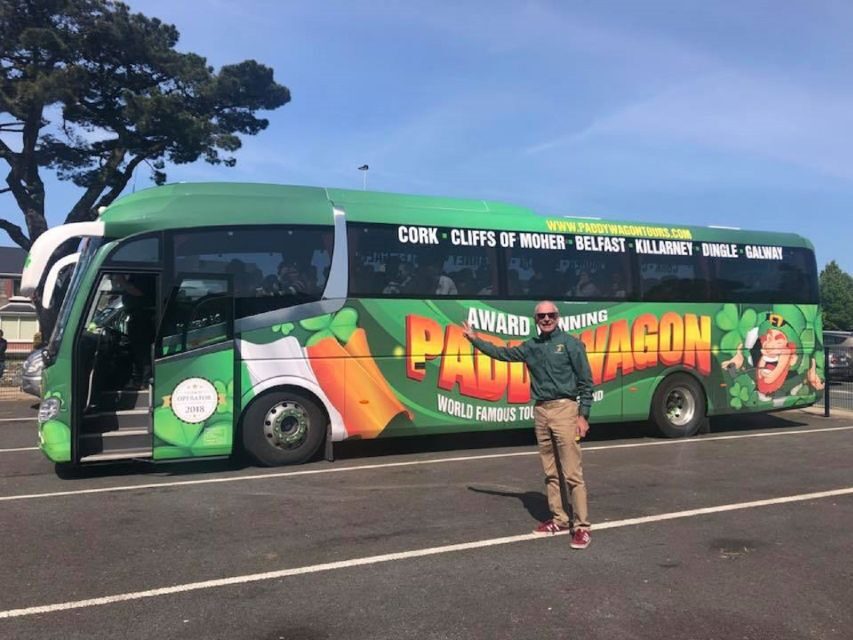
You’ll travel with Paddywagon Tours in a group, with a live English-speaking guide. The approach is very human: you’ll hear about everyday customs across the Ulster Irish and Ulster British communities, and you’ll get context for the city beyond the headlines. There’s even an optional black cab tour in the city center if you want a more direct, story-driven look at Belfast’s sights.
On the Monasterboice side, the focus is archaeological and spiritual—two medieval churches, a round tower, and world-class Celtic crosses (with included entrance for the churches). The only obvious “bring your own” part: food and beverages aren’t included, and the walking is on uneven ground in outdoor ruins.
In This Review
- Key things to know before you go
- Getting from Dublin to Belfast: a real day trip, not a quick hop
- Belfast streets, Victorian buildings, and the city’s human context
- Titanic docks in Belfast: where the story becomes physical
- Monasterboice’s Celtic crosses: Muiredach’s High Cross and the biblical carvings
- Two medieval churches and the round tower: what you’ll actually notice
- Food, walking, and the practical stuff that can make or break the day
- So, is it good value for your one-day Dublin stop?
- Should you book the Belfast, Monasterboice & Titanic tour from Dublin?
- FAQ
- How long is the Belfast, Monasterboice & Titanic tour?
- What is included in the tour price?
- Do I get to see Muiredach’s High Cross?
- Is food and beverages included?
- What language is the guide?
- Is the tour wheelchair accessible?
Key things to know before you go
- Coach day from Dublin: a long day, but it’s built for people who want maximum big sights without planning trains and transfers
- Belfast orientation + architecture: you’ll get practical context fast, not just a photo stop
- Titanic docks focus: you’ll go to Belfast’s waterfront areas tied to the ship’s birthplace story
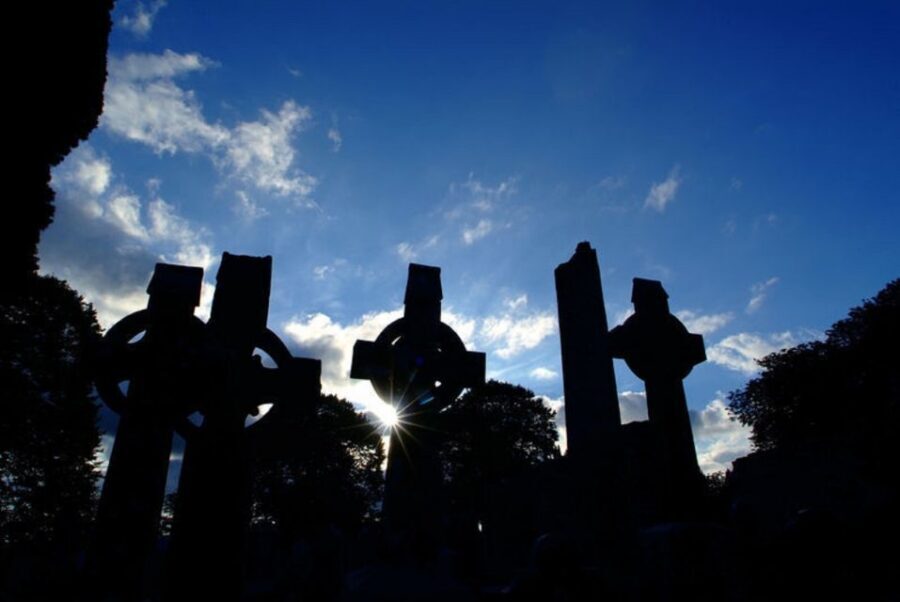
- Monasterboice’s Celtic crosses: especially Muiredach’s High Cross with biblical inscriptions
- Two church visits + round tower: early medieval Ireland in stone, including included entrance to the churches
- Schedule matters: be ready to move on time, especially around the dock/timeline moment
Getting from Dublin to Belfast: a real day trip, not a quick hop
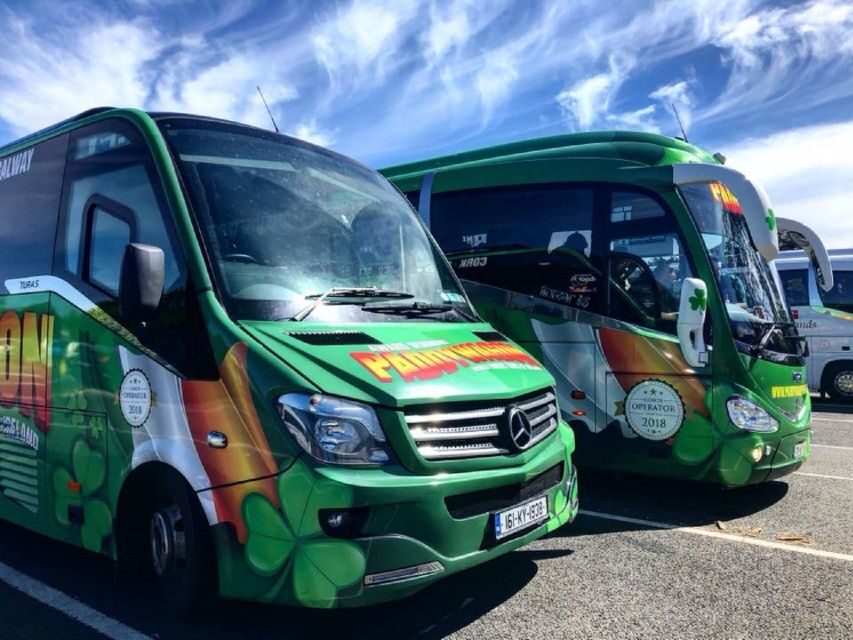
This is a full-day drive, so think in terms of comfort and stamina more than “short sightseeing.” The upside is simple: you get a planned route and transportation that lets you spend your energy on Belfast and Monasterboice instead of logistics.
I like that the day isn’t just about one landmark. You start with Belfast, where the city’s imposing Victorian architecture gives you something concrete to look at right away—brickwork, terraces, and that strong sense of place you can’t really fake with a quick stop. Then you head out to County Louth for Monasterboice, where the mood shifts hard: fewer people, more stone, and silence that makes the carvings easier to read.
The one consideration is pace. One person’s experience hinged on timing around the Titanic portion, and that’s the key takeaway for you too. If you’re the type who enjoys wandering slowly, build in the mindset that you’ll get some choices—but not unlimited freedom. Comfortable shoes are a must, because even the “easy” walking involves outdoor surfaces and stone paths.
You can also read our reviews of more tours and experiences in Dublin.



Belfast streets, Victorian buildings, and the city’s human context
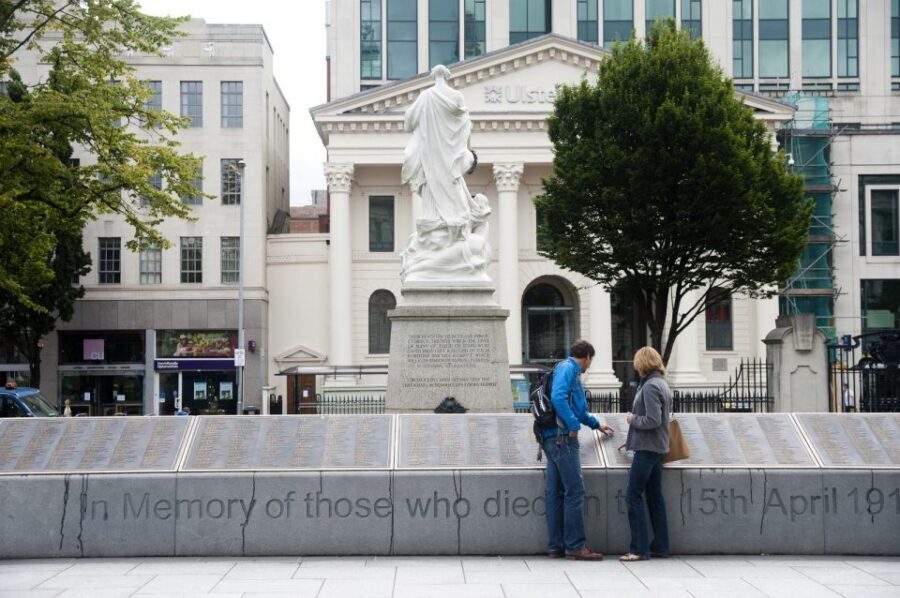
Belfast is often discussed through a political lens, but this trip aims at something more useful for visitors: everyday context and culture. Your guide will explain how the Ulster Irish and Ulster British communities live and how that shapes the city. You’ll hear stories from locals and meet colorful characters along the way, not in a contrived way, but in the way a good guide turns a place into understanding.
I like how Belfast orientation is handled. Instead of dumping you in a central area and hoping you’ll find the main sights, you get direction and a sense of what matters—so your photos and walking feel purposeful. If you want a more in-depth look at the city center, there’s an optional black cab tour, which can be a nice add-on when you want the stories delivered in real time.
One thing to watch: some guides use humor or tough talk when explaining history and local tensions. That can feel fine—or off—depending on your taste. If you’re sensitive to awkward jokes, I’d treat that as a “heads up,” not a deal breaker. The main value here is structure: you’ll come away understanding what you’re seeing, not just collecting viewpoints.
Titanic docks in Belfast: where the story becomes physical
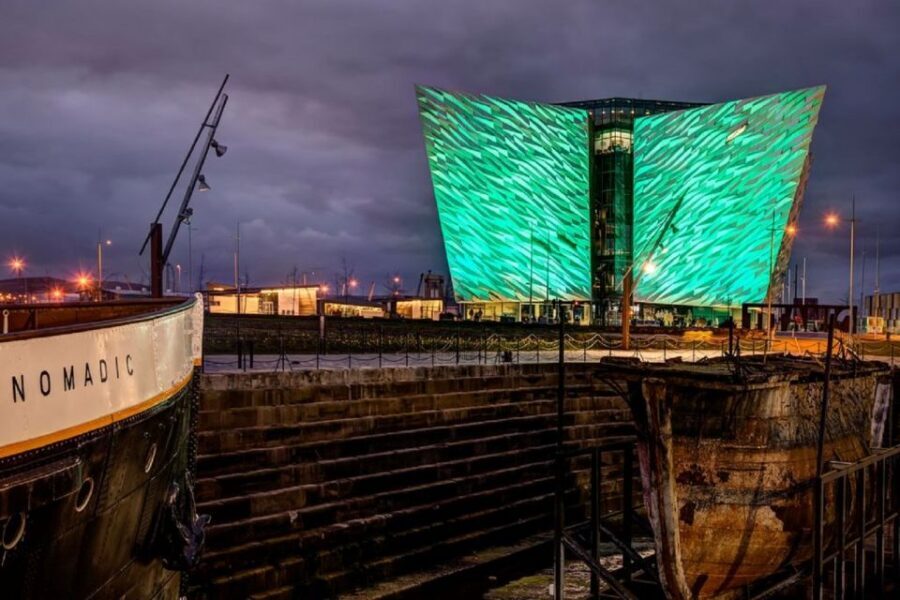
The Titanic stop is the emotional anchor of the day. You’ll head to Belfast docks—the place tied to the ocean liner’s birthplace story—so this isn’t Titanic as a movie plot. It’s Titanic as a waterfront reality, with industrial buildings and water-adjacent atmosphere that makes the whole thing click.
If your day includes a visit to the Titanic Museum, that’s the part that tends to make the investment feel worth it. One reviewer pointed to the museum as the best payoff of the day, and I agree with that logic. The museum helps translate the scale and details you can’t fully absorb just by standing outside the docks. It’s the bridge between location and meaning.
You should also plan for this moment to be schedule-critical. If you’re late, you can end up stressed in a way that ruins the day. So when the time comes, don’t treat the Titanic section like a flexible suggestion. Be punctual. Arrive early for your group transfer points, and keep your walking-ready shoes on.
Weather can affect this portion too. Belfast can be wet and windy, and dock-area time can feel longer when conditions are poor. If you’re traveling in colder months, bring layers you can adjust quickly.
Monasterboice’s Celtic crosses: Muiredach’s High Cross and the biblical carvings
Then the day slows down—quietly—at Monasterboice in County Louth. This is where the experience becomes genuinely memorable, because you’re not looking at copies or reconstructions. You’re standing among ruins of an early Christian settlement, with stone crosses you can actually read with your own eyes.
The headline attraction is Muiredach’s High Cross. This is a 10th-century cross with biblical inscriptions, and it’s often considered the finest of its kind in Ireland. What I love about crosses like this is how they reward attention. At first glance, it’s stone sculpture. Then you start picking out the figures and narrative elements, and suddenly the carvings feel like a visual Bible lesson made for people who couldn’t read.
A practical tip: give yourself a few minutes before you start “trying to see everything.” Look from a distance first, so you get the overall layout. Then move closer for the inscriptions. If you rush, you’ll miss the way the details are arranged.
You’ll also see other Celtic crosses and classic early Irish features, including a round tower. That combination helps you understand Monasterboice as more than one monument. It’s a whole site where religion, learning, and local identity were carved into the landscape—literally in stone.
Two medieval churches and the round tower: what you’ll actually notice
Monasterboice isn’t just about crosses. The included visit covers the two churches on site, which are thought to date back to the 14th century or earlier. That broad time range is exactly what makes the place interesting: you’re looking at a site that likely evolved over time, with layers of meaning packed into what’s still standing.
The round tower is another feature you’ll notice. Early medieval Ireland has a few of these, and standing next to one does something subtle—it makes you rethink the scale of the community that once lived and worked here. Even if you don’t know a ton of dates, the physical presence communicates “this was important.”
When you’re exploring ruins, your best strategy is to focus on contrasts:
- What’s intact vs. what’s broken
- What’s carved vs. what’s plain stone
- Where the paths lead, because they often follow old movement patterns
If your group moves at a brisk pace, don’t panic. Even with a tight schedule, Monasterboice can still feel calm if you take a slow walk for a few minutes before you start catching up with the guide.
Also remember: this is outdoor archaeology. Bring shoes that handle gravel and uneven ground. If you’re expecting a smooth, museum-like floor, you’ll be disappointed.





Food, walking, and the practical stuff that can make or break the day
Food and beverages aren’t included, so plan for lunch on your own. This matters more than people think. When you’re in a packed day, being underfed makes every stop feel longer—especially in wind or rain. If you can, grab something quick near where you’re oriented, then keep moving.
Comfort is the other big practical point. You’ll do coach time plus outdoor walking at both Belfast and Monasterboice. I’d pack layers for wind and rain, plus a small umbrella if you’re the sort who hates getting soaked.
Accessibility is limited. The tour isn’t suitable for wheelchair users based on the provided information. That’s a genuine constraint, so if mobility is a concern, you’ll want to look for a different format.
Finally, timing is your friend and enemy. One experience went wrong because of late boarding around the dock portion. You can avoid that kind of stress by doing two things: confirm your meeting point and arrive early enough that you’re not rushing at pickup.
So, is it good value for your one-day Dublin stop?
Value here is mostly about what you want out of a day trip. If you care about Titanic as a real place plus you want the Monasterboice Celtic crosses experience, this tour is a sensible “best-of” combo. You’re hitting a dock landmark and one of Ireland’s most significant stone-carving sites without having to coordinate multiple transport steps.
If you’re hoping for tons of free time in Belfast to wander at your own pace, you might feel the pinch. Some schedules leave people with limited city time, which can be frustrating on a rainy day when walking options shrink. In that case, the museum visit and the guided stops become even more important.
Think of it like this: the day is designed around two anchor destinations—Titanic docks and Monasterboice—with Belfast city context as the connective tissue. If that matches what you want, you’ll likely enjoy the flow.
Should you book the Belfast, Monasterboice & Titanic tour from Dublin?
Book it if you want a structured day that connects Titanic’s Belfast story with one of Ireland’s most striking early medieval sites. It’s ideal if you like guides who bring local context and you’re willing to move at a steady pace for major stops.
Skip it or look for a different option if you strongly prefer long, flexible time in Belfast on your own, or if you get stressed by tight schedules. And if you’re traveling in bad weather, pack for outdoors—Monasterboice and dock-area time won’t turn into a indoor experience.
If you’re ready to trade a bit of freedom for a lot of wow-per-hour, this is a solid one-day plan.
FAQ
How long is the Belfast, Monasterboice & Titanic tour?
The tour runs for one day.
What is included in the tour price?
It includes transportation, a live English-speaking guide, and entrance to the two churches of Monasterboice.
Do I get to see Muiredach’s High Cross?
Yes. The tour includes exploration of the Celtic crosses at Monasterboice, including Muiredach’s High Cross with its biblical inscriptions.
Is food and beverages included?
No. Food and beverages are not included, so you’ll need to plan meals on your own.
What language is the guide?
The live tour guide speaks English.
Is the tour wheelchair accessible?
No. The tour is not suitable for wheelchair users.