REVIEW · DUBLIN
Dublin: Jeanie Johnston Tall Ship Irish Famine History Tour
Book on GetYourGuide →Operated by Jeanie Johnston Famine Museum · Bookable on GetYourGuide
Dublin’s tall-ship story hits hard. On this Jeanie Johnston Irish Famine History Tour, you walk the decks in Dublin’s North Dock and hear how real emigrants experienced the crossing. It’s a short visit with a big emotional punch, from the masts overhead to the cramped spaces where passengers spent most of their time.
What I love most is the way the ship itself does the storytelling. The above-deck walk gives you the shipping-trade context, including why this vessel (and the original) shifted from timber work to carrying people, while still letting you enjoy the Docklands views. The second big win is the below-deck section, where you get a clear sense of overcrowding—up to 250 passengers—and how limited fresh air was.
One consideration: this tour is not recommended for people with limited mobility. You’ll be climbing aboard and moving around the ship, so comfy, supportive shoes matter.
In This Review
- Key things to know before you go
- Jeanie Johnston in Dublin’s North Dock: what you’re stepping into
- 50 minutes on board: how the tour is paced
- Above deck details and Docklands views from the masts
- Below deck reality: cramped quarters, limited air, and daily routine
- The people behind the crossing: payment, passage, and survival risks
- Why a tall ship experience feels different than a museum room
- Price and value at around $16 per person
- Who should book this Dublin famine ship tour (and who should skip)
- Quick practical tips before you climb aboard
- Should you book this tour?
- FAQ
- Where does the tour start?
- How long is the tour?
- Is the tour guided, and what language is it in?
- What should I bring?
- Is it wheelchair-friendly?
- What’s included in the ticket price?
Key things to know before you go
- Docklands views from the ship: you’ll get a different angle on Dublin’s North Dock and see the ship in the kind of photo spot people come back for.
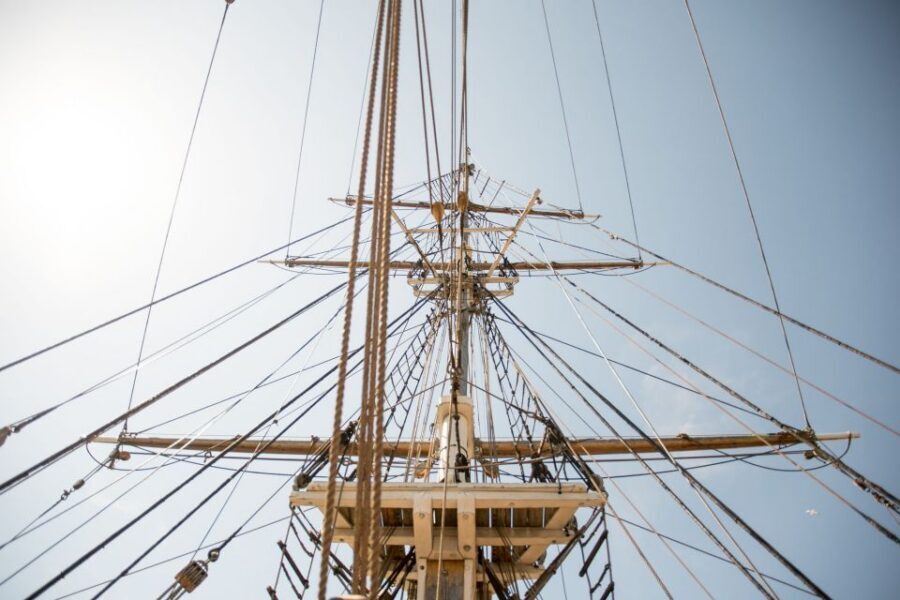
- Above-deck tall-ship details: masts, craftsmanship, and 19th-century shipping trade come into focus fast.
- Below-deck passenger reality: cramped quarters for up to 250 passengers and only about half an hour of fresh air each day.
- Famine-era emigration stories: you’ll learn about the people who fled and how the crossing was paid for.
- Risk and survival themes: disease, starvation, and disaster are part of the story, presented in a direct way.
- A 50-minute format: the tour is short enough to fit into a packed Dublin day without feeling rushed.
Jeanie Johnston in Dublin’s North Dock: what you’re stepping into
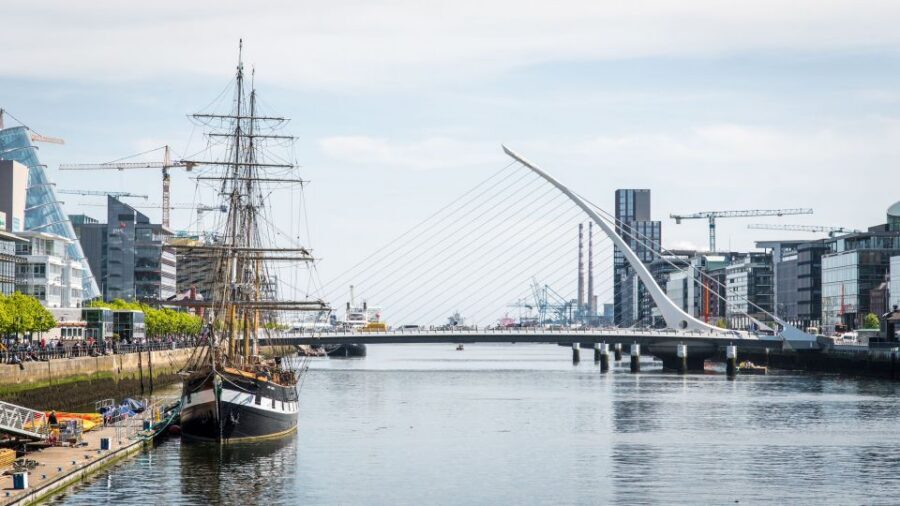
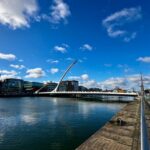
The Jeanie Johnston Tall Ship Irish Famine History Tour is centered on one powerful idea: history feels different when you’re standing on the same kind of wooden space where people endured a journey they never chose. The ship sits at Custom House Quay in Dublin 1, in the City Moorings area of the North Dock, so you’re not just visiting a museum display—you’re getting your bearings in the harbor zone that shaped so much Irish maritime life.
This experience is run by the Jeanie Johnston Famine Museum, and it focuses on the Irish Famine years, when roughly one million Irish people fled. From that larger wave, the tour highlights one specific story line: 2,500 of those emigrants took the gruelling voyage on the Jeanie Johnston. That number helps. It stops the famine from feeling like a vague headline and makes it feel like a lived event.
You’ll also hear how the original Jeanie Johnston’s story connects to the replica you’re visiting today. That detail matters because it explains why you’re on a ship that feels authentic in both look and layout, not just a modern stand-in.
You can also read our reviews of more historical tours in Dublin


50 minutes on board: how the tour is paced
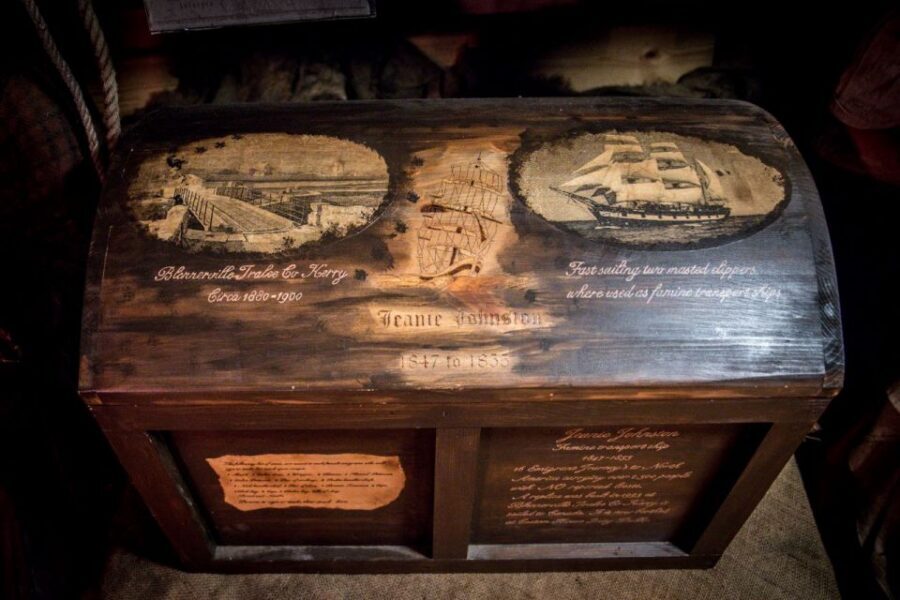
The tour lasts about 50 minutes and runs in English. There’s no hotel pickup, and it ends back at the start point, the Jeanie Johnston Tallship at City Moorings, Custom House Quay. That means you can treat it like a quick, high-impact Dublin stop.
The pacing goes in two clear phases:
- First, you’re guided above deck for the ship basics and the Docklands atmosphere.
- Then you move below deck to see the cramped living areas and hear the harder stories of life during the crossing.
Because it’s not a full-hour crawl through galleries, you’re less likely to lose focus. Instead, the guide threads context and human detail together in a tight block of time, so you leave with a solid mental picture: what the ship looked like, what it felt like to be inside, and why the voyage was so dangerous.
Above deck details and Docklands views from the masts
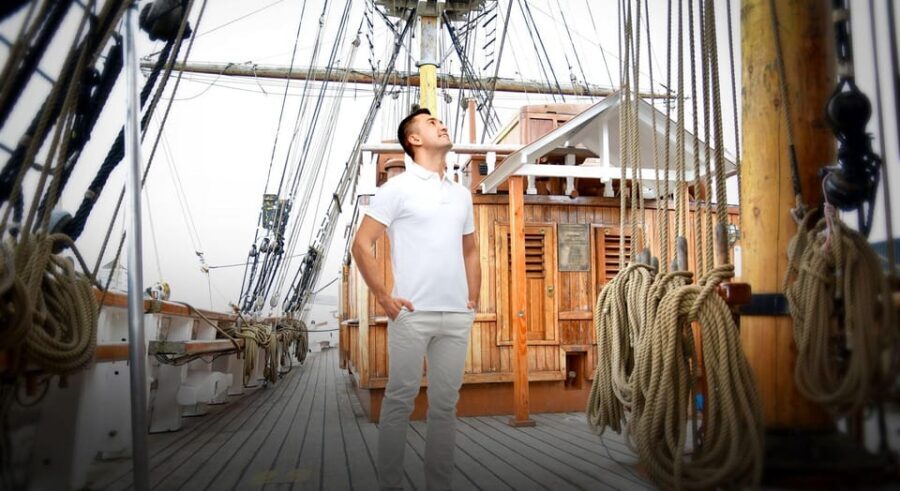
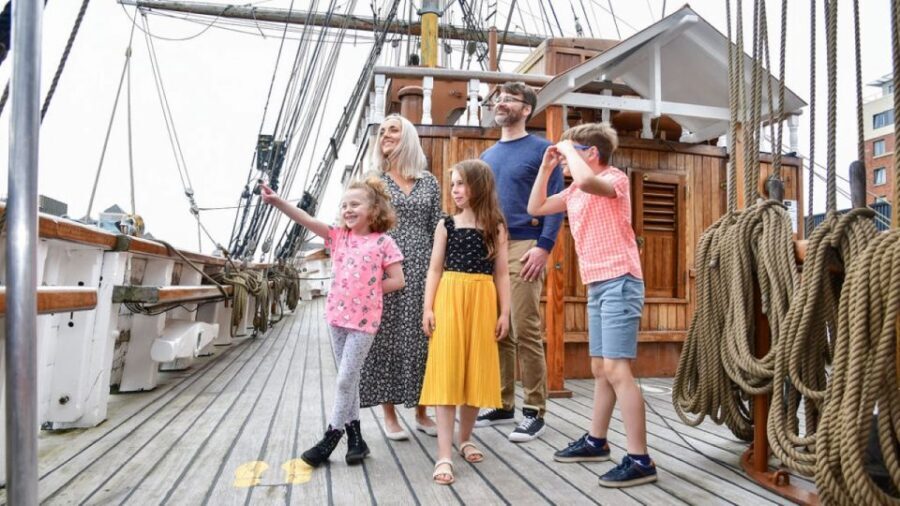
You start on the upper deck, where the ship’s structure does some of the work for you. You’ll walk around the deck and look up at the masts, getting a sense of the scale of a tall ship before you move into the cramped human story below.
This part isn’t just scenic. The tour explains why the Jeanie Johnston’s career shifted—from transporting timber to transporting people. That’s a key turning point in the 19th-century shipping story. You’re watching a vessel change purpose as Ireland’s desperation increased, and that gives the famine story extra weight. It’s not only about hunger or politics. It’s also about how industry, trade, and labor routes shaped escape.
While you’re up there, you also get a sensory break from the grimness: wind off the water, salty air, and the gulls calling overhead. The dock area has a working-port feel, and being higher up makes the whole scene more alive than a static exhibit.
One more practical upside: there’s time to grab a snap at one of the Docklands’ most photographed spots on the ship. If you’re traveling with a camera roll goal, this is a good place to get it done without turning the tour into a photo marathon.
Below deck reality: cramped quarters, limited air, and daily routine
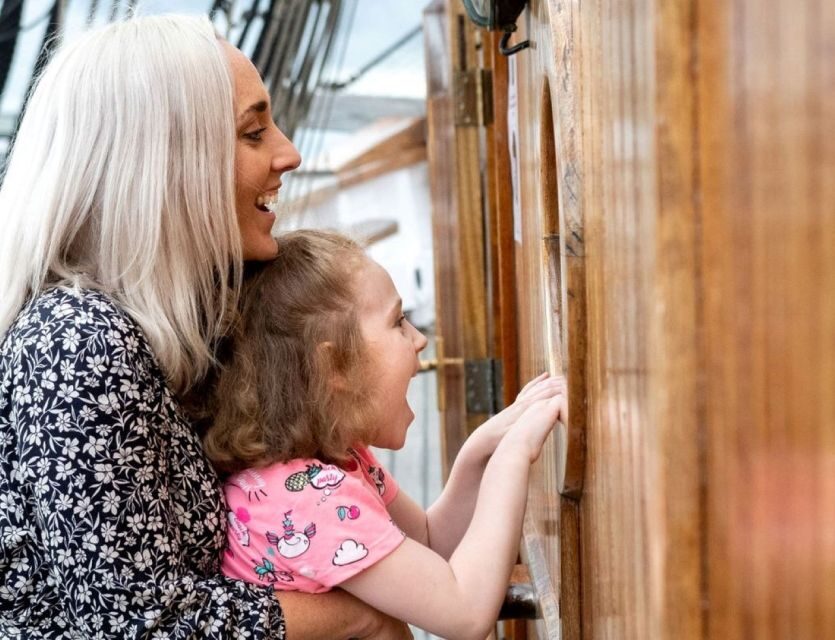
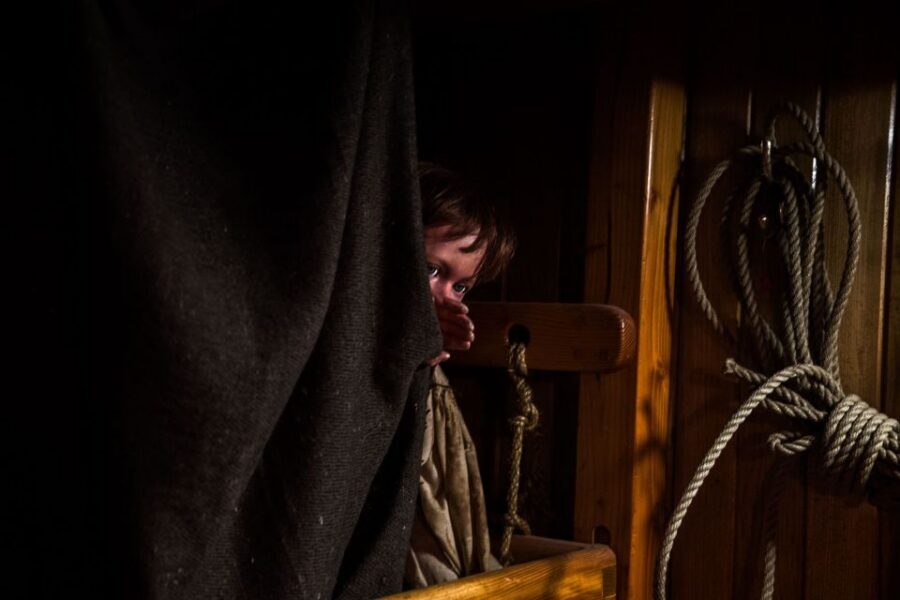
Then comes the part that gives you the clearest sense of what emigrants faced. You go below deck and see the living quarters where up to 250 passengers spent most of their time. You’re told that passengers would only get about half an hour of fresh air each day, which hits harder than numbers usually do.
This section is built around spatial thinking. Once you’ve seen the tight layout, the guide can point out how normal movements—sleeping, eating, and waiting—must have felt relentless. Even if you’ve read about the famine before, it’s the physical closeness that makes the story stick.
You may also notice period-style figures or mannequin-style displays in the spaces. Some people react strongly to those when they’re placed in the cramped setting, so if you’re sensitive to visuals like that, it helps to mentally prepare for a more direct, emotional presentation.
There’s still structure here. The guide doesn’t just say it was bad. You get specific themes:
- how passengers arranged their days,
- what they ate,
- how they endured the monotony,
- and what they worried about before and during the voyage.
It’s guided storytelling in a confined space, which is exactly why it works. You’re not imagining the conditions—you’re standing near the scale of them.
The people behind the crossing: payment, passage, and survival risks
This tour keeps returning to a simple question: who were these passengers, and how did the crossing actually happen? In the below-deck portion, you’ll hear the stories of passengers and crew, plus details about how emigrants paid for their crossing. That piece adds context beyond tragedy. It shows the journey wasn’t only an act of desperation—it was an organized decision with costs, plans, and choices, even if those choices were limited.
You’ll also learn what made the voyage so grim: disease, starvation, and disaster were real threats at sea. The guide frames them as risks within the ship’s daily reality, not as abstract fears. That’s important because it keeps you from thinking of the famine ship as one single moment. Instead, you understand it as a chain of constant hazards.
The tour also covers what people did to pass time and what fates awaited them at their destination. That approach helps you avoid the common problem of only learning the suffering part. You get at least some sense of what happened next, which is how you leave with understanding rather than just heaviness.


Why a tall ship experience feels different than a museum room
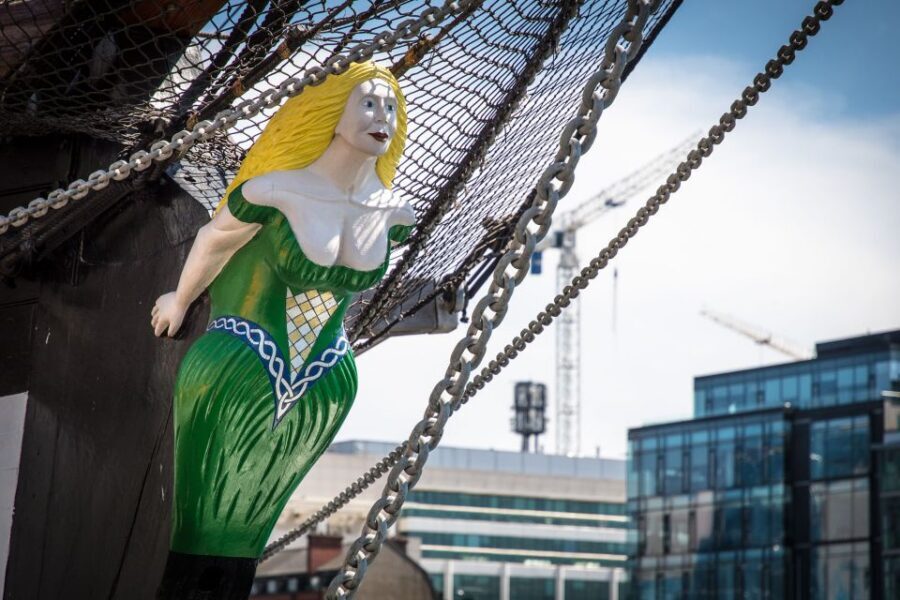
Yes, this is a museum experience—but it’s also a ship experience. The layout matters. Climbing up to the masts, then going down into the passenger quarters, gives you a natural before-and-after contrast.
That contrast does three useful things for you:
- It builds your mental map quickly (ship above, living below).
- It makes the story feel physical, not theoretical.
- It links Dublin’s docks to the wider Atlantic crossing, because you’re standing right where maritime life begins.
The tour also includes explanation of both the original Jeanie Johnston and the replica. Hearing how and why the replica was built helps you trust what you’re seeing. You’re not left guessing whether a feature is authentic or interpretive. Instead, the guide connects what you’re seeing with the vessel’s history and purpose.
Price and value at around $16 per person
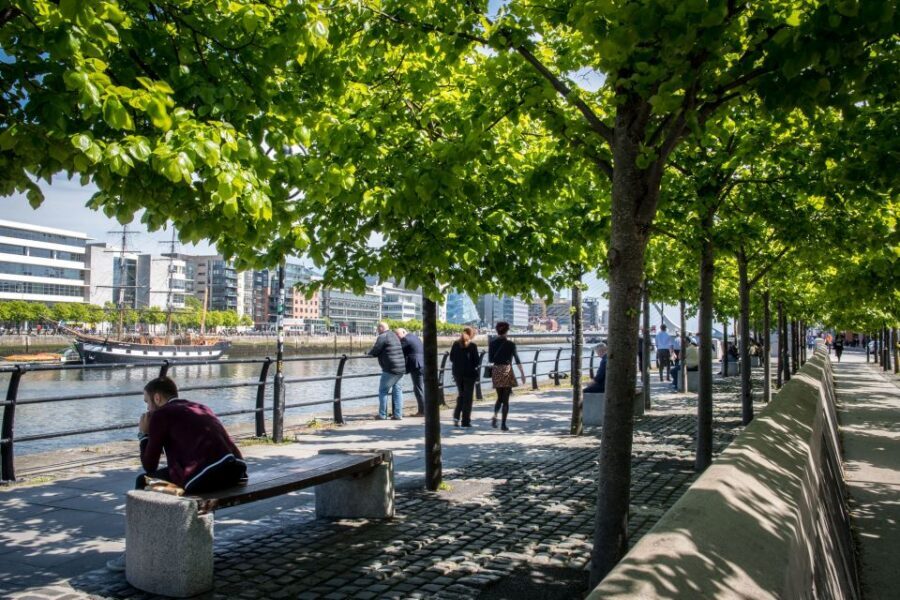
At about $16 per person, this is priced like a serious cultural stop rather than a premium attraction. The value comes from what’s included: entrance and access to the guided tour of the Jeanie Johnston Tall Ship. In other words, you’re paying for a guide who turns a ship visit into a structured story, not just for a place to wander.
The 50-minute duration is also part of the value. You get a complete arc—above deck context, below deck reality, human stories—without needing a half-day commitment. In Dublin, where you’ll often be bouncing between sights, that matters. This tour is short enough to pair well with other North Dock or city-center activities.
If you care about Irish history beyond museum labels, the ship format helps you remember it. And if you want a guided experience that doesn’t swallow your whole afternoon, this fits.
Who should book this Dublin famine ship tour (and who should skip)
This is a strong choice if you:
- want a guided Irish Famine story that focuses on real people and real ship life,
- like hands-on history where the space does the teaching,
- appreciate short, story-driven tours that you can finish in under an hour.
You might reconsider if you:
- have limited mobility or wheelchair needs, since the tour is not recommended for people with mobility impairments and is not suitable for wheelchair users,
- don’t want dark, serious content. The tour deals directly with the risks of the voyage and the suffering during the crossing.
Families can sometimes handle it well, especially with a guide who keeps the tone clear and structured. You’ll still want to consider the emotional weight of the subject matter and your kids’ comfort level.
Quick practical tips before you climb aboard
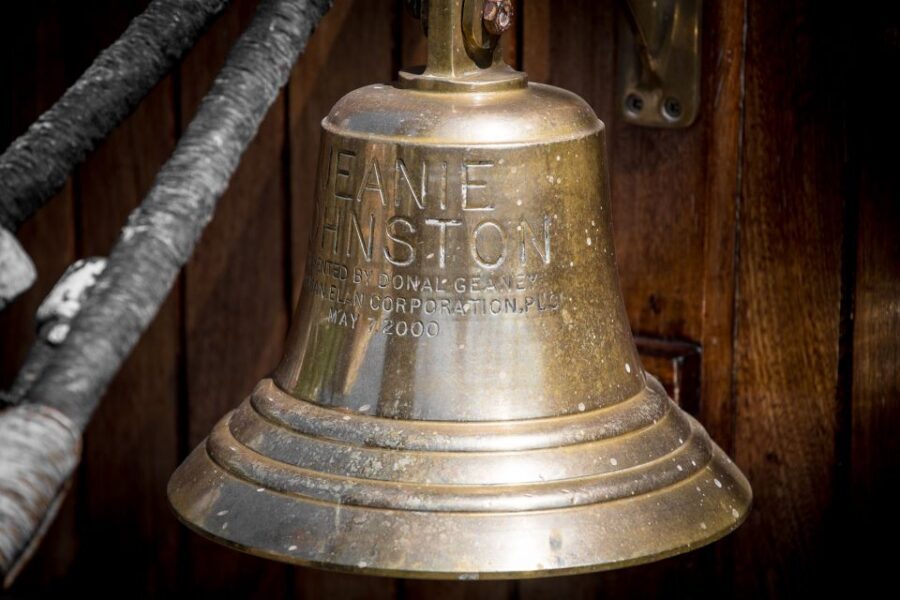
A few small things make the tour easier and more enjoyable:
- Wear comfortable shoes with good grip. You’ll be moving around the ship.
- Plan for a bit of outdoor dock time and wind, especially if you’re sensitive to cold in breezy harbor weather.
- Bring your camera mentality, not your camera obsession. The ship is one of the area’s most photographed attractions, and you’ll have moments to take photos without derailing the flow.
- If you have questions, ask them. The tour format gives room for live guide interaction, and people tend to appreciate a clear explanation in a guided context.
Most importantly, go in with patience. You’re stepping into a space where the point is to feel the conditions, not just to look at the ship.
Should you book this tour?
If you’re in Dublin and you want a history experience that feels grounded in place, I think you’ll enjoy this one. The value comes from the guided story, the tight 50-minute structure, and the way the ship layout helps you understand overcrowding, limited air, and the risks emigrants faced. For many people, it becomes a standout moment precisely because it doesn’t stay abstract.
Book it if you want an emotional but organized tour of the Irish Famine emigration story—from the masts and Docklands views to the cramped life below deck. Skip it only if mobility is an issue or if you already know this subject matter will feel too heavy for your trip.
FAQ
Where does the tour start?
It starts at the Jeanie Johnston Tallship, City Moorings, Custom House Quay, Dublin 1, and it ends back at the same meeting point.
How long is the tour?
The tour is 50 minutes (starting times vary, so you’ll need to check availability).
Is the tour guided, and what language is it in?
Yes. It’s a live guided tour in English.
What should I bring?
Comfortable shoes are recommended.
Is it wheelchair-friendly?
No. The tour is not suitable for wheelchair users and is not recommended for people with limited mobility.
What’s included in the ticket price?
Your ticket includes entrance and access to the guided tour of the Jeanie Johnston Tall Ship. Hotel pickup and drop-off are not included.