REVIEW · DUBLIN
Dublin LGBTQ Pride Historical and Cultural Walking Tour
Book on Viator →Operated by Original Dublin · Bookable on Viator
Queer Dublin has a walkable timeline. This 2-hour LGBTQ Pride historical and cultural walking tour strings together central Dublin landmarks with stories of Ireland’s LGBTQ+ community, from Temple Bar’s heart to Trinity College and finish-time at Dublin Castle. What makes it extra interesting is the queer lens you get as the walk moves city-block by city-block through places many people only notice in passing.
I love the fact that you get major sights without feeling like you’re just on a checklist. Two stops in particular shine: the GPO Museum for the Ireland 1916 Easter Rising connection, and the Abbey Theatre for the way Irish culture and queer voices have shaped each other. I also love the price-to-time value: most stops are free to enter, keeping the cost predictable, and guides like Helena and Deidre are described as energetic and passionate about the stories. One consideration: Trinity College Dublin isn’t included in admission, so you’ll want to plan for that extra cost, and the walk is about two hours with moderate walking.
In This Review
- Quick hits before you go
- A Pride walk that maps queer Dublin end to end
- Price and value: what $29.02 buys you
- Where to start in Temple Bar, and how the timing feels
- Temple Bar: starting in the queer heart of the district
- GPO Museum stop: the 1916 Easter Rising connection
- Abbey Theatre: when Irish culture met queer icons
- Liberty Hall: Pride’s early days and trans advocacy
- Trinity College Dublin: the alumni route under the old arch
- Meeting House Square by Sean Harrington Architects: the 1980s thread
- Anna Livia and the River Liffey: a poetic pause with purpose
- George Bar: Dublin’s oldest operating gay bar
- Dublin Castle: ending in the upper courtyard with 1,200 years of story
- Who should book this Pride history walk
- Should you book this tour?
- FAQ
- How long is the Dublin LGBTQ Pride Historical and Cultural Walking Tour?
- Where does the tour start and end?
- How much does the tour cost?
- Is the tour offered in English?
- Do I need to pay entry fees during the stops?
- Is it a small group tour?
- Is a mobile ticket used?
- Is the tour near public transportation?
- What is the cancellation policy?
Quick hits before you go
- Temple Bar queer headquarters area with a café, disco, cinema, and more
- GPO Museum tie-in to the 1916 Easter Rising, plus remembered gay figures
- Abbey Theatre stop focused on an inspirational contemporary gay icon
- Liberty Hall details on the first Pride parade in Ireland and a trans activist
- Trinity College Green walkthrough with LGBTQI+ alumni near the old arch (entry not included)
- George Bar and Dublin Castle finish for old-school community and 1,200 years of history
A Pride walk that maps queer Dublin end to end
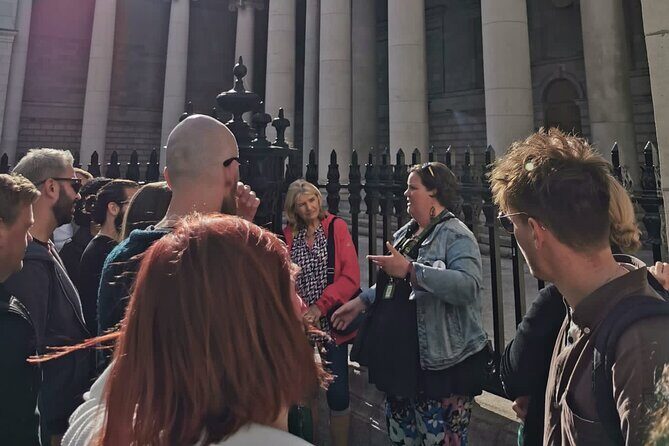
This is a straightforward, city-center walking tour designed to help you see Dublin in a new order. Instead of starting and stopping at the usual tourist hotspots, you move through places that connect to LGBTQ+ life, activism, and artists, then you carry those threads through the next street.
The route is timed to keep it easy to follow. Each main stop is short, so you get story highlights without standing around too long. And because it’s in the middle of Dublin, you’re also choosing a day-to-day practical plan: you can pair it with a pub meal, a museum visit later, or an easy stroll after.
Also, the tour is offered in English with a mobile ticket, and it’s set up as a group experience (maximum 100 travelers). That means you should expect a guided pace rather than a slow wander.
You can also read our reviews of more walking tours in Dublin



Price and value: what $29.02 buys you
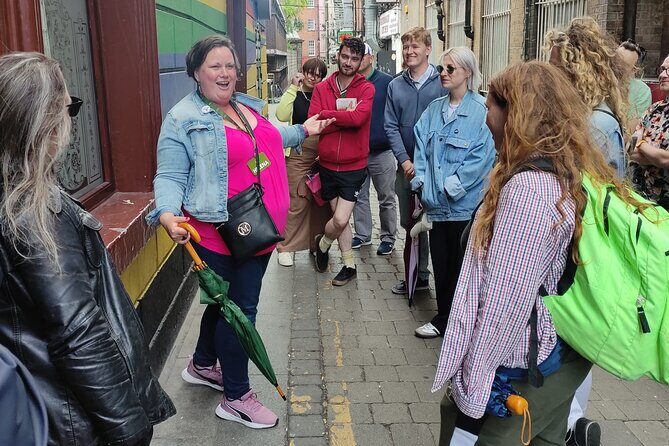
At $29.02 per person for about 2 hours, the value comes less from ticketed attractions and more from guided interpretation. You’re not paying for a long museum day; you’re paying for a route that connects big-name Dublin landmarks with smaller stories that are hard to find on your own.
Here’s where the math helps: many stops are listed as free admission. That keeps your spending stable if you budget for food and maybe one paid entry (Trinity College). If you’re visiting on a tighter travel budget, this “mostly free stops” structure makes the tour feel like a bargain.
If you do the tour, you’ll also likely feel more confident navigating the city afterward. The walk gives you a set of names, places, and cultural context that makes Dublin feel less like random streets and more like a connected story.
Where to start in Temple Bar, and how the timing feels
You’ll begin at 3 Crown Alley, Temple Bar, Dublin (D02 CX67). This start point is convenient because Temple Bar is easy to find, easy to reach, and full of obvious landmarks—good for meeting up and getting your bearings fast.
The tour runs about 2 hours with short stops. In plain terms: it’s enough time to cover a good slice of central Dublin, but not so long that you’ll feel stuck for your entire afternoon. The overall walking is best for people with moderate physical fitness, and since it’s close to public transport, you can also plan to hop on and off the route if you need a break before or after.
Service animals are allowed, and the tour is set up for the kind of respectful attention you want on a history walk. It’s also a good size for social energy without feeling like you’re in a giant bus crowd.
Temple Bar: starting in the queer heart of the district
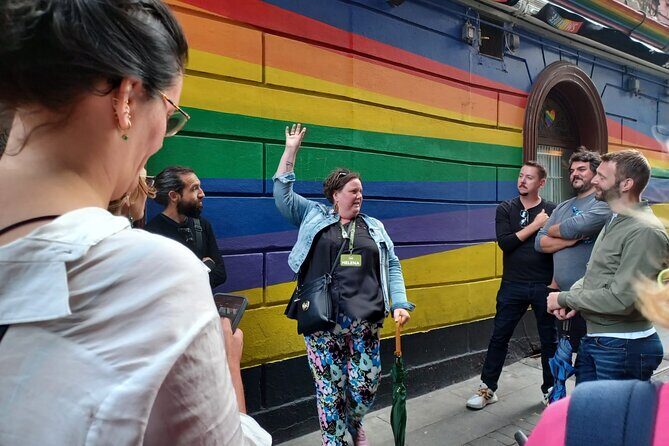
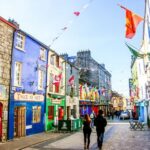
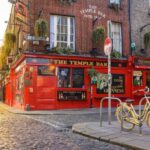
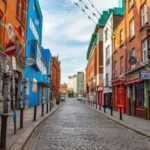
Your first stop puts you right in the Temple Bar area, where the vibe is instantly Dublin. But the tour doesn’t treat Temple Bar as just a pretty streetscape. It’s used as a launching pad for explaining how queer spaces and identities became visible in the city.
Later in the walk, you circle back to Temple Bar for a more pointed look at the site of Ireland’s first bona fide gay headquarters. You’ll hear how the area functioned like a hub, with a mix of everyday hangouts and public-facing culture. The details matter here—because they help you understand that “community” wasn’t only something people talked about. It was something built with venues, schedules, and places to meet.
Temple Bar can be busy, and that’s the only mild drawback. On a crowded street, you may hear less during the busiest moments, so it helps to arrive a touch early so you can settle in your spot.
GPO Museum stop: the 1916 Easter Rising connection
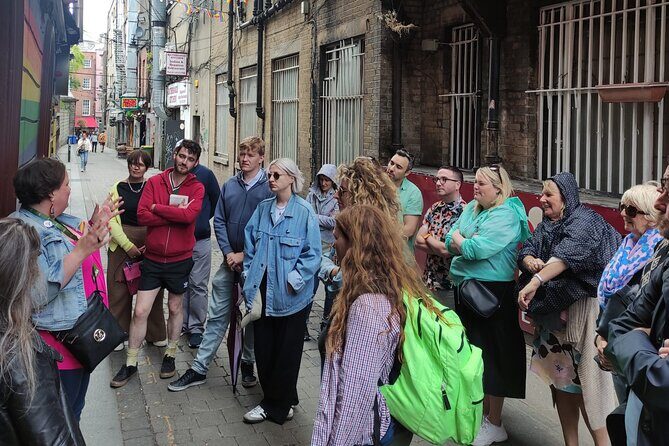
The GPO Museum is a smart pivot point because it connects Irish national history to queer remembrance. You’re in one of Ireland’s most culturally and historically important buildings, known for its role during the 1916 Easter Rising.
What the guide brings to this stop is the human angle: you’ll explore how certain gay figures played pivotal roles in the events of that week and how they’re remembered today. Even if you already know the broad basics of Easter Rising history, this tour adds an extra layer—who is included in the official story, and who tends to be left out.
Also, the stop is short by design. That means you get a guided storyline without turning the walk into a long museum homework session. If you want more afterward, you’ll be better prepared to choose which nearby exhibits to revisit.
You can also read our reviews of more historical tours in Dublin



Abbey Theatre: when Irish culture met queer icons
Next is the Abbey Theatre, Ireland’s national stage. This stop works because it connects queer history to art and public voice—two things that often push social change when politics moves slowly.
You’ll hear about an inspirational contemporary gay icon and how their role helped shape Ireland’s modern landscape. The takeaway is practical: culture is not separate from activism. In Dublin, theaters, writers, and performers have often been part of how ideas spread.
One thing to watch: Abbey Theatre can feel like a “big stop” in your day, even when the guided portion is brief. If you like theatre, you’ll probably want to continue exploring around it afterward, or at least keep an eye on what’s on during your dates.
Liberty Hall: Pride’s early days and trans advocacy
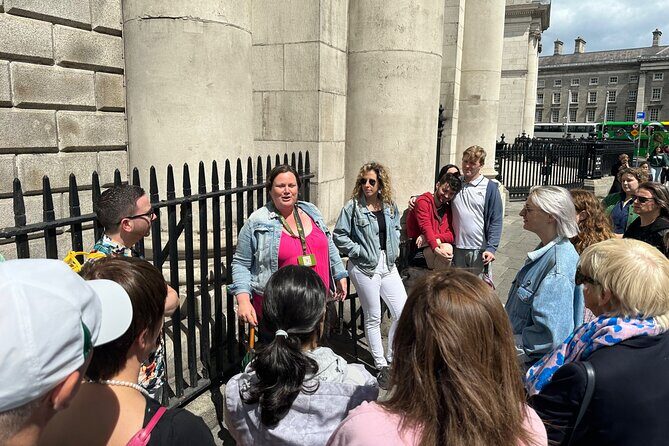
At Liberty Hall, the tour turns to activism and the emotional weight of public visibility. You’ll learn about the circumstances around the first ever gay pride parade in Ireland—and you’ll also get a close look at the work of an inspirational trans activist.
This is one of the stops where the tour’s “why it matters” becomes very clear. Pride isn’t just a festival date. It’s the outcome of risk, organizing, and pressure put on institutions and communities to be seen and respected.
Because the stop is about 10 minutes, it’s not the place for every detail. But it gives you enough grounded context that you’ll understand headlines and references later, whether you see them in a conversation, a book, or a museum text.
Trinity College Dublin: the alumni route under the old arch
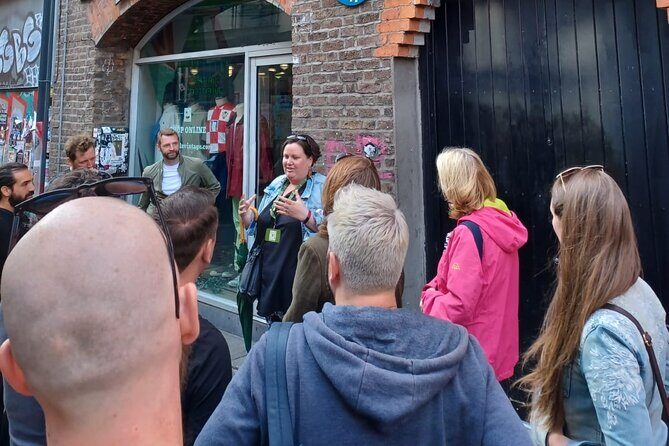
The Trinity portion is a favorite for many visitors because it blends a world-famous campus with a more personal story. Trinity is the oldest and one of the most famous colleges in Ireland, and you’ll learn about LGBTQI+ alumni who passed beneath the famous old arch.
You’ll also spend time around the College Green area, so it’s not only about one doorway or one photo spot. It’s more like: here’s what a historic institution looks like, and here’s proof that queer life and achievement have always existed in Ireland’s formal education story too.
Important planning note: Trinity College admission isn’t included. So decide ahead of time whether you’re comfortable adding that cost. If you’re not, you can still appreciate the guided context from the area, but the tour’s full value is strongest when you can do the campus entry as intended.
Meeting House Square by Sean Harrington Architects: the 1980s thread
This stop loops back around into a different kind of Dublin space: Meeting House Square, designed by Sean Harrington Architects. Here, the theme shifts toward the 1980s, when hope had to travel through smaller networks and persistent conversation.
You’ll hear about people who brought hope and light to the community and about the thinkers and change makers of the time. This part of the route is useful because it doesn’t make queer history feel like a single event. It shows how change kept happening in different ways across different decades.
If you like walking tours that feel like a guided timeline, this is the stop that makes it click. You can almost feel the city’s “then versus now” difference, even if the buildings look familiar.
Anna Livia and the River Liffey: a poetic pause with purpose
Then you get a lyrical moment tied to Dublin’s river identity. The tour straddles Dublin’s fabled waterway around Anna Livia, using the river as a thread that connects neighborhoods, stories, and community movement.
This kind of stop is more than scenery. It helps your brain store the day’s information. When you break up dense history with a different kind of setting, the stories stick better.
If you’re photographing as you go, this is a good spot to slow down. Even though the guided moment is short, the river helps you frame the rest of the city.
George Bar: Dublin’s oldest operating gay bar
The George Bar is a big reason this tour feels grounded. It’s described as Dublin’s oldest operating gay bar, and that label matters because it implies continuity through changing eras.
Here, you’ll hear how this pub has stayed at the center of Dublin’s LGBTQ+ community. A bar is not just a venue for nightlife. It’s a place where people exchange information, find allies, and build social trust. When activism and everyday life overlap, that’s where you often see real community strength.
This stop is also a nice bridge between history and present-day Dublin. You’re not only learning about the past; you’re seeing one of the living places where the past still echoes.
Dublin Castle: ending in the upper courtyard with 1,200 years of story
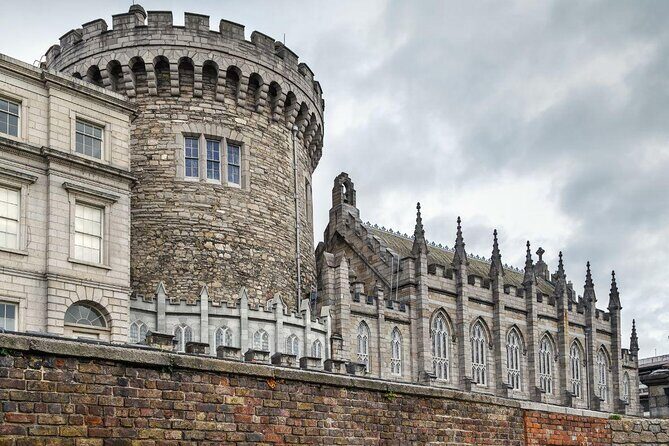
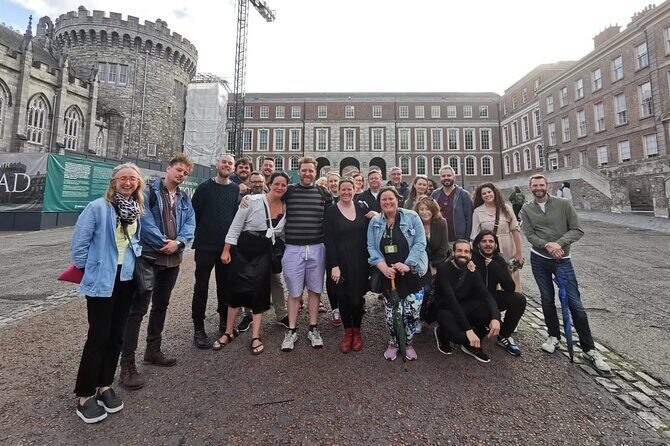
Your tour finishes at the upper courtyard of Dublin Castle. Dublin Castle is tied to a long timeline—about 1,200 years of history—and the ending location makes the last minutes feel ceremonial.
Finishing in the center of that 18th-century splendour gives the day a satisfying shape. You started in Temple Bar’s lively district and ended in one of the city’s most iconic landmarks. But the tour’s focus stays consistent: queer Dublin history, not just Dublin’s famous buildings.
If you want a light plan afterward, stay in the castle area a bit longer for atmosphere, then continue walking toward whatever you have next. You’ll likely find the streets feel easier once you’ve learned the route’s logic.
Who should book this Pride history walk
Book it if you want a guided city-center history that’s actually about LGBTQ+ people and culture—not just a generic Dublin highlights tour with a few token references. It’s also a great fit if you like theatre, art, and public institutions, because the route touches the Abbey Theatre and the broader cultural world around it.
It’s especially worth it for first-timers in Dublin who want a fast way to understand where queer community history shows up on the map. The fact that many entries are free means you’ll get a lot of story time without stacking up paid admissions.
Consider a different option if you hate walking or if you’re unwilling to pay Trinity College admission. The tour is built around short stops and a moderate walking pace, so plan for that.
Should you book this tour?
Yes, if you want a compact, meaningful way to understand queer Dublin with real place-based storytelling. The route connects Temple Bar, GPO Museum, Abbey Theatre, Liberty Hall, Trinity, and George Bar in a way that makes Dublin feel mapped, not random. And with energetic guides such as Helena and Deidre, the day’s tone stays lively while still tackling hard parts of history.
If you’re on a budget, the free-entry stops help a lot, but don’t ignore the Trinity cost. If that works for you, this is one of the easier “worth it” tours in Dublin because it turns central sights into something personal and memorable.
FAQ
How long is the Dublin LGBTQ Pride Historical and Cultural Walking Tour?
It lasts about 2 hours.
Where does the tour start and end?
It starts at 3 Crown Alley, Temple Bar, Dublin, and ends in the upper courtyard of Dublin Castle.
How much does the tour cost?
The price is $29.02 per person.
Is the tour offered in English?
Yes, it is offered in English.
Do I need to pay entry fees during the stops?
Most stops list free admission. Trinity College Dublin is listed as admission not included.
Is it a small group tour?
It has a maximum of 100 travelers.
Is a mobile ticket used?
Yes, the tour uses a mobile ticket.
Is the tour near public transportation?
Yes, it is near public transportation.
What is the cancellation policy?
You can cancel for free up to 24 hours in advance for a full refund. If you cancel less than 24 hours before the start time, the amount paid is not refunded.