REVIEW · DUBLIN
Dublin: Mythology, Folklore and Legends Walking Tour
Book on GetYourGuide →Operated by Original Dublin · Bookable on GetYourGuide
Dublin turns eerie when you learn the myths. This Mythology, Folklore and Legends Walking Tour pairs a live folklore expert with a short stroll through Dublin’s most story-soaked streets, from Temple Bar origins to modern Gaelic culture on O’Connell Street.
I love how the guide connects legend to real Dublin corners, especially with creature stories like the banshee and púca that you’ll actually hear tied to places. I also love the route’s emotional range, from popular landmarks to the Georgian Quarter’s darker side and the tragic thread connected to the Abbey Theatre.
One possible drawback: it’s a two-hour walking story session, so if you want lots of museum-style stops or long seated breaks, you may find it faster-paced than you expect.
In This Review
- Key things to know before you go
- Why this mythology walk feels more real than a normal sights tour
- Finding the tour: Temple Bar and that green umbrella moment
- Temple Bar’s mythical origins: how Celtic tradition gets explained
- The banshee and púca stories: Dublin’s folklore you can picture
- The Georgian Quarter’s macabre turn: rebellions, grave robbing, revolutions
- The Abbey Theatre’s tragic thread: why the arts show up in legend
- O’Connell Street and the Gaelic revival: stories that live today
- Pace, stops, and comfort on a 2-hour walk
- Price and value: what $27 buys you in Dublin time
- Who should book this tour (and who might want something else)
- Should you book Dublin’s Mythology, Folklore and Legends Walking Tour?
- FAQ
- FAQ
- Where does the tour start?
- How long is the walking tour?
- What’s included in the price?
- Is the tour wheelchair accessible?
- What language is the tour in?
- Where does the tour end?
- Is hotel pickup or drop-off included?
Key things to know before you go
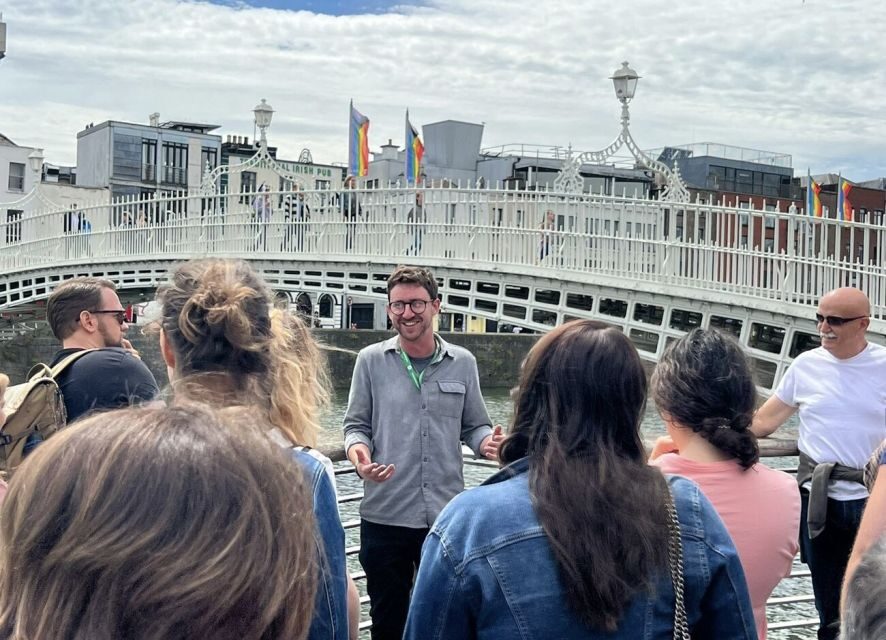
- Temple Bar starts the mythology: you begin with Celtic beliefs and mythical origins right in the center of it all
- Creature stories with Dublin street context: you’ll hear about the banshee, púca, leprechaun, and fairies in Irish folklore
- A darker detour through the Georgian Quarter: rebellions, grave robbing, and revolutions enter the story
- Abbey Theatre context, explained: the tour includes the tragic history connected to this landmark
- O’Connell Street ends with the Gaelic revival: you finish with modern street characters and language/culture revival ideas
Why this mythology walk feels more real than a normal sights tour
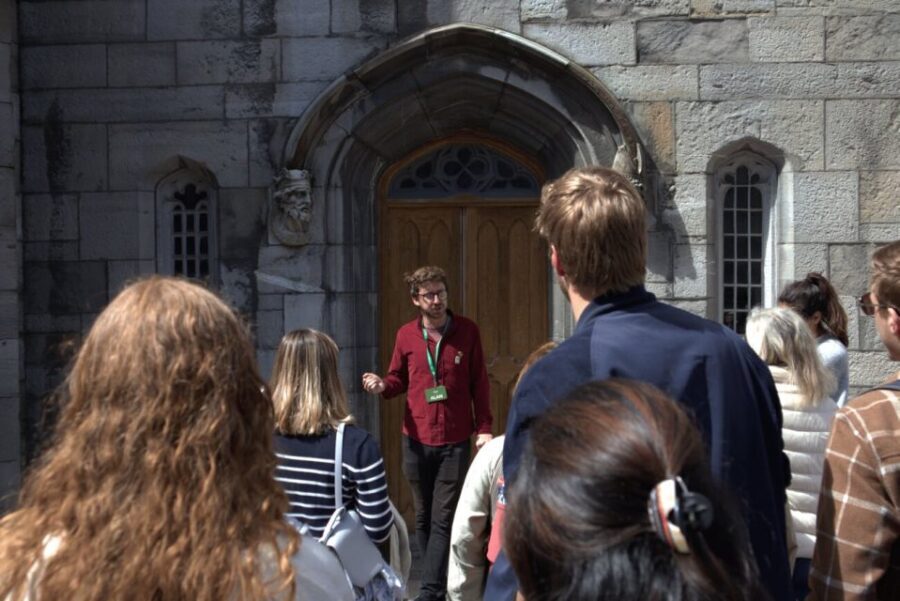
A standard Dublin walk can feel like a highlight reel: pubs, streets, a few facts, then you move on. This one works differently. You don’t just look at buildings. You hear why people once believed what they believed, and how that belief shaped attitudes, identity, and even how communities talked about life, death, and bravery.
The best part is the balance. You start in a tourist-heavy area, but you’re not stuck there. You use that familiar start to launch into older layers—Celtic tradition, fairy beliefs, and mythical creatures—and then you slide off the beaten path. Along the way, the stories help you read the city like a living book, not a backdrop.
And because it’s led by a fully accredited local folklore expert, the tone stays grounded in storytelling tradition. Guides such as Helena, Lee, Dave, and Emily are repeatedly praised for keeping the energy up with humor and clear pacing, which matters on a tour like this—especially when you’re mixing myth with heavier themes.
At $27 per person for about two hours with a live guide, the value is strongest if you like context. If you only care about photos and quick facts, you might feel the price is for performance more than scenery. If you care about meaning—why Dublin tells the stories it tells—this is a very fair deal.
You can also read our reviews of more walking tours in Dublin


Finding the tour: Temple Bar and that green umbrella moment
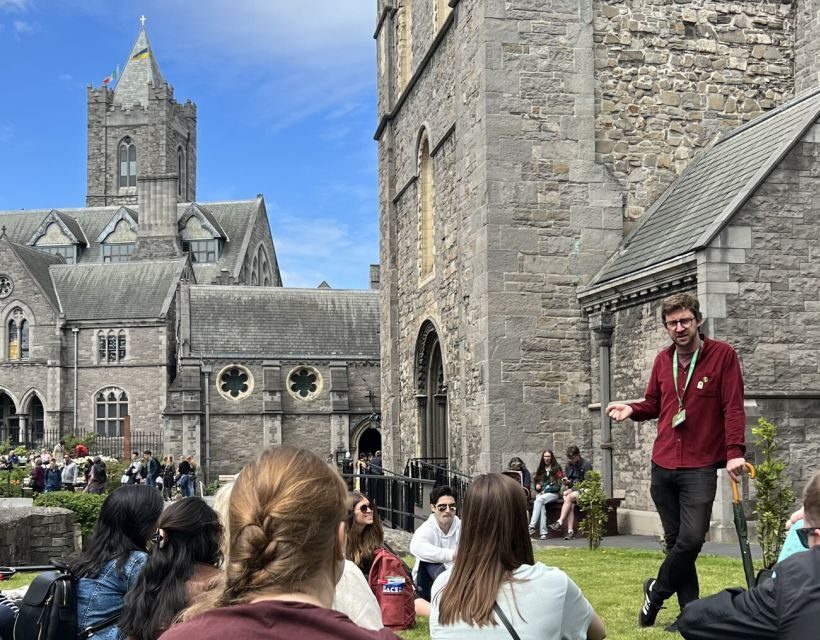
Your tour begins outside The Old Storehouse pub. Look for the green umbrella. That small detail sounds almost too simple, but it’s exactly the kind of thing you’ll appreciate when you’re meeting a group in the middle of Dublin.
This is also a good setup for the day. Temple Bar can be loud and busy, so starting here gives you instant context: the tour doesn’t pretend the area isn’t popular. Instead, it uses that buzz as a springboard into older belief systems and Celtic tradition—so the mythology feels connected to real street life, not locked away in a textbook.
The tour ends back at the meeting point, so you’re not left figuring out transit when you’re done. You can simply rejoin your Dublin plans with fewer moving parts.
Temple Bar’s mythical origins: how Celtic tradition gets explained
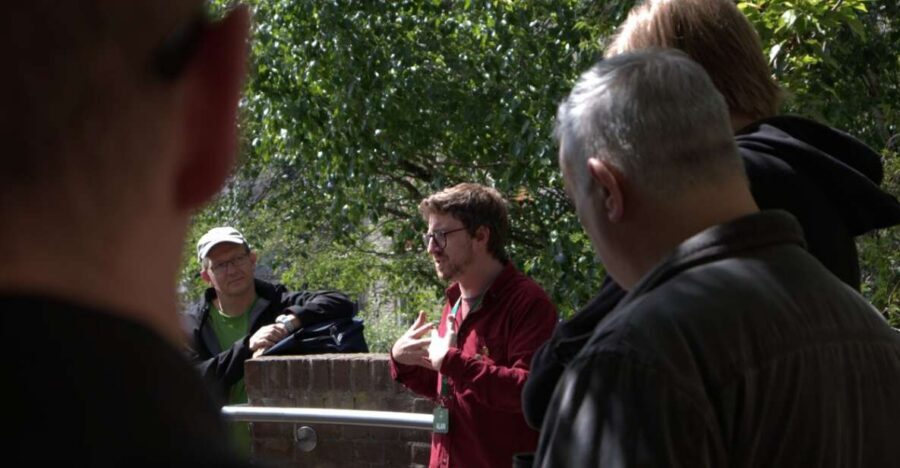
At the start, you’ll learn about Ireland’s mythical origins and the traditions and beliefs in Celtic culture. The key is how the stories are framed. You’re not just being handed supernatural characters—you’re being shown how people used myth to make sense of the world.
You’ll also hear about fairies in Irish folklore and the way these beliefs were woven into everyday thinking. That’s what changes the tour from fun-to-hear to memorable-to-use. After a good explanation, you start spotting the pattern: myths aren’t random. They’re language for fears, hopes, warnings, and courage.
One thing I like about this approach is that it respects your time. Since the tour runs about two hours, the guide keeps the arc moving. You get enough background to understand the characters—like the leprechaun, or the fearsome creatures below—without turning the whole thing into a lecture.
The banshee and púca stories: Dublin’s folklore you can picture
This tour leans hard into creatures that show up again and again in Irish storytelling. You’ll learn about mythical beings such as the banshee and púca, plus the broader cast of Irish folklore.
Here’s why that matters for your experience: Dublin’s streets can feel like they’re all built at once. But folklore gives you a different timeline. When a guide connects these creatures to specific themes—warnings, omens, bravery, the unknown—you start seeing the city as layered. You’re learning not just what people believed, but what belief did for them.
Guides like Helena and Emily are praised for making the stories feel alive, not like a list of legends. That storytelling skill matters because creature lore can drift into the abstract fast. When the guide keeps linking the myth to place and attitude, you walk away with mental images you can carry into the rest of your Dublin trip.
And yes, you’ll hear about leprechauns too. Even when the tone shifts to something lighter, it still feeds the same bigger idea: storytelling is part of Irish and Gaelic culture—how people pass meaning from one generation to another.
The Georgian Quarter’s macabre turn: rebellions, grave robbing, revolutions
After the central start, the tour turns away from the most obvious tourist route. You’ll get off the beaten track into parts of the Georgian Quarter’s macabre side, where the tour theme shifts darker.
Expect stories that touch on:
- Rebellions
- Grave robbing
- Revolutions
This is where the tour becomes more than cute folklore. Myth and history talk to each other here. Even if you don’t believe in supernatural creatures literally, you’ll feel the emotional reality of the human stories underneath—fear, power struggles, the cost of change.
A practical note: people often assume darker-history tours are heavy and tiring. This one is described as having multiple stops without turning into a long slog. So you can listen closely without needing museum-level endurance.
If you’re the type who loves the contrast—joyful storytelling alongside tragic context—this section is a highlight.






The Abbey Theatre’s tragic thread: why the arts show up in legend
You’ll also hear about the tragic history of the Abbey Theatre. That inclusion is smart. It shows you that Dublin’s storytelling isn’t only old-country myth. It’s also modern cultural expression—how tragedies were staged, discussed, and remembered.
In tours that focus only on legends, you can lose the bridge between past and present. Here, the bridge is the idea that story-making is a survival skill. A theatre can be a place where communities process loss, identity, and political change.
So even though the focus stays on folklore and legends, the Abbey Theatre piece gives you a cultural anchor. It helps explain why Dubliners take storytelling seriously: it’s not just entertainment; it’s part of how the city keeps its memory.
O’Connell Street and the Gaelic revival: stories that live today
The tour ends on O’Connell Street, with an introduction to the revival of the Gaelic language and culture in Ireland. You also get a look at Dublin’s contemporary street character—so the ending doesn’t feel like a history museum cap-off.
This matters because the whole experience is really about continuity. Irish storytelling tradition isn’t locked in the distant past. The myths you heard at the start connect to language revival efforts and modern cultural identity. The guide makes that link so you leave with more than a folder of legends.
If you’ve been wondering how folklore and national identity connect in real life, this is the part that answers it. You can walk out of the tour and still notice the thread: culture gets carried through speech, performance, and community memory.
Pace, stops, and comfort on a 2-hour walk
This is a two-hour walking tour, and the practical details matter. You’re likely to have several stops, and those pauses can help you stay fresh while listening. Reviews also suggest the walking isn’t extreme, with the tour designed so it can work for both adults and even families—especially if you’re managing sore feet after a long day.
You’ll be doing mostly on-foot city time, so I’d still suggest:
- wear comfortable shoes
- bring a light layer if the weather turns
- accept that you’re there for stories, not speed-walking
Good guides—like the ones named in the feedback—tend to pace the group so questions and conversation don’t feel awkward. If you like talking back with your guide, this kind of tour is built for it.
Also good to know: the tour is wheelchair accessible, so the route is set up for that reality. Hotel pickup and drop-off aren’t included, so plan to meet at the start point on your own.
Price and value: what $27 buys you in Dublin time
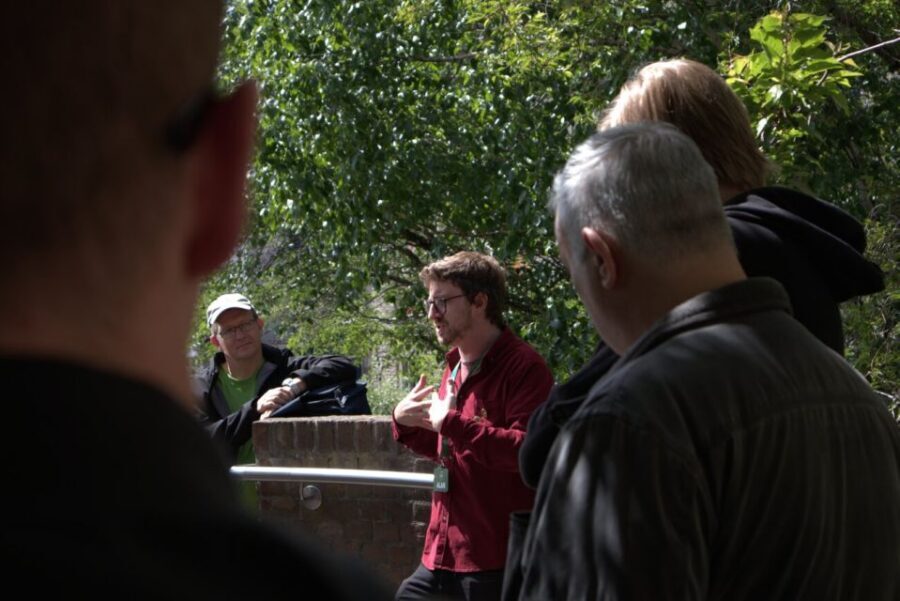
At $27 per person, this tour feels like good value for three reasons.
First, you get a live guide for about two hours. For Dublin, that’s the real currency: time with a person who can explain meaning, not just point and move.
Second, the tour doesn’t waste your morning with overly repetitive viewpoints. It starts where you’ll recognize the setting—Temple Bar—and then uses that familiarity to reach locations most normal walking routes skip. That “route design” is where your money shows up.
Third, the content mix is unusual in a good way: mythical creatures, Celtic beliefs, darker Georgian-era stories, the Abbey Theatre, and then modern Gaelic revival ideas. That variety is the difference between a one-note ghost story and a tour that changes how you see the city.
If your budget is tight and you only have room for one guided experience, this is one of the more thoughtful picks—especially if you want stories you can carry into the rest of your trip.
Who should book this tour (and who might want something else)
This tour fits best if you:
- like folklore and want it tied to actual Dublin streets
- enjoy storytelling and humor while still being open to darker themes
- want context for how Irish identity and language revival connect to myths
It’s also a great first guided activity. Starting early (or near the beginning of your stay) can help you “get your bearings” in a different way: by learning what local stories mean, not just where landmarks sit.
You might choose differently if you:
- want purely historical dates and official facts, with minimal myth content
- prefer mostly indoor stops
- dislike walking while listening to a continuous narrative
But for most people who enjoy culture, a story-focused walk is a smart use of time in Dublin.
Should you book Dublin’s Mythology, Folklore and Legends Walking Tour?
I’d book it if you want more than a normal city loop. The strength here is the way the tour connects mythical creatures and Celtic beliefs to Dublin’s real spaces—then it keeps going, with the Georgian Quarter’s darker stories, the Abbey Theatre’s tragic history, and an ending on O’Connell Street that brings you into the Gaelic revival conversation.
It’s also an easy commitment: 2 hours, English guide, wheelchair accessible, and it ends back where you started. For $27, you’re paying for guided interpretation—exactly the kind of thing that makes a destination stick in your mind.
FAQ
FAQ
Where does the tour start?
You start outside The Old Storehouse pub, looking for the green umbrella.
How long is the walking tour?
The tour is scheduled for 2 hours. Start times vary, so check availability.
What’s included in the price?
The price includes a guide and the walking tour.
Is the tour wheelchair accessible?
Yes, the tour is listed as wheelchair accessible.
What language is the tour in?
The tour runs with a live guide in English.
Where does the tour end?
The tour ends back at the meeting point outside The Old Storehouse pub.
Is hotel pickup or drop-off included?
No. Hotel pickup and drop-off are not included.
If you want, tell me your travel dates and whether you prefer lighter fun or darker history, and I can help you decide the best day/time to fit it with the rest of your Dublin plans.