REVIEW · DUBLIN
Small Group-Dublin Walking Tours
Book on Viator →Operated by Damian Dublin Tours · Bookable on Viator
Dublin goes from blurry to clear fast. This 2-hour small-group walk gives you the city’s big ideas in quick, memorable stops, with music and stories from your guide. You’ll cover central Dublin on foot and connect landmarks to the people and events that shaped them.
I love how the tour blends major sights with lesser-known details, like how Dublin’s name connects to the city’s earliest setting. I also like the pacing: it’s fast enough to build momentum, but you still get moments to ask questions and catch your breath.
One thing to consider: you’re on cobblestones for the full loop. If your feet get cranky easily, plan for comfy shoes and take it slow at corners.
In This Review
- Key highlights to expect on this Dublin walking route
- How this 2-hour small-group walk helps your first day in Dublin
- Chester Beatty and Dubh Linn Garden: start where Dublin’s story begins
- Dublin Castle gardens: where the walking turns into real context
- Christ Church Cathedral: Vikings, the Catholic Church, and Handel’s Messiah
- Temple Bar and Ha’penny Bridge: trade routes over the river’s story
- O’Connell Bridge and the Easter Rising viewpoint
- Trinity College Dublin: a quick courtyard look with names you’ll recognize
- St Anne’s Church and Bram Stoker’s Dublin
- Leinster House and Kildare Street: parliament and the White House link
- St Stephen’s Green: Georgians, Royal College of Surgeons, and a breather in the park
- Powerscourt Townhouse Centre: finishing with architecture and an easy next stop
- Pace, comfort, and how to get the most from a history-forward walk
- Who should book this Dublin walking tour (and who might want a longer one)
- Should you book Damian Dublin Tours’ Small-Group Dublin Walk?
- FAQ
- How long is the Dublin walking tour?
- What is the group size for this experience?
- Is the tour offered in English?
- Where is the meeting point, and where does the tour end?
- Are admission tickets needed for the stops?
- Are service animals allowed?
- Is there free cancellation?
Key highlights to expect on this Dublin walking route
- Max 8 people keeps the tour feeling personal instead of herded.
- Free admission stops mean you spend time learning, not buying tickets.
- Music and little skits help the history stick (and make photos more fun).
- You get a practical first-day orientation across Temple Bar, Trinity, and Parliament sites.
- The route ends at Powerscourt Townhouse Centre, a good place to grab a café or keep exploring.
How this 2-hour small-group walk helps your first day in Dublin
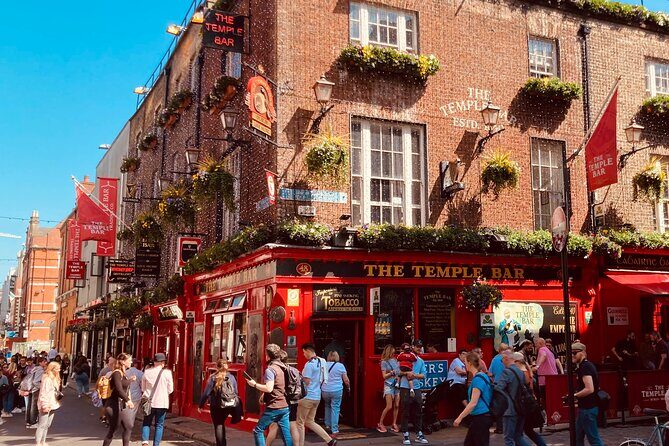
This is the kind of tour that earns its place on day one. In about two hours, you cover a tight slice of central Dublin so the rest of your trip feels more like a choose-your-own-adventure and less like wandering with a map full of question marks.
You’ll walk with a capped group of up to 8, and that matters. Smaller groups make it easier for the guide to tailor the pace and field questions without the whole line grinding to a halt.
Price-wise, $60.47 per person isn’t “cheap,” but it’s fair for what you get: a guided route through major landmarks plus several free stops. You’re paying for interpretation—how the guide connects places, not just for someone to point at buildings.
You can also read our reviews of more walking tours in Dublin


Chester Beatty and Dubh Linn Garden: start where Dublin’s story begins
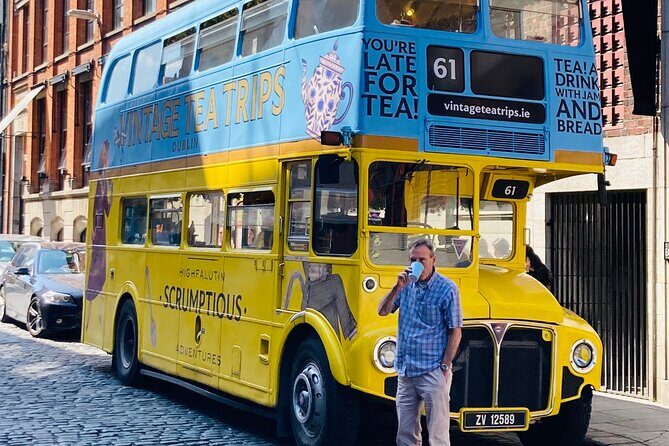
The tour kicks off at Dublin Castle / Chester Beatty Library in the Dubh Linn Garden area behind the castle. The meeting spot is straightforward, which is a small blessing in a city where street signs can be… creative.
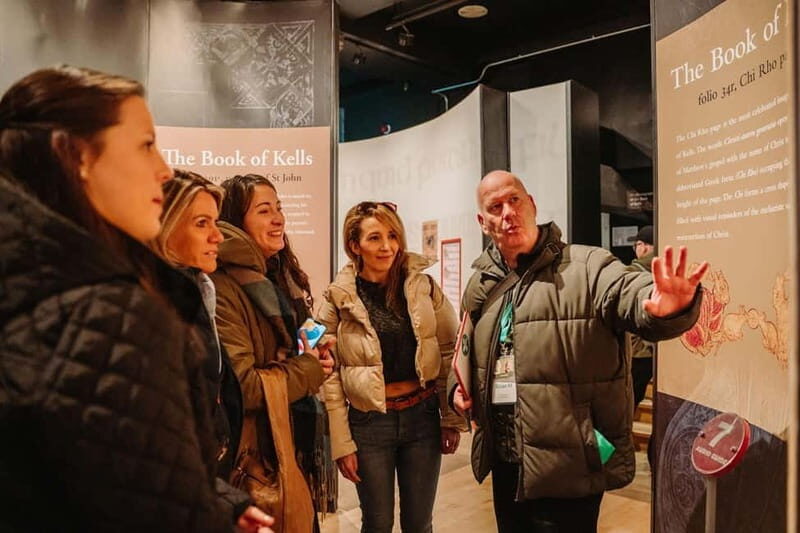
Stop by stop, the guide sets the stage. You’ll get an outline of the walk and then start connecting Dublin to its earliest foundations. The tour focuses on the origin of the name of Dublin and what the setting was like at the beginning of the city’s story.
One reason this start works: Chester Beatty sits in a peaceful pocket, while Dublin Castle’s grounds give you immediate context. You’re learning the “how it all started” part before you hit the busier areas like Temple Bar.
Dublin Castle gardens: where the walking turns into real context
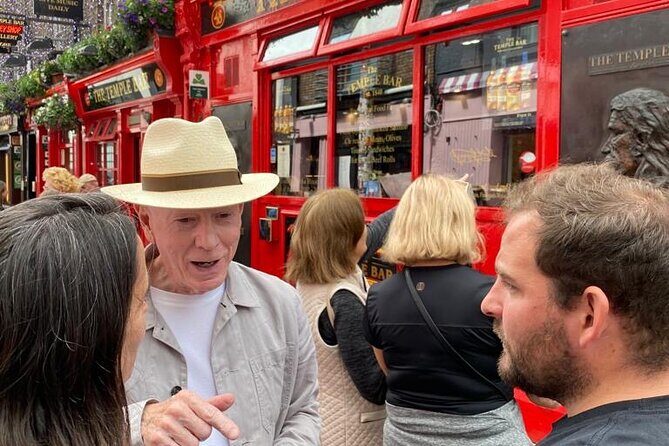
After Chester Beatty, you continue into the castle grounds for another quick look around. The goal here is not a long castle history lecture—it’s the practical kind of understanding: how the early city grew around key sites and how the name and origins tie back to those beginnings.
You’ll likely notice how the guide uses small visual cues: where you’re standing, how the space is laid out, and why certain areas mattered. That’s what turns sightseeing into comprehension.
This is also a good time to get oriented on the broader layout of central Dublin. Even with short stops, you’ll start feeling where everything sits relative to each other.
Christ Church Cathedral: Vikings, the Catholic Church, and Handel’s Messiah
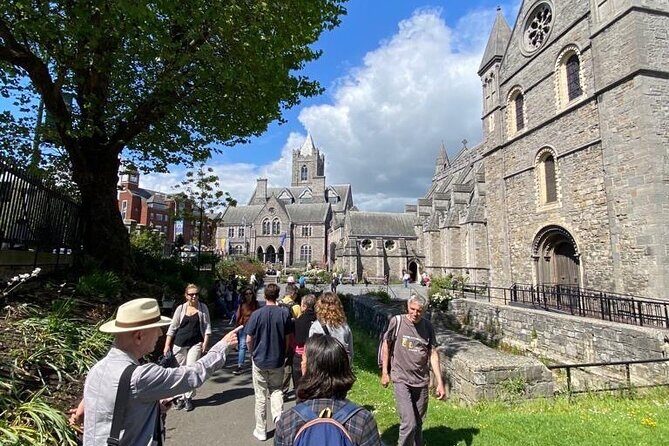
Next up is Christ Church Cathedral area, where the tour passes by and points out key historical threads. You’ll hear about the Catholic Church’s history in Ireland as part of the larger Dublin story, not treated like a separate topic.
A standout detail: the tour includes a reference to a famous performance link—Handel’s Messiah was first performed in connection with this venue. The guide frames it so you understand why this cathedral matters beyond architecture.
The guide also connects Dublin’s early chapters to the Viking invasions from the north and their lasting legacy. If you’ve heard Viking names in passing but never connected them to Dublin’s physical geography, this is where it clicks.
Temple Bar and Ha’penny Bridge: trade routes over the river’s story
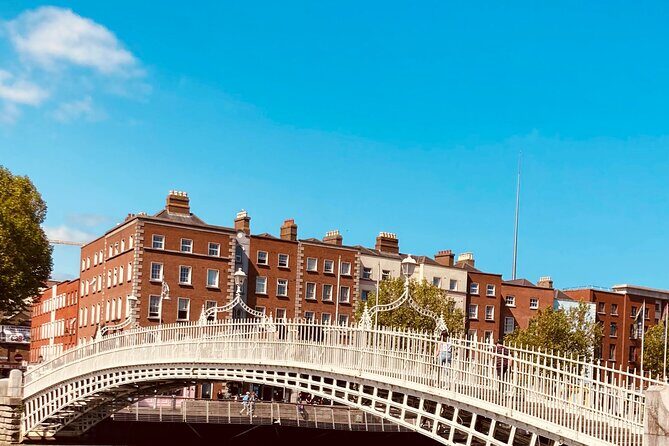
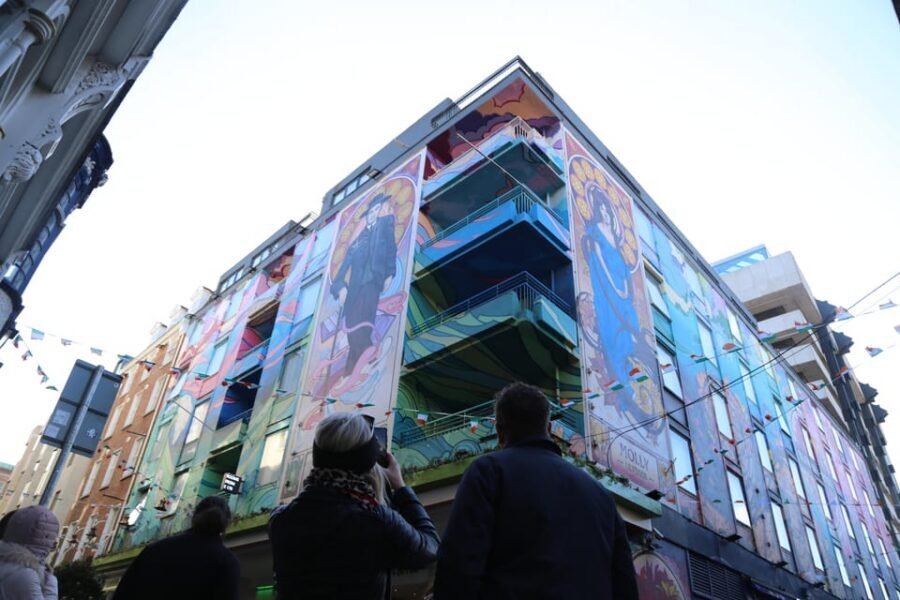
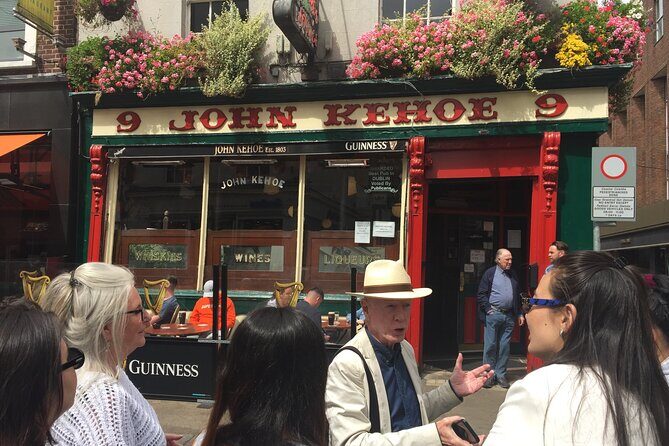
Then the tour moves into the lively heart of Dublin: Temple Bar. This is the nightlife quarter you’ve probably seen in photos, but here it’s treated like more than a party zone. You’ll learn what made this area important and what trade and travel looked like as the city evolved.
You’ll cross Ha’penny Bridge, one of the iconic pedestrian crossings in the center. The explanation focuses on the city foundations and how movement around the town center shaped Dublin over time.
This is a fun section because it balances two moods. You get history, but you’re also in the middle of the city’s real rhythm—music, people, and quick glimpses of street life.





O’Connell Bridge and the Easter Rising viewpoint
Crossing to O’Connell Bridge, you’ll approach the part of town tied to the 1916 Easter Rising. The guide points out the epicentre angle and also shares context about the river Liffey, which is the spine Dublin sort of runs on.
You also get a look at the statue of Daniel O’Connell, an Irish parliamentarian and a key figure the guide ties to the wider story of Irish political life. Even if you’re not a hardcore history person, this stop helps you place major events on the map in your head.
One playful detail you’ll hear about: the famous Liffey Swim. It gives you a modern connection to the river—proof that the Liffey story didn’t stop with centuries-old events.
Trinity College Dublin: a quick courtyard look with names you’ll recognize
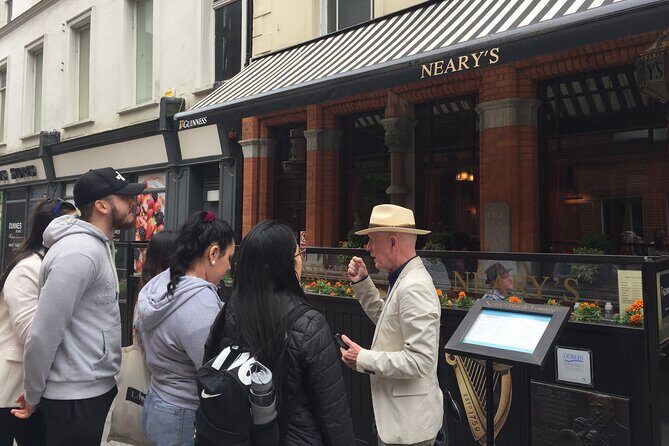
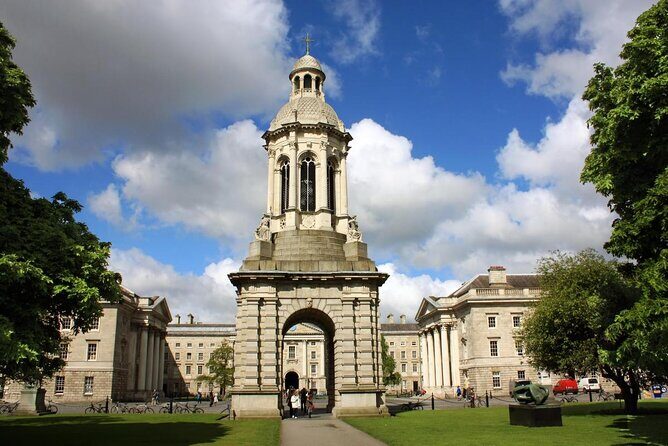
The tour heads to Trinity College Dublin, one of the world’s best-known universities. The stop is short, but it’s purposeful: you’ll view the university as a landmark and hear about well-known historical figures who studied there.
You can enter the courtyard for a brief look at the original architecture. Even a couple of minutes here can be worth it, because it’s one of the easiest places to spot Dublin’s identity in stone and layout.
You’ll also catch a view of Parliament House (House of Lords) along Dame Street. That’s a smart inclusion because it ties the city’s educational power to its political power—both happening in the same central corridor.
St Anne’s Church and Bram Stoker’s Dublin
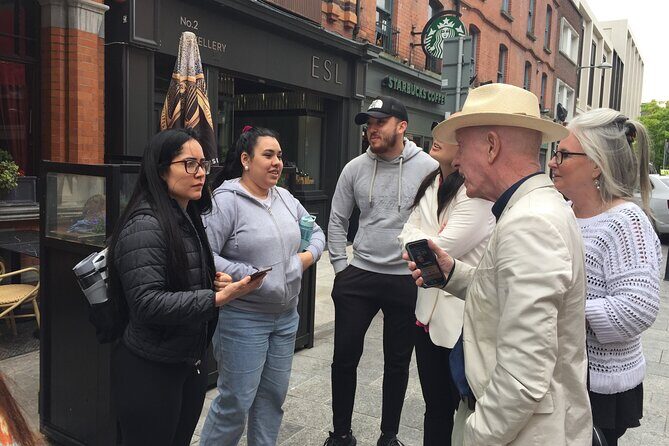
Next is outside St Anne’s Church on Dawson Street, where the guide speaks about the wedding of Bram Stoker, the writer linked with Dracula. This is exactly the kind of stop that makes Dublin feel like a story you can walk through.
After that, the tour moves toward Bewley’s Café on Grafton Street. The walk isn’t about making you buy anything. It’s more about getting you into the same lanes as locals and visitors, so you understand where to head after the tour for coffee or people-watching.
If you like when your city has character—literally in the streets—this part works.
Leinster House and Kildare Street: parliament and the White House link
On Kildare Street, the tour passes by key political and literary landmarks. You’ll hear about Leinster House, home of the Irish houses of parliament, and the guide connects it to global comparisons—there’s also a link explained between Leinster House and the White House in Washington, DC.
The stop also ties in Bram Stoker again through a mention of his association with the area, including the original home of the Dracula writer on this street. Then you pass along the National Museum of Archaeology, giving you a clue about what else you might want to explore if you have extra time.
This section is valuable because it shows you how Dublin layers functions. You’re walking between government, literature, and museum space without realizing how close they are until someone frames it.
St Stephen’s Green: Georgians, Royal College of Surgeons, and a breather in the park
The route moves to St Stephen’s Green, where the pace slightly feels easier because you’re near a real city park. You’ll hear about the famed Grafton Street area too, including the shopping street vibe and the way the district sits in Dublin’s central rhythm.
The tour includes a passing look at Royal College of Surgeons and a glance at Georgian-era architecture. Those short architectural mentions are surprisingly useful later, because you start recognizing styles rather than just seeing pretty facades.
If you’re walking a lot during your trip, this is the type of pause you’ll appreciate. Even without a long sit-down break, it gives your legs and your eyes a reset before the finale.
Powerscourt Townhouse Centre: finishing with architecture and an easy next stop
The walk concludes at Powerscourt Townhouse Centre on South William Street, between South William Street and Clarendon Street. This finish is a smart choice because it’s visually attractive and practical.
The townhouse is described as an architectural highlight, and the building also holds upscale boutique shopping and a café/restaurant in its atrium. So when the tour ends, you don’t have to immediately figure out where to go next—you’ve already landed in a place that works for a snack, a rest, or an extra hour of browsing.
Pace, comfort, and how to get the most from a history-forward walk
This tour is active. Even though the stops are brief, the route adds up, and you’re on cobbles more than once.
Here’s what I’d do to make it easier:
- Wear comfy shoes with good grip on uneven stones.
- Bring water, especially if you’re walking on a warmer day.
- Be ready with questions. The guide’s style is built around interaction, and that’s when the history gets more personal.
One detail that stands out from the guide feedback: Damian comes across as considerate about comfort. That doesn’t mean the walking is gentle, but it suggests the guide pays attention to how people are doing, not just the clock.
Who should book this Dublin walking tour (and who might want a longer one)
This one is ideal if:
- You’re doing Dublin for the first time and want a grounded city orientation fast.
- You like history that’s explained through places, not through endless timelines.
- You want a short outing that still covers big names: Dublin Castle, Christ Church, Trinity, and the parliament area.
It also works well if you’re traveling as a family and want a tour that keeps energy up. The short stops make it easier for kids to stay engaged, especially when the guide adds music and light skits to break up the lecture mode.
If you want long museum-style time inside buildings or you love slow wandering, you might prefer something longer. This route is a sampler, designed to point you toward what you want to explore after.
Should you book Damian Dublin Tours’ Small-Group Dublin Walk?
Book it if you want a clear first pass at Dublin’s center with a guide who connects the dots. For $60.47 and about two hours, you get a tight bundle of free stops, multiple famous landmarks, and “how this city became this city” explanations—without committing to a full day.
Also, the max 8 travelers limit is worth respecting. If your dates are fixed, plan to secure your spot earlier rather than later, since this kind of small-group tour tends to get taken up.
Don’t book it if you’re hoping for lots of inside time or long breaks. This is a walking-and-learning tour, built for momentum. If you’re okay with that trade, you’ll likely leave with Dublin feeling more readable—and more yours.
FAQ
How long is the Dublin walking tour?
The tour runs for about 2 hours.
What is the group size for this experience?
The tour is capped at a maximum of 8 travelers, so it stays small-group and interactive.
Is the tour offered in English?
Yes, the tour is offered in English.
Where is the meeting point, and where does the tour end?
You start at Dublin Castle / Chester Beatty Library area (Castle St, Dublin 2). The tour ends at Powerscourt Townhouse Centre at 59 William St S, Dublin 2.
Are admission tickets needed for the stops?
The stops listed for the tour are marked as admission ticket free.
Are service animals allowed?
Yes, service animals are allowed.
Is there free cancellation?
Yes. You can cancel for a full refund up to 24 hours in advance of the experience start time.