Potatoes, politics, and a slow disaster. This one-hour self-guided Irish Famine Museum experience in Dublin is a focused way to understand the Great Hunger without committing to a full day. I also like that you can book admission in advance and save time when you arrive.
You’ll get a clear storyline with a 15-minute documentary film and hands-on-style elements like period newspapers and museum artefacts. The pacing works well if you want to pause, read, and look again at your own speed.
One watch-out: it’s a pop-up setup in a shopping-centre space, and the room you watch the film in may feel warm, especially if you’re sensitive to temperature or you prefer lots of audio over reading.
In This Review
- Key things to know before you go
- Entering St Stephen’s Green Shopping Centre: the simple shape of the visit
- The Great Hunger story: how the exhibition keeps it understandable
- The 15-minute documentary: the fastest way to orient your brain
- Artefacts and period visuals: what makes the story feel real
- Self-guided pacing: the part you’ll either love or work around
- Price and value: what $18.15 buys you in real terms
- Timing your visit with Dublin: best ways to slot it into your day
- Should you book the Irish Famine Museum in Dublin?
- FAQ
- How long is the Irish Famine Museum / Exhibition Dublin?
- Where does the experience start?
- Is the experience self-guided?
- Is a documentary included?
- Is a ticket required in advance?
- Are translation guides available?
- Are children allowed?
- What dates and hours is it open?
Key things to know before you go
- Self-guided for one hour: you control how fast you move through the exhibition rooms
- 15-minute documentary: short film breaks up the reading and helps you orient quickly
- 19th-century photos plus tangible objects: you’re not only staring at panels
- St Stephen’s Green aerial views: the exhibition ties the story to the local landmark area
- Translation guide options: French, German, Italian, and Spanish are available
- Smallish visitor flow: the experience caps at 90 people
Entering St Stephen’s Green Shopping Centre: the simple shape of the visit

The Irish Famine Museum experience is built like a compact exhibition you can finish without rushing. You start at St Stephen’s Green Shopping Centre by St Stephen’s Green in Dublin, and the activity ends back where you began. That round-trip structure matters. In a city where weather can change fast, having a visit that stays in one place makes planning easier.
This is also a pop-up museum, not a giant, permanent hall. That affects the vibe. You’ll be walking through exhibition rooms on your own, spending time at the panels and artefacts that catch your eye. The setup is “up close and read-your-way-through” more than “sit back and let it happen to you.”
I like that the visit is designed to fit real sightseeing days. With a runtime of around an hour, you can pair it with a stroll in St Stephen’s Green afterward (or before) without losing half a day. If you’re doing museum overload already, this is a good, bite-sized option.
Practical tip: wear layers. Even though you’ll be indoors, one section (the film area) may not be climate controlled, so plan for warm spots. And if you’re traveling with kids, keep expectations realistic: this experience includes a lot of text and will be more meaningful if an adult can help guide the reading.
You can also read our reviews of more museum experiences in Dublin



The Great Hunger story: how the exhibition keeps it understandable
The exhibition tells the story of the Irish Potato Famine, also known as the Great Hunger. The wording and approach are meant to be direct—simple facts, clear cause and effect, and a focus on what led to catastrophe and how people tried to respond.
What I find useful as a visitor is that the exhibition doesn’t treat the famine as a single moment. It builds a chain: agricultural crisis, political decisions, and the slow response that made things worse. You’ll see emphasis on government and landowners, and you’ll also pick up how control and priorities affected the outcome. That’s the kind of context that helps you understand why this period shaped emigration for generations.
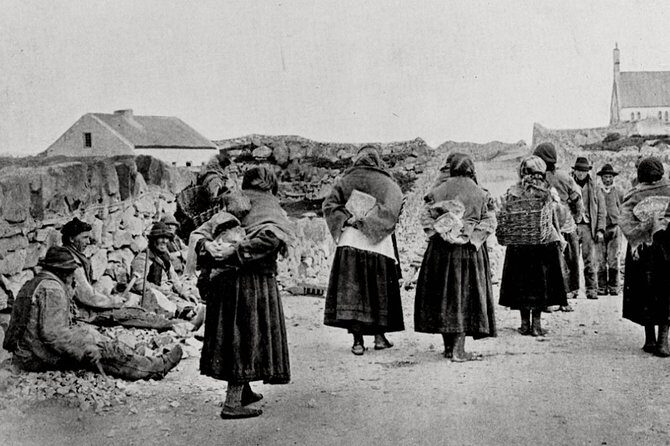
I also appreciate the exhibition’s effort to include visual evidence alongside written explanations. The materials are supported by many 19th-century photos and period items. That matters because famine history can feel abstract until you see what life looked like and what people recorded at the time.
Another detail that helps: the exhibition uses a mix of museum artefacts and newspapers rather than relying only on modern interpretive text. You’ll also notice that the overall amount of text is kept limited. That can be a blessing if you prefer visuals, and it can also be a drawback if you want deeper chapters in audio or hands-on format.
In other words, this is not a “press play and forget it” museum. It’s an “invest a focused hour” museum. If you’re okay reading short sections and using your own pace, you’ll get more out of it than you expect.
The 15-minute documentary: the fastest way to orient your brain
The exhibition includes a short documentary film—about 15 minutes. It’s the main audiovisual component, and that’s an important expectation-setting point.
If you want a quick framework, the film helps. It gives you a narrative spine so the surrounding panels and objects make more sense. If you’re the type who reads a few labels and then wants to see how a story is assembled, this film is doing exactly that job: it breaks the session into two modes—watch for orientation, then walk for details.
But this is also where you should plan around comfort. The film area can be warm, and the overall space may not feel like a modern museum theater with strong climate control. Bring water if you run hot, and consider positioning yourself where you won’t be stuck in the warmest spot.
Timing-wise, you don’t need a strict plan. You’ll naturally move between rooms and the film when it fits your rhythm. Since the visit is self-guided, you’re free to start with the documentary or work your way through the text first, whichever helps you learn best.
One more thing: because the film is short, it doesn’t replace the rest of the exhibition. Think of it as a compass, not the whole map. The exhibition’s real substance is what you read and look at around it.
Artefacts and period visuals: what makes the story feel real
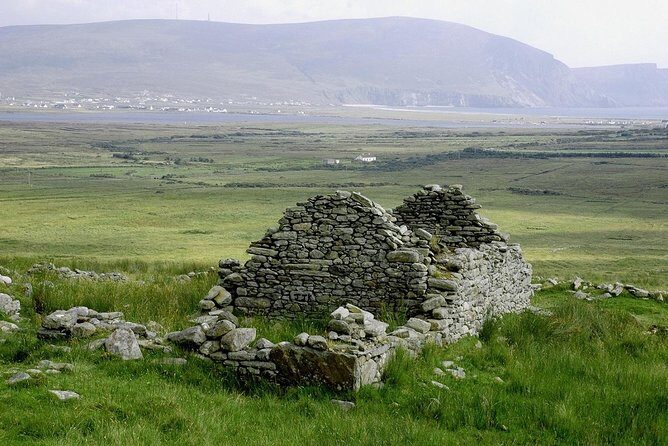
What makes this experience more than generic history facts is the way it uses physical artefacts and period imagery. You’ll see items like an original soup pot—small, believable, and very hard to ignore once you notice it. That kind of object does something text can’t. It turns the famine into something touchable, not just dates and policy.
You’ll also encounter period newspapers. That adds texture. You start to see how information, propaganda, concern, and public reporting worked in the time period. Even when a headline isn’t your focus, newspapers help you understand that famine was discussed in real language, not only explained later by textbooks.
Then there are the many 19th-century photos. Photos do two jobs at once: they show scale and they show people. They help you track the difference between a crop failure and a humanitarian disaster—and why the social impact spread so widely.
A helpful design choice here is that the museum tries to limit text while including many visuals. If you’re traveling with limited attention for long reading sessions, that balance can feel fair. If you’re hoping for lots of guided audio or interactive screens, you’ll want to know this is more of a read-and-look exhibit than a high-tech one.
Bottom line: you’ll feel the story more if you slow down and actually look at the objects and photos. Spending a few extra minutes at the soup pot and nearby panels can make the rest of the session click.
Self-guided pacing: the part you’ll either love or work around
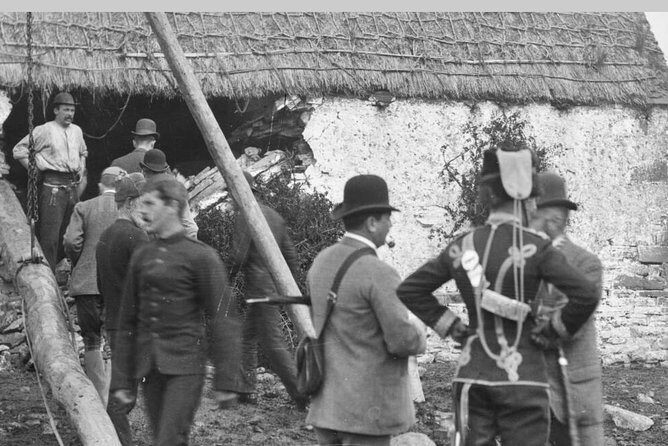
This is self-guided. No set group tour rhythm. That’s a strong advantage, especially if you’re traveling with family or you learn at your own pace. You can spend longer on the panels that matter to you and skim what feels repetitive.
It’s also a good choice for people who don’t want an appointment-time experience. You get a visit length of about an hour, so you won’t feel dragged through a long program.
Still, there’s a trade-off. Because the structure is mostly walking around and reading posters, it’s not ideal if you dislike reading or if your group needs constant audio storytelling to stay engaged. If your goal is to learn through narration and you’re not interested in labels, you might feel like you’re doing museum chores instead of getting swept away.
Climate comfort can add to this. If the film space is warm, you may need to decide whether to sit longer for it to sink in or treat it as a quick orientation clip and then move on fast.
For families: kids will likely have a different experience depending on how the reading is handled. A short documentary can help kids connect the dots quickly, but the rest of the exhibition still asks you to read.
For solo visitors: self-guided pacing is great. You can pause, return, and link objects to labels without feeling like you’re behind a group.






Price and value: what $18.15 buys you in real terms
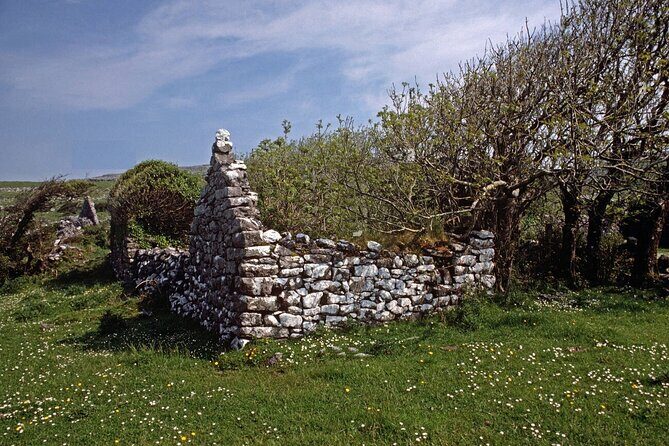
At about $18.15 per person, this museum is priced for a focused, entry-ticket style experience. What you’re buying is an hour-long exhibition with admission included, plus a short documentary and access to artefacts and visuals.
The value comes from structure. It’s not trying to replace a day of museums, and it doesn’t ask you for a major time investment. You also get the practical benefit of booking admission in advance, which helps you avoid standing around when you arrive.
Is it expensive for what it is? It can feel that way if you want a full guided tour with lots of audio or interactive elements. But if you go in knowing it’s a compact pop-up exhibition with limited audiovisual support, the price starts to make more sense. You’re paying for a clear, curated presentation of a major historical event, in a location that’s easy to fit into a Dublin day.
The other value angle is translation support. A translation guide is available in French, German, Italian, and Spanish. That can significantly improve comprehension, especially for visitors reading English more slowly.
If you want something to take home, a book of the exhibition may be purchased on-site. That’s worth noting if you want to keep learning after the hour ends.
Timing your visit with Dublin: best ways to slot it into your day
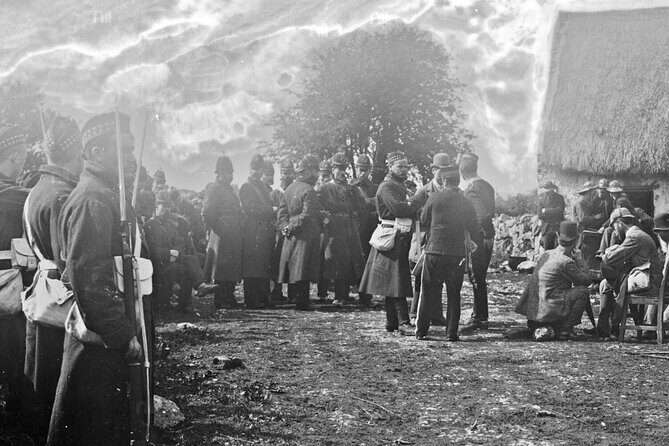
St Stephen’s Green is one of those anchors in Dublin where you can build a day around a clear landmark. Since this museum starts and ends in the shopping centre near the park, you can treat it as a history stop in the middle of an easy walk loop.
Opening hours run daily from 12:00 PM to 6:00 PM during the period shown (from 04/01/2026 through 09/30/2026). Because the session is about an hour, you’ll want to plan your arrival so you’re not stressed about the end time. A relaxed target is to arrive with enough buffer to use your hour fully, including time for the documentary.
If you’re balancing multiple stops, think about mood. The famine topic is heavy, and this is not a cheerful museum. Pair it with something that helps you decompress afterward—like a park stroll—rather than trying to chain it back-to-back with another emotionally intense site.
Also, since it’s near public transportation, you can weave it into an itinerary without a lot of taxi time or tricky cross-city logistics. The visit cap of 90 people means it’s unlikely to feel like a packed rush, especially compared with larger attractions.
For comfort: because it’s a pop-up and not fully climate controlled, plan around temperature. If it’s a hot day, schedule it earlier in your afternoon when you still have energy.
Should you book the Irish Famine Museum in Dublin?
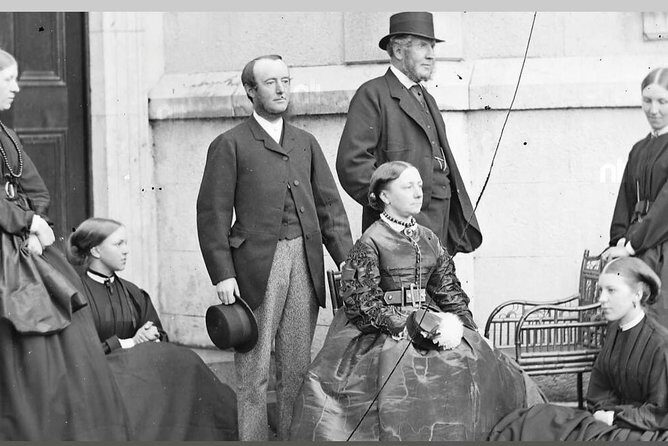
Book it if you want a short, serious, self-paced way to understand the Irish Potato Famine, especially if you prefer learning through photos, period objects, and reading rather than lots of guided narration.
Skip or reconsider if you strongly dislike reading in museum rooms or if you need climate-controlled comfort throughout. The film is only 15 minutes, and the exhibition is built more for walking and absorbing than for high-tech storytelling.
One smart move: go in with one question in mind, like what caused the disaster to worsen or how political choices affected ordinary people. Then spend your hour looking for the supporting panels and artefacts that answer that question. You’ll leave with more than just facts—you’ll have a clearer sense of cause, timing, and consequences.
If that kind of focused, humane history stop sounds like your style, this is an easy yes for a Dublin day.
FAQ
How long is the Irish Famine Museum / Exhibition Dublin?
It takes about 1 hour (approximately).
Where does the experience start?
It starts at St Stephen’s Green Shopping Centre, St Stephen’s Green, Dublin (D02 HX65, Ireland).
Is the experience self-guided?
Yes. You explore at your own pace.
Is a documentary included?
Yes. A short documentary film is included and runs about 15 minutes.
Is a ticket required in advance?
Admission can be booked in advance, and a mobile ticket is offered.
Are translation guides available?
Yes. A translation guide is available in French, German, Italian, and Spanish.
Are children allowed?
Children must be accompanied by an adult.
What dates and hours is it open?
It’s scheduled from 04/01/2026 to 09/30/2026, Monday through Sunday from 12:00 PM to 6:00 PM.