REVIEW · DUBLIN
Historical Walking Tour of Dublin
Book on Viator →Operated by My Journey Ireland · Bookable on Viator
Dublin’s 1916 story walks right up to you. This Historical Walking Tour of Dublin keeps the focus on real places tied to the Easter Rising, then adds an Irish-studies anchor with Trinity College. I like how easy it is to find the start and finish, plus the small-group cap of 15 makes it feel friendly instead of rushed. One thing to plan for: admissions to big-ticket stops like Trinity and others are not included, so you’ll want a little extra cash.
The tour runs about 1 hour 45 minutes and uses a mobile ticket, so you can keep things simple. It’s in English, near public transportation, and service animals are allowed. The vibe is “walk, learn, ask questions,” and the best part is that the tour gives you a strong backbone for the day even if you decide to add optional museum time on your own.
Here’s the trade-off: the schedule is tight, with short stops at key sites. You’ll get the historical storyline, but you may not have long inside any buildings unless you plan to pay separately. If you’re the type who wants to read every plaque slowly, you’ll probably want to come back later.
In This Review
- Key highlights worth your attention
- Price and value: what $32.44 really covers
- Meeting at the Spire and ending at Ha’penny Bridge Inn
- Stop 1: The GPO and the real nerve of the Easter Rising
- Stop 2: Trinity College at College Green and the Book of Kells game plan
- Stop 3: Dublin Castle and what power meant in 1916
- Small-group pacing: why max 15 changes the feel
- The guide style that shows up in real-world reviews
- What to bring so the day runs smoothly
- Who this Dublin historical walk fits best
- A fair caution: what the short stops mean for you
- Should you book this Historical Walking Tour of Dublin?
Key highlights worth your attention
- Easter Rising focus at the GPO with context you can actually place on the map
- Trinity College timing at College Green, with a direct path to the Book of Kells plan
- Dublin Castle context tied to what was happening in 1916
- Max 15 people for a more conversational walk (not a lecture hall)
- End right by Ha’penny Bridge Inn so your next step is easy
- Admission tickets not included, so bring extra cash for any paid entry you choose
Price and value: what $32.44 really covers
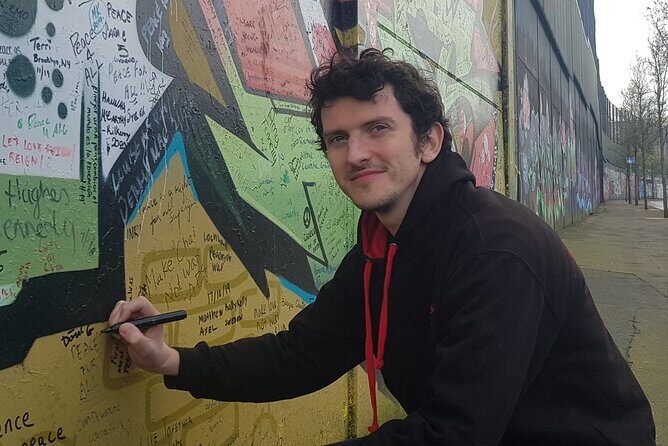
At $32.44 per person for about 1 hour 45 minutes, this tour is priced like a guided “core sights” walk. You’re paying mostly for a guide, a logical route through central Dublin, and the storytelling that connects the GPO, Trinity College area, and Dublin Castle to the Easter Rising.
What you should not assume is that the ticket price covers every major admission. The tour explicitly notes that admission tickets are not included at the stops where entry is usually something you pay for. That means the best value for your money comes when you think of this as your guided briefing, then decide on paid entry based on your interests and time.
A smart way to budget: set aside a small amount for Trinity and any other paid access you want. If you’re trying to keep costs down, you can still enjoy the narrative walk by focusing on what’s outside and the historical framing you get from the guide.
You can also read our reviews of more walking tours in Dublin



Meeting at the Spire and ending at Ha’penny Bridge Inn
The route is designed to be low-stress. You start at The Spire on O’Connell Street Upper in North City, with the tour beginning at 1:00 pm. That’s a big deal in Dublin, where central streets can feel like a maze when you’re tired or carrying bags.
You finish at Ha’penny Bridge Inn at 42 Wellington Quay, right next to the famous Ha’penny Bridge in Temple Bar. This matters because you’re not ending in some far-off corner where you have to figure out your next move. You end where you can keep your day moving—grab a snack, plan dinner, or just sit for a minute after a solid walking stretch.
Stop 1: The GPO and the real nerve of the Easter Rising
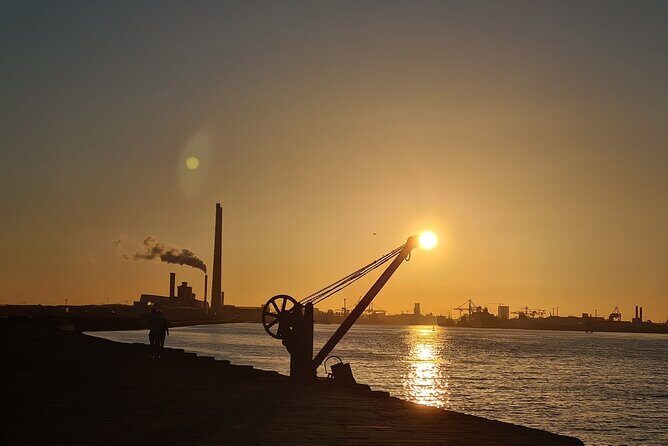
Your first stop is An Post General Post Office (GPO), which served as the central HQ during the 1916 Easter Rising. This is where the tour sets the theme, and it’s a strong choice: if you only visit Dublin’s “famous buildings,” you still end up missing the dramatic reason they matter. Here, the guide ties the buildings to decisions, people, and timing.
Expect a clear storyline around the rebels and their goals for an Irish Republic, along with the reality that the uprising faced fierce resistance. The GPO isn’t just described as an old postal building; it’s explained as the focal point of an armed, symbolic act. That context changes how you look at the place.
Also, note the practical part: the stop comes with admission ticket not included. The tour time at this stop is listed at about 10 minutes, so you’ll get the key idea quickly. If you want deeper access, plan to pay separately if the site has paid options during your visit.
Stop 2: Trinity College at College Green and the Book of Kells game plan
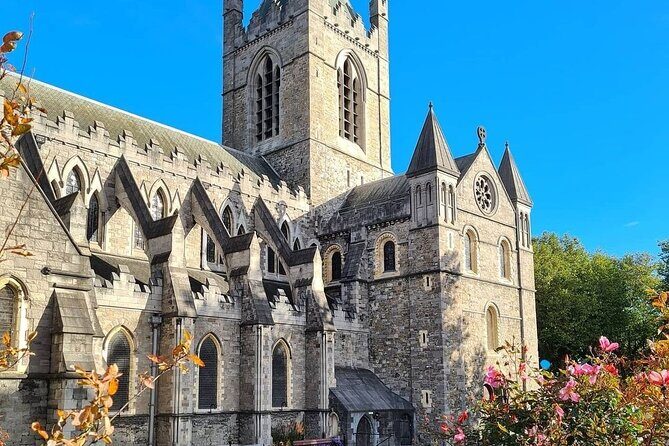
Trinity College Dublin is the tour’s “academic anchor,” and it’s a great pivot from political history. You stop near College Green, and the focus is on the history of Ireland’s oldest university, plus what makes Trinity a cultural destination.
Here’s the key detail to pay attention to: the tour highlights seeing the Book of Kells in the Long Room. But the schedule also notes admission tickets are not included, and the itinerary description emphasizes a stop outside at College Green to go through history. Translation: this is where you decide what you want to do with paid entry.
If the Book of Kells is on your list, this stop should help you time it intelligently. You’ll get the background on why Trinity is famous, what the Long Room is, and why people line up to see those manuscripts. Then you’re in a better position to decide whether to:
- add paid entry during your same day, or
- leave it for another time when you can spend longer
If you’re traveling with limited time, the payoff here is that you don’t waste your first Trinity impressions. You arrive with the story already in your head, instead of walking into it cold.
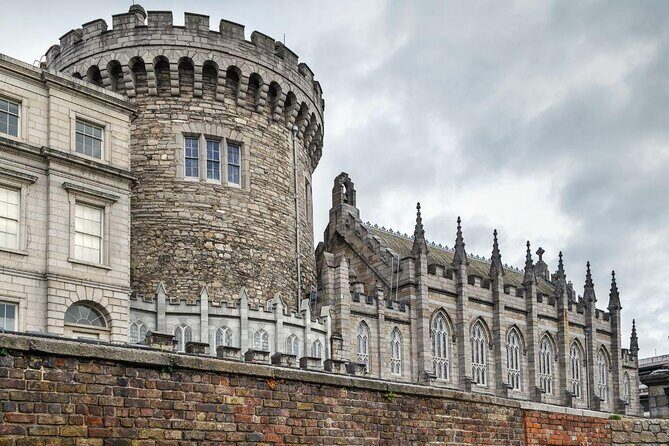
Stop 3: Dublin Castle and what power meant in 1916

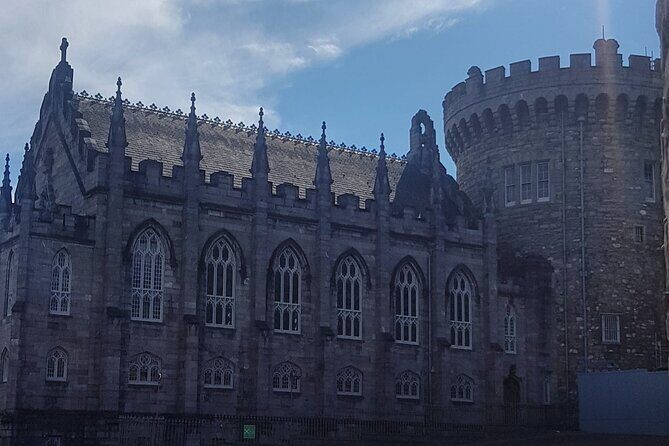
Your third stop is Dublin Castle, another site tied to government and authority. This part of the walk is about connecting the building to its role in the city during the years leading into the 1916 rebellion, and explaining why those places mattered to both sides.
What I like about this stop is the way it completes the triangle:
- GPO gives you the rebels’ symbolic and strategic center
- Trinity (in the tour’s framing) adds depth to Irish identity and institutions
- Dublin Castle provides the “other side” of power and administration
As with the other stops, the listed time is short, and admission tickets are not included. So treat it like a guided interpretation moment. If you want to see rooms and exhibitions in depth, budget separate time and money. If you just want the storyline and to keep moving, you can still get a lot from the outdoor and interpretive explanation during the walk.
You can also read our reviews of more historical tours in Dublin



Small-group pacing: why max 15 changes the feel

This tour caps at 15 travelers, and that’s not just a comfort detail. It affects what you’ll actually experience while walking through tight central streets.
With smaller groups:
- it’s easier to ask questions without waiting for a microphone moment
- the guide can adjust pace when someone’s curious
- you’re less likely to feel like you’re being herded from stop to stop
The tour also starts and ends in a way that makes the day feel tidy, which matters when you’re traveling with kids, older relatives, or anyone who gets cranky if plans stretch too long.
And the time length—about 1 hour 45 minutes—is long enough to tell a story, but short enough that you still have room to explore on your own after.
The guide style that shows up in real-world reviews

A big reason this tour is rated extremely high (it’s sitting at 4.9 from 50 reviews) is the guide’s delivery. The name that keeps coming up is Donal, and multiple accounts describe him as funny, quick with context, and open to questions.
You’ll likely notice a more personal, street-level tone than you’d get from a dry audio guide. Some reviews also mention extra touches like advice on where to eat and pub suggestions, and even a memorable moment around Guinness pouring at a pub after the walk. That kind of add-on isn’t guaranteed as part of the core itinerary, but it fits the overall pattern: history plus Dublin-style fun, without losing the thread of what matters.
Also, the tour timing in the afternoon is useful. Starting at 1:00 pm gives you enough morning freedom to see Trinity on your own schedule—or grab lunch before the walk—then return to paid sites or pubs after.
What to bring so the day runs smoothly
Because admission tickets are not included, the #1 thing you should bring is practical money for entry fees. If you’re planning to see the Book of Kells in the Long Room, add that cost to your mental budget.
After that, bring:
- Comfortable walking shoes (central Dublin sidewalks add up fast)
- A charged phone for your mobile ticket
- A small amount of extra cash for any paid entry you decide to add quickly
If you like interaction, come ready with one or two questions. A smaller group means your curiosity is more likely to get answered in real time, not later.
Who this Dublin historical walk fits best
This is a strong match for:
- first-time visitors who want a focused Dublin intro without bouncing between too many unrelated sights
- people who want the 1916 Easter Rising story tied to the buildings you’ll actually see
- travelers who prefer a small-group pace and a guide who can answer questions
- anyone who wants to end near Ha’penny Bridge so the rest of the day stays easy
It’s also a good pick if you’re traveling with mixed ages. The route is central and the group size is small, which usually works better than huge bus-style tours when schedules vary.
A fair caution: what the short stops mean for you
The main drawback is built into the format: the tour assigns about 10 minutes to each major site. That’s enough time to understand the storyline, but it may not be enough for people who want to slow down and read everything.
And because admission isn’t included, you might finish the walk with the feeling that you’ll want to go back for paid entries (Trinity in particular, if the Book of Kells is your top priority). If that’s your style, consider planning separate time after the tour rather than trying to squeeze everything into the same window.
Should you book this Historical Walking Tour of Dublin?
Book it if you want an efficient, story-driven walk that links the GPO, Trinity College area, and Dublin Castle to the Easter Rising, with a max 15 group and a friendly guide like Donal. It’s especially worth it when you like learning the “why” behind major landmarks, not just collecting photos.
Skip it only if you want long museum time at each site right on the itinerary. Since admission tickets aren’t included and the stop durations are short, this works best as your guided backbone, then you decide what to pay for next.
If you’re aiming for a first or second-day Dublin plan—where you want the city to make sense—this is a solid, good-value choice.