REVIEW · DUBLIN
Dublin Highlights: 2.45-Hour Walking Tour in Italian
Book on GetYourGuide →Operated by A SPASSO PER DUBLINO - TOUR A PIEDI · Bookable on GetYourGuide
Dublin clicks when you hear it in Italian. This 3-hour walking tour strings together key sights with clear story links—from early St. Patrick legends to the city’s modern punch—and you’ll walk away with practical pointers for the rest of your stay. I like that it hits big monuments without making you memorize dates all day.
One thing to watch: the guide speaks Italian, so if you’re not comfortable catching details in that language, you’ll need to rely on your own pace and visual cues more than on the narration.
In This Review
- Key highlights that make this tour worth your time
- Getting oriented at Henry Grattan Monument and Trinity College
- Molly Malone, Dublin Castle, and the political story up to 1921
- St Patrick’s Cathedral and Christ Church Cathedral: reading the facades
- Temple Bar: where history walks into nightlife
- Crossing the Liffey on Ha’penny Bridge and spotting the GPO
- Finishing at the Spire of Dublin on O’Connell Street
- Price and value: what $28 buys you in real terms
- Who should book this Italian walking tour (and who shouldn’t)
- Should you book this Dublin highlights walk?
- FAQ
- What language is the tour guide?
- How long is the walking tour?
- Where does the tour start and where does it end?
- Are entrance fees included?
- What discounts are included with the tour?
- Is the tour suitable for wheelchair users?
Key highlights that make this tour worth your time
- Trinity College area start at the Henry Grattan Monument, so you get grounded fast
- Molly Malone stories before you move into the heavy history of Dublin Castle
- St Patrick’s and Christ Church Cathedral facades explained in human terms, not just dates
- Temple Bar stops paired with real-life pub guidance and live music tips
- Ha’penny Bridge (Liffey) plus a smart look at the General Post Office area
- Finish at the Spire of Dublin with day-trip ideas to plan next
Getting oriented at Henry Grattan Monument and Trinity College
You start at the Henry Grattan Monument, right in front of Trinity College on College Green. That location matters. Trinity is one of the anchors of central Dublin, and starting there puts you in a good “map mindset” from the first minutes. You’re not wandering off into the city hoping things line up. The tour builds a route that keeps you oriented as the stories shift.
From the start, the guide’s job is to connect Dublin’s present-day streets to the city’s longer arc. You’ll hear about how Dublin grew from early religious legend into a capital shaped by politics, power, and everyday life. If you’re the type of traveler who likes to understand why landmarks sit where they do, this beginning makes the rest easier.
Another plus: it’s a walking tour format, so you’re learning while you’re moving. That matters in Dublin, where streets can look close together until you know what’s worth slowing down for. After a tour like this, you’ll usually feel like you can navigate the center with confidence—especially around the Liffey area later on.
You can also read our reviews of more walking tours in Dublin
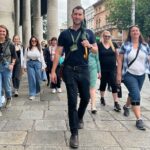

Molly Malone, Dublin Castle, and the political story up to 1921
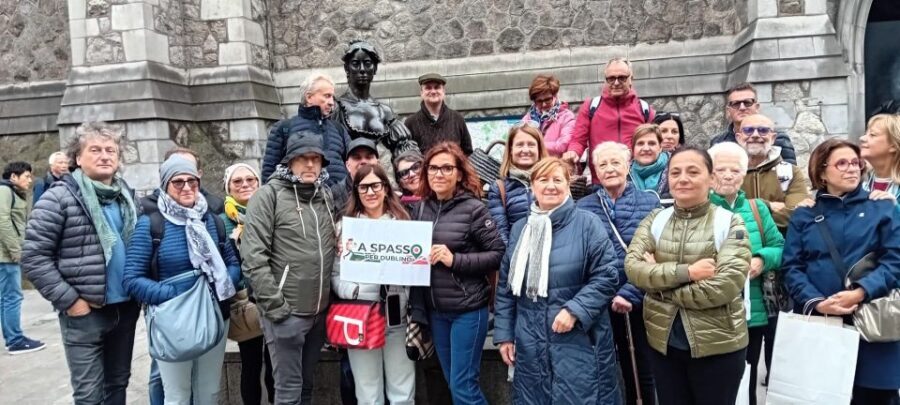
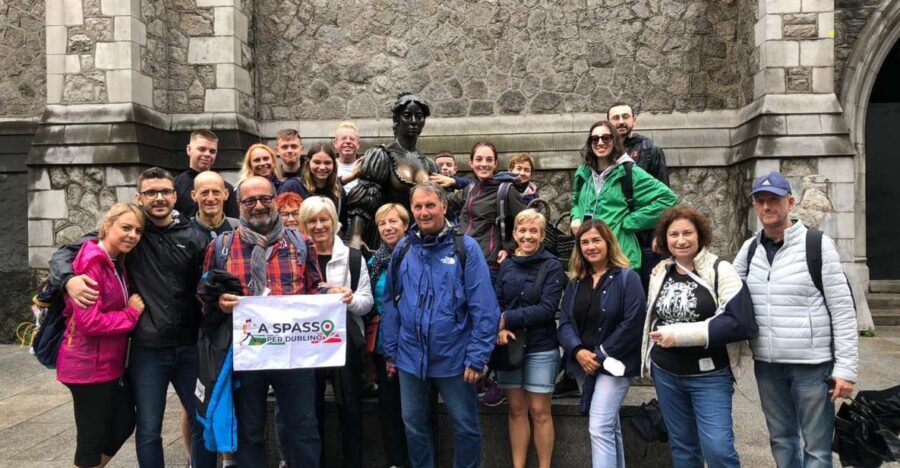
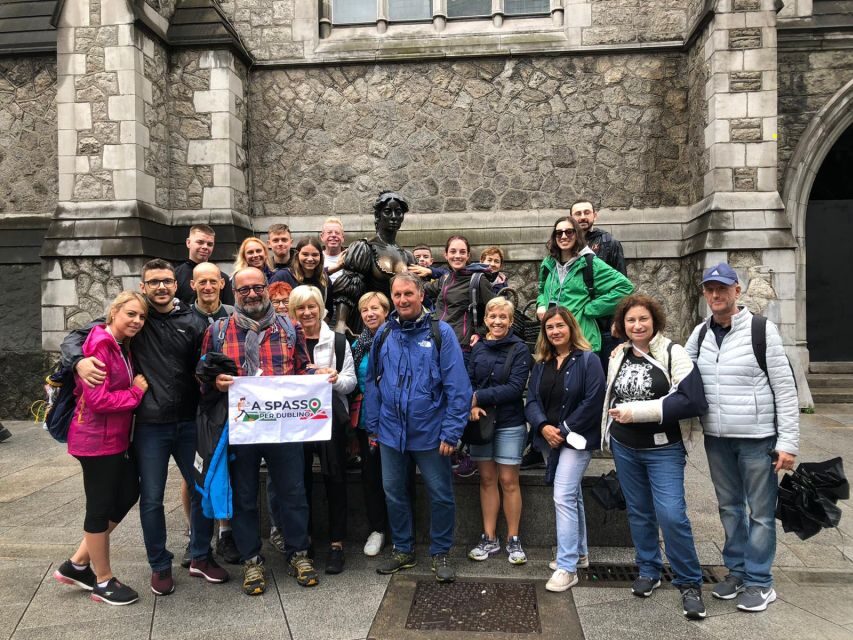
The next stop is the Molly Malone Statue, a quick-but-important cultural stop. Molly Malone is one of those Dublin figures people mention again and again because she represents the city’s everyday voice—street life, work, hustle, and the little legends that stick. You get the legend before you start stepping into more formal power architecture.
Then you walk toward Dublin Castle. This is where the tour’s political thread becomes clear: the British controlled Ireland from the castle until the signing of the Anglo-Irish Treaty in 1921. That time marker is built into the narration, so you don’t just see the building—you understand why it matters in the story of Ireland’s capital.
Dublin Castle also works well as a mental reset. If your mind is still on busier pub streets, this stop shifts you back to how central authority shaped daily life. Even if you skip entrance tickets during the walk (entrance fees aren’t included), you can still get value from the outside perspective and the guided context.
Practical takeaway for you: once you know where the “power story” sits, you can better judge what you see later—why the city’s monuments feel like they’re communicating with each other, not just standing there.
St Patrick’s Cathedral and Christ Church Cathedral: reading the facades
Two cathedral stops come in sequence: St Patrick’s Cathedral and Christ Church Cathedral. These are the kind of monuments that can feel overwhelming if all you do is glance at the front. The guide’s focus is on helping you “read” what you’re looking at, with emphasis on the impressive facades.
St Patrick’s Cathedral is often treated as a symbol people point to quickly. Here, you get context that connects the cathedral idea to older traditions in Ireland—so it feels less like a photo-op and more like part of the city’s identity. The tour also mentions the story of St Patrick arriving to evangelize to the pagans. Whether you view the legend literally or just as part of Ireland’s storytelling, it helps explain why religion and Irish identity are tied together so tightly.
Then comes Christ Church Cathedral. Together, these two stops give you a sense of how Dublin held multiple layers of influence, belief, and community life. The tour keeps you moving through the center rather than treating each cathedral as a separate day project. If you’re trying to fit Dublin highlights into a tight schedule, that pacing is useful.
One consideration: cathedrals can be chilly and can involve crowds depending on time of day. Since entrance fees aren’t included, your best strategy is to bring shoes that can handle short stops and longer sidewalks without fatigue.
Temple Bar: where history walks into nightlife
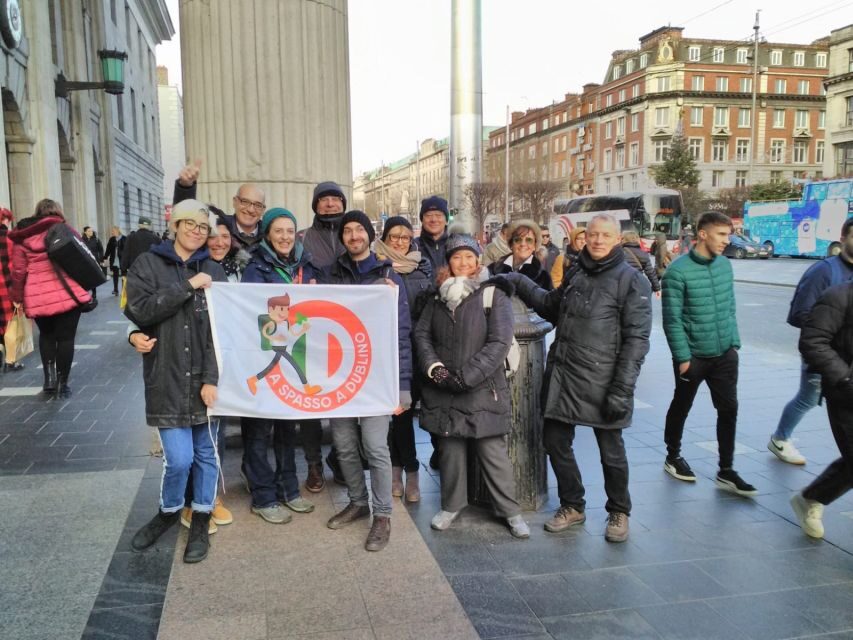
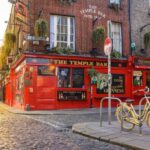
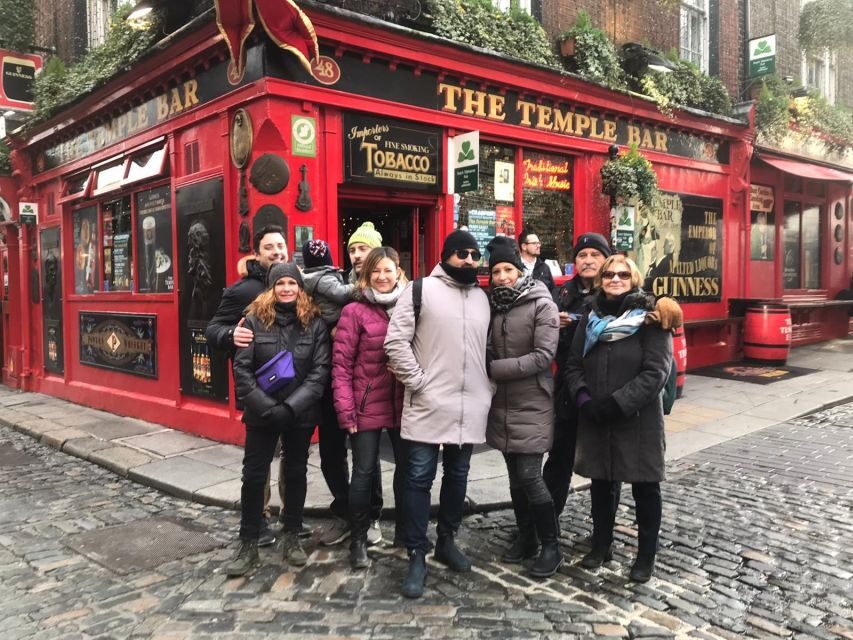
Next is Temple Bar, Dublin’s entertainment district. This is where the tour shifts tone without losing direction. You still get history in the mix, but the emphasis becomes how the city actually feels at street level.
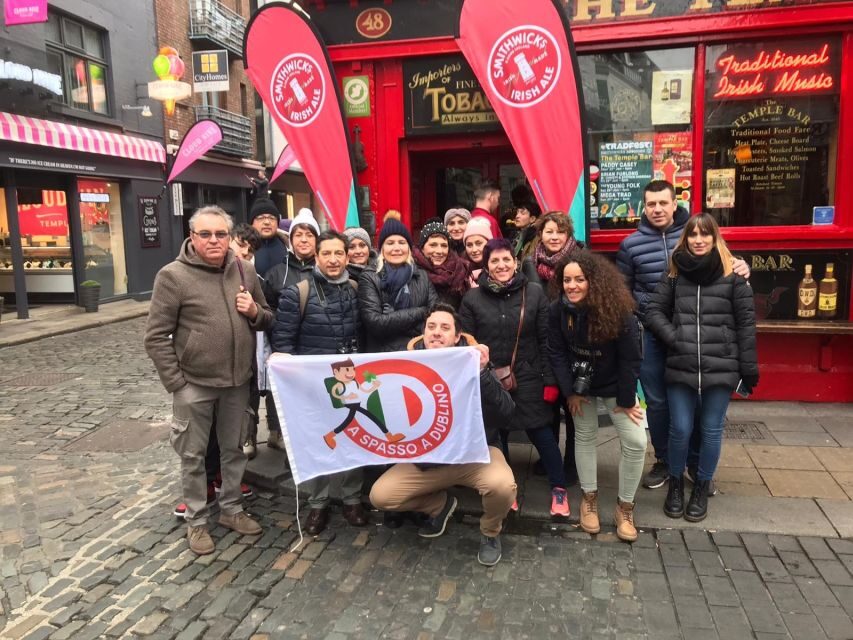
Temple Bar can be touristy if you don’t know where to look. The guide’s value is that you’re not just dropped in the middle and told to figure it out. You get insider tips on things like where to eat a tasty Irish stew, where to listen for live music, and how to find good pubs along the way.
That kind of advice is practical because Dublin’s food and nightlife scene changes block to block. A few streets can mean a big difference in price, energy, and whether you’ll actually hear live music nearby. So when you reach Temple Bar during your first day, you’re setting yourself up for better nights later.
Also, since the tour is only about 3 hours total, Temple Bar is timed like a “gear change.” You’ll likely leave it energized, with a short list of places to check instead of guessing.
Crossing the Liffey on Ha’penny Bridge and spotting the GPO
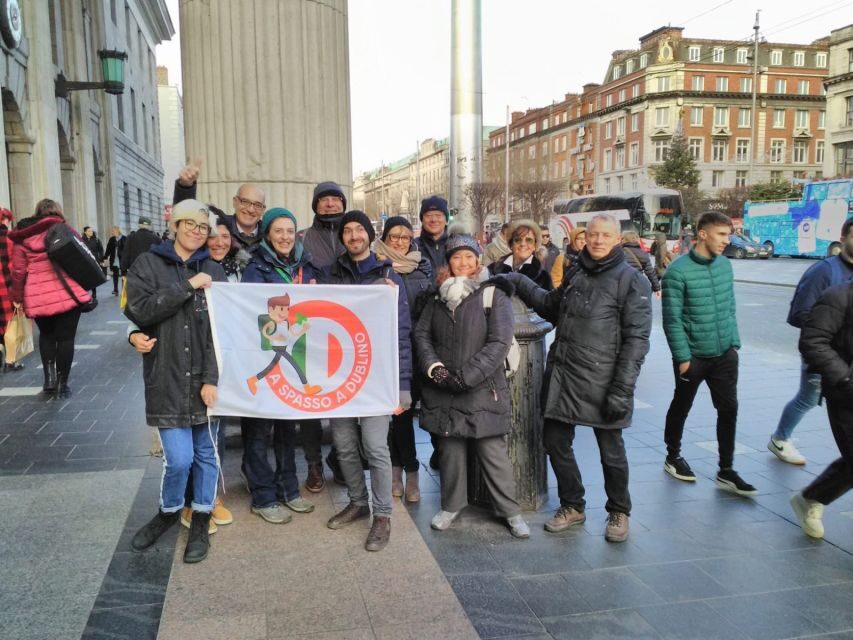
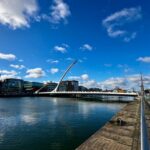
The tour then sends you across the Liffey Bridge, locally known as the Ha’penny Bridge. If you’re into walking routes that feel iconic, this is a smart move. Crossing the river gives you immediate contrast: the city doesn’t just look different, it reads differently once you understand which side held what kinds of power and institutions.
On the north side, you’ll get guided attention to significant spots from Ireland’s history, including the General Post Office (GPO). The GPO is one of the last Georgian buildings built in the capital, and that detail matters. Georgian architecture isn’t just a style here; it’s also a clue about the era when Dublin was being shaped by a specific kind of urban thinking.
This part of the tour is also a good moment to pause mentally and take in scale. Dublin center can feel compact, and the river crossing helps you reset your bearings. You’ll also be better prepared for later self-guided walks, because you’ll know what to look for when you circle back.





Finishing at the Spire of Dublin on O’Connell Street
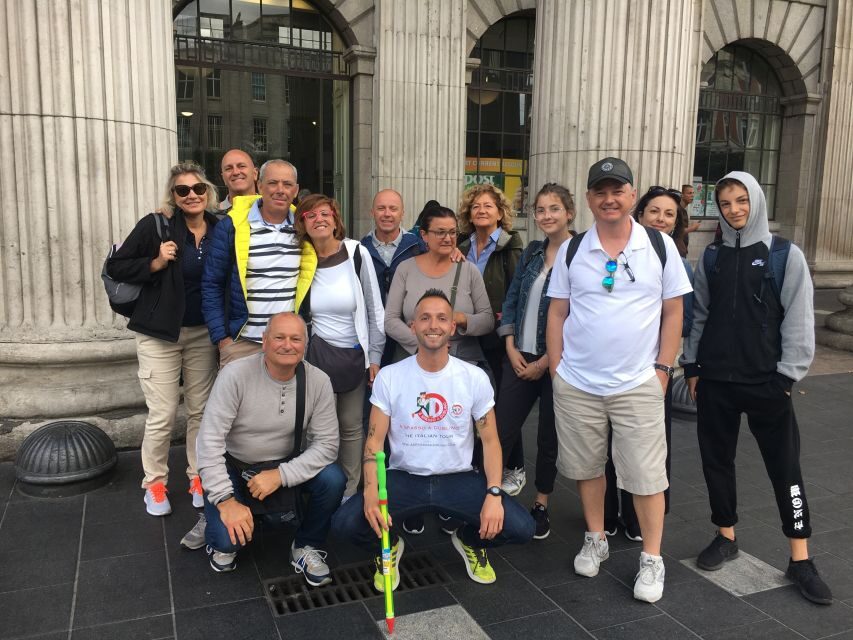
The walk ends at the Spire of Dublin monument on O’Connell Street. Ending here is helpful because it sits in a major artery of central Dublin. Even if you’re not sure where you’ll go next, you’ll know you’re in the right zone to connect to transit, food, and other sightseeing.
There’s also an extra planning perk: at the end of the tour, you get the chance to book day trips from Dublin to major attractions such as the Cliffs of Moher, Giant’s Causeway, Howth, Galway, Connemara, Cork, Blarney Castle, Belfast, and Newgrange. This isn’t a small bonus if you only have a few days, because it turns your first evening into a decision-making moment instead of a last-minute scramble.
After a history-focused walk, the Spire finish works because it’s modern and clean-lined. It feels like the city shifting from past to present, which matches the tour’s arc from legends and power buildings to contemporary streets.
Price and value: what $28 buys you in real terms
At $28 per person for about 3 hours, this tour sits in the “do it on Day 1” category. The cost only makes sense if you use it to solve problems that self-guided strolling usually creates—like not knowing which landmarks actually connect, and how to turn a bunch of photos into an understanding of the city.
Here’s what you’re getting for your money that’s not just walking:
- Italian-language guidance that ties legends to key monuments
- A route that hits major landmarks, including Trinity College area, Dublin Castle, both cathedrals, Temple Bar, Ha’penny Bridge, and the GPO area
- Insider tips for where to eat (like Irish stew), where to listen for live music, and where to find good pubs
- Food-and-attraction perks: 15% discount at The Well Restaurant, Wallace Tavern, and the Irish Whiskey Museum; 10% discount at Sfuso; plus a special bundle at Caffè Cagliostro
Entrance fees aren’t included, which is common for walking tours. But the tour still gives you guided value from the outside and helps you decide what’s worth paying to enter later. If you’re the type who only wants to buy tickets when there’s a clear reason, this format helps you spend smarter.
Who should book this Italian walking tour (and who shouldn’t)
This tour is best for you if:
- You want a first-day orientation to Dublin’s center that doesn’t take all afternoon
- You like explanations tied to physical places, like cathedrals, castles, and the Liffey area
- You want practical evening guidance for food and live music, not just monuments
It may be less ideal if:
- You’re not comfortable with Italian. The tour is Italian-speaking, and the narration is a big part of the experience.
- You need wheelchair access. The tour is not suitable for wheelchair users.
- You arrive with luggage or large bags. The tour doesn’t allow luggage or large bags, so keep it light.
A sweet note from guide quality: guides such as Melania have been praised for effective storytelling and keeping an 8-year-old engaged. Another guide, Michela V., has been described as informative and very available. That suggests the tour isn’t just facts dumped on you—it’s teaching with momentum.
Should you book this Dublin highlights walk?
Book it if you want Dublin to make sense quickly. This is the kind of tour that helps you stop seeing landmarks as disconnected backdrops. With the stories tied to Trinity, Molly Malone, Dublin Castle, St Patrick’s, Christ Church, Temple Bar, Ha’penny Bridge, and the GPO area, you’ll finish with a clearer mental map and a stronger plan for your next 1–2 days.
Skip it (or consider another option) if Italian narration will slow you down too much or if mobility and bag limits are a problem for your situation. Otherwise, at $28 for a 3-hour walk with discounts and concrete tips, it’s solid value for a first-time Dublin visit.
FAQ
What language is the tour guide?
The tour is guided in Italian.
How long is the walking tour?
The duration is about 3 hours.
Where does the tour start and where does it end?
It starts at the Henry Grattan Monument (front Trinity College) on College Green, and it ends at The Spire on O’Connell Street.
Are entrance fees included?
No. Entrance fees are not included.
What discounts are included with the tour?
You get a 15% discount at The Well Restaurant, Wallace Tavern, and the Irish Whiskey Museum, a 10% discount at Sfuso, and a special bundle at Caffè Cagliostro.
Is the tour suitable for wheelchair users?
No. The tour is not suitable for wheelchair users.