REVIEW · DUBLIN
Dublin: LGBT Pride Walking Tour with Queer History
Book on GetYourGuide →Operated by Original Dublin · Bookable on GetYourGuide
Dublin turns personal on this queer tour. You’ll walk the city with Helena, hearing real stories behind Ireland’s LGBTQ+ milestones and the people who pushed for change, often against serious odds. I like how it doesn’t treat queer history like a museum label; it connects names, dates, and places so you can see how Dublin shaped (and was shaped by) equality efforts.
I also love the stop-by-stop route through iconic sites like Liberty Hall, Trinity College, the Diceman’s Corner, and the George, each tied to a theme—from protests to gender recognition to sexual liberation. The tour’s focus is history and storytelling, not bar-hopping, and you’ll be on your feet for about 2 hours, so bring comfortable shoes if your legs need breaks.
In This Review
- Key Highlights You’ll Care About
- What This Walking Tour Really Does (And Why It Matters)
- Start at the Old Storehouse Bar and Get Your Bearings
- Liberty Hall: Where Pride Activism Hits the Street
- The General Post Office (GPO): Revolutionary Queer Stories in a Real City Hub
- Dr Lydia Foy and the Gender Recognition Act: A Landmark for Legal Change
- Trinity College: Sexual Liberation Movement in an Old Academic Setting
- Hirschfield Centre: Keeping the Story Grounded in Today
- Diceman’s Corner: More Than a Photo Stop
- The George: An Iconic LGBTQ Venue in the Route’s Middle-to-End Stretch
- Panti Bliss: Stories That Make the Past Feel Close
- What You’ll Learn Beyond the Headline Names
- Who This Tour Fits Best (And Who Might Want Something Else)
- Value Check: Is $27 a Good Deal?
- Should You Book It?
- FAQ
- How long is the Dublin LGBT Pride walking tour?
- What does the tour cost?
- Where does the tour meet?
- Where does the tour end?
- What language is the live guide?
- Is the tour wheelchair accessible?
- What should I bring?
Key Highlights You’ll Care About
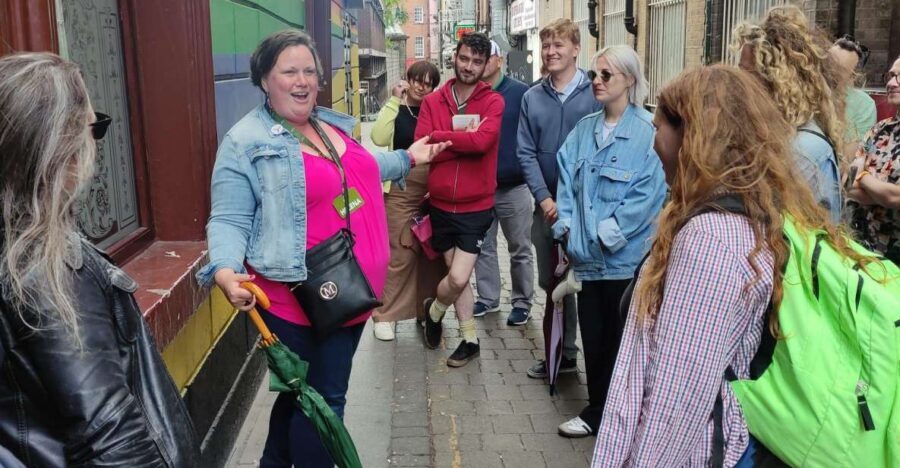
- Liberty Hall’s pride protest story: where early activism links to later legal progress.
- Meet-the-people moments: Dr Lydia Foy, Panti Bliss, and other major queer figures put on the map.
- General Post Office (GPO) stop: listening to revolutionary-era queer storytelling along a central Dublin landmark.
- Trinity College + Sexual Liberation Movement: a campus setting tied to social change.
- Diceman’s Corner and the George: you’ll see two famous LGBTQ+ related spots connected to community life.
- Hirschfield Centre: a modern anchor that helps the history feel current.
What This Walking Tour Really Does (And Why It Matters)
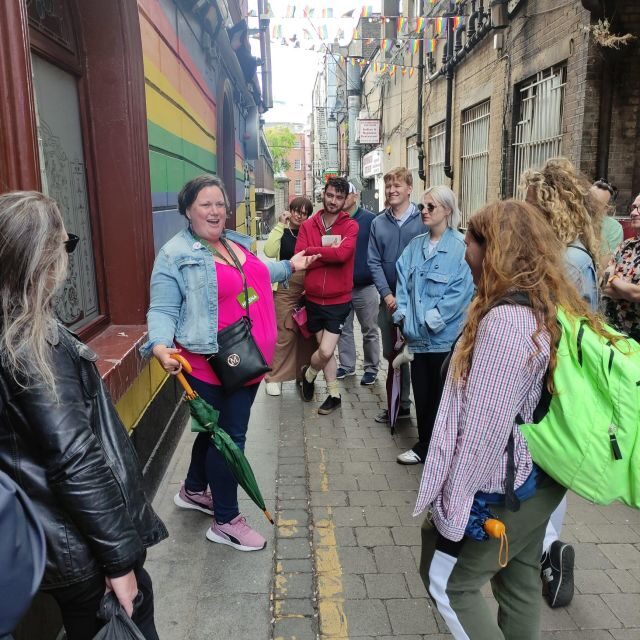
This isn’t the usual Dublin sightseeing loop where you collect facts and move on. You’re taking a route built around queer history in Ireland—how different people, movements, and laws shifted over time. You’ll get stories that cover everything from revolution-era queer life to civil rights momentum, Pride march pioneers, and gender identity trailblazers.
That structure is the whole point. Instead of asking you to memorize a timeline, the tour uses the streets themselves as the map. One stop explains a person. The next stop shows you where community life and activism played out in public. By the time you finish, you’ll understand the how and why, not just the what.
And yes, you’ll learn about progress like marriage equality, but you’ll also hear about exclusion and abuse—because that’s part of the Irish queer story too. It’s told in a way that stays human, not grim for the sake of it.
You can also read our reviews of more walking tours in Dublin


Start at the Old Storehouse Bar and Get Your Bearings
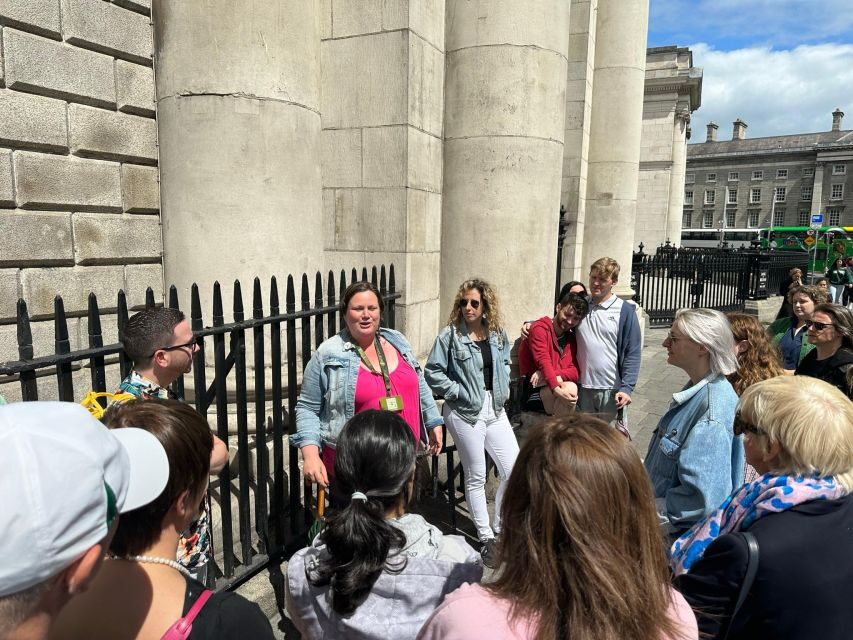
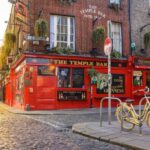
Your tour begins at the Old Storehouse Bar & Restaurant. Look for your guide carrying a green umbrella, and you’ll set off from there. It ends back at the same meeting point, so you’re not wrestling with transfers or figuring out how to get home after.
Before you start, I recommend you go in with one goal: understand what you’re seeing. Dublin is a city where a lot of older buildings look similar from street to street. On this tour, that similarity matters less because every turn has a story attached.
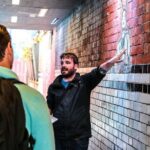
If you’re the type who likes asking questions, this is a good match. The guide approach is interactive and engaging, and the tone stays approachable—jokes included, but the subject stays respectful.
Liberty Hall: Where Pride Activism Hits the Street
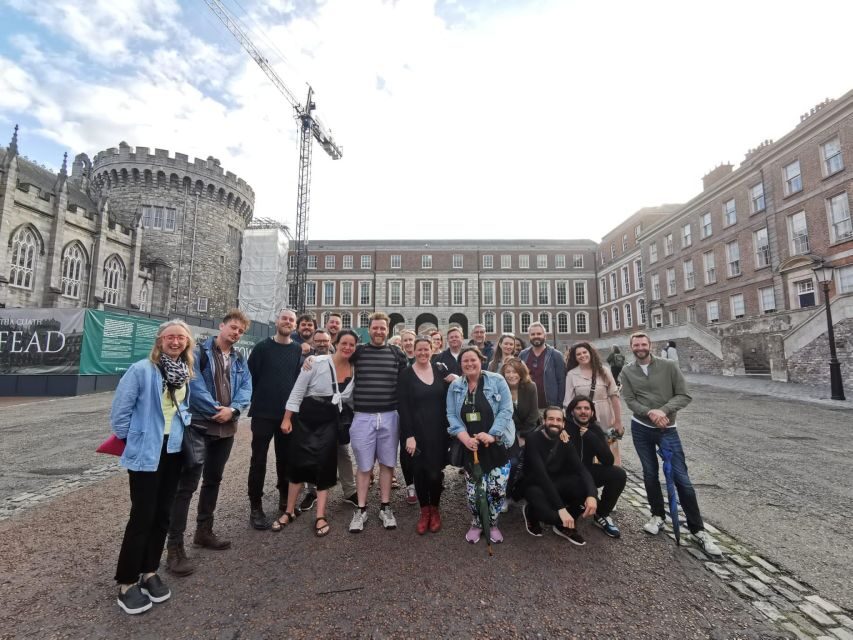
One of the strongest parts of the route is the Liberty Hall connection. You’ll hear about the first pride protest at Liberty Hall and how it fit into broader struggles for recognition and equality. This stop is useful because it puts activism in an actual Dublin address, not an abstract idea.
Liberty Hall also works as a timeline anchor. The tour frames early exclusion and abuse, then shows how the country moved through key stages toward legal and social recognition. You’ll walk away with a clearer sense of how public protest helped change what was possible.
Practical note: this is a walking tour, so you’ll be outside. If it’s chilly or wet, dress like you’re going to stand on Dublin pavement for a couple of hours—because you are.
The General Post Office (GPO): Revolutionary Queer Stories in a Real City Hub
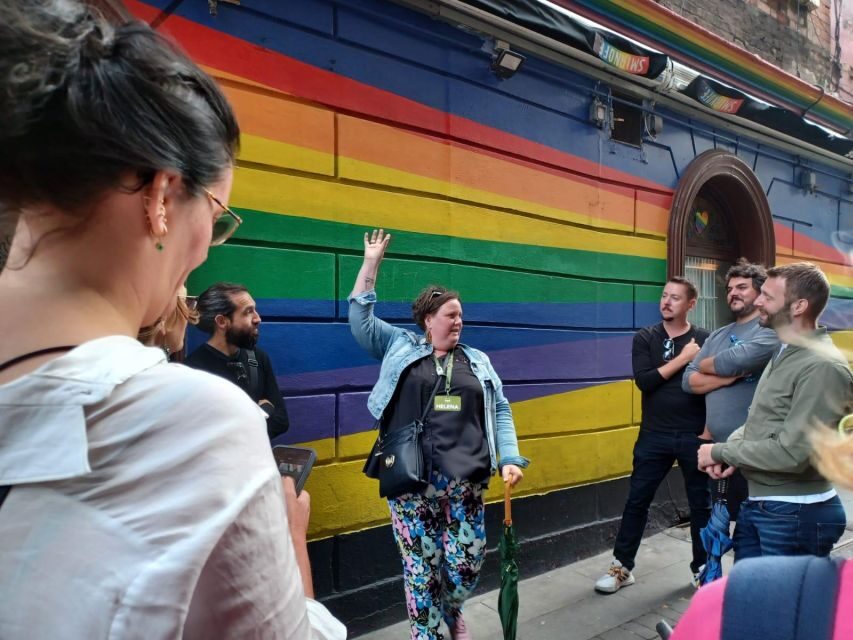
You’ll also pass the General Post Office (GPO), and that’s where the tour brings in stories tied to revolutionary queer figures. The vibe at the GPO is important: it’s one of the most central Dublin landmarks, a place people naturally flow through. Hearing queer revolutionary stories here makes the subject feel embedded in mainstream public life, not confined to side streets.
This stop helps you connect the dots between Irish history and LGBTQ+ history. The tour doesn’t treat them like separate timelines. Instead, it treats queer people as part of the same national currents—politics, social change, and the push for rights.
If you’re the kind of traveler who wonders how history worked for everyday people, you’ll likely appreciate this approach. It gives you a sense of scale—how large events and public spaces can still hold personal stories.
Dr Lydia Foy and the Gender Recognition Act: A Landmark for Legal Change
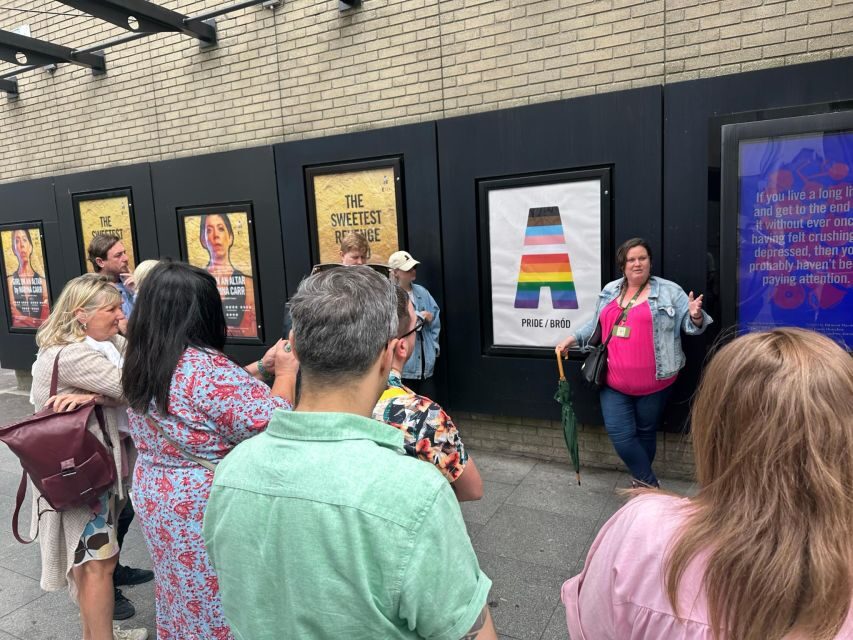
A highlight you’ll hear about directly is Dr Lydia Foy and the Gender Recognition Act. The tour uses this as more than a law name-drop. You get the context for why recognition mattered, especially for trans people and for how society understood gender.
This is one of those stops where the walking route does an extra job: it keeps you from treating legal milestones as paperwork. Instead, the story is tied to human consequences—what changes when recognition becomes possible, and what it meant to fight for it.
If you’ve read bits and pieces about LGBTQ+ rights before and felt they were scattered, this part tends to connect those pieces. It’s also a good reminder that activism isn’t just about protests and Pride days; it’s about policy, language, and recognition too.
You can also read our reviews of more historical tours in Dublin




Trinity College: Sexual Liberation Movement in an Old Academic Setting
Trinity College is another major stop on the route. Here, you’ll discuss the Sexual Liberation Movement and how it influenced attitudes and choices across Irish society. The contrast is striking: you’re standing near famous academic architecture while talking about changing ideas around sexuality and freedom.
That contrast helps you understand why social movements often need both visibility and debate. Universities, media, and public conversation can all play roles in shifting norms. The tour’s framing makes Trinity feel less like a postcard and more like part of how ideas moved.
What I like about this is that it broadens the tour beyond famous names alone. You’re seeing movements—how attitudes and culture changed—through recognizable city locations.
Hirschfield Centre: Keeping the Story Grounded in Today
The Hirschfield Centre appears on the route as another key location. Even when you’re focused on past milestones, this stop acts like a bridge to the present. You get a sense that LGBTQ+ community life and services don’t just happen in the past tense.
I find that important. Many tours treat queer history like a finished chapter. This one leaves the door open to ongoing needs, community support, and the continuing work toward equality and recognition.
If your travel style includes learning how a place functions today—not just how it used to look—this stop will likely land well.
Diceman’s Corner: More Than a Photo Stop
You’ll pass by the Diceman’s Corner, and it’s handled in a way that’s meant to stick. This isn’t treated like a random city curiosity. The tour ties it to wider queer culture in Dublin, helping you understand why certain corners, statues, and landmarks become meaningful.
One of the nice things about stopping at Diceman’s Corner is how it breaks the pattern of “big institutions only.” Not every queer history story is centered on government buildings or famous universities. Sometimes it’s centered on streets, meeting places, and everyday community presence.
I’d suggest you pay attention to how the guide links the location to the themes being discussed right then—so you’re not just walking past something famous. You’re picking up why it matters to queer Dublin.
The George: An Iconic LGBTQ Venue in the Route’s Middle-to-End Stretch
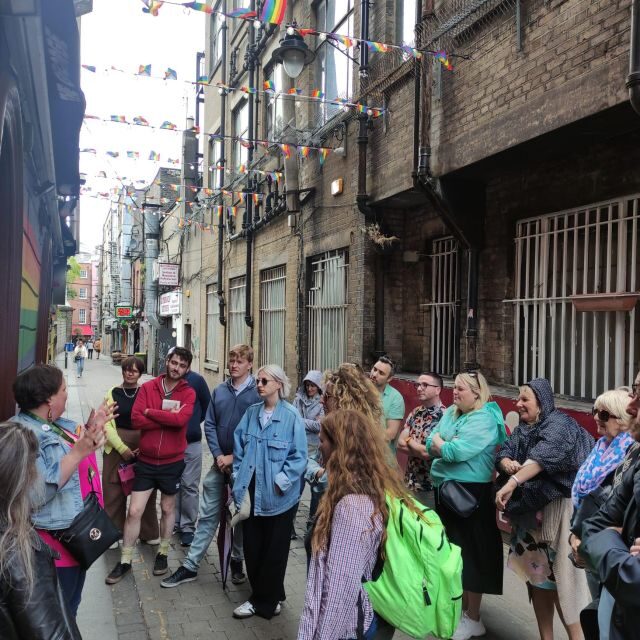
The George is another place you’ll see, and the tour frames it as Ireland’s most iconic LGBTQ venue. That description might sound like hype, but on a walking tour like this, it’s doing practical work: it grounds the talk about rights and history in the reality of social life.
This stop also helps balance the tone. Earlier parts focus on struggle, protests, and legal changes. By the time you reach a landmark tied to LGBTQ nightlife and community gathering, you’ve usually built enough context to appreciate what those spaces mean.
It’s often the difference between learning about activism and learning how people actually lived their identities in real time.
Panti Bliss: Stories That Make the Past Feel Close
Panti Bliss is one of the personalities you’ll hear about, with the story woven into the route at the General Post Office area. The point here isn’t just name recognition. It’s how queer figures can shape visibility, culture, and conversation—sometimes through media and public performance, not just traditional political channels.
This is where the tour’s storytelling style shows up. The guide makes the personal feel specific, so you’re not just learning a list. You’re understanding how individual personalities fit into the wider fight for recognition.
I also like that the tour doesn’t shy away from the fact that queer communities have had to fight for basic dignity. That theme returns in different forms, so it feels consistent rather than one dramatic moment.
What You’ll Learn Beyond the Headline Names
Yes, you’ll cover big names like Dr Lydia Foy and Panti Bliss. But the tour also builds a broader picture of queer Ireland—revolutionary figures, civil rights agitators, and Pride March pioneers. You’ll hear how Ireland moved from exclusion and abuse toward marriage equality, while still recognizing that change is often uneven and ongoing.
Here’s what makes that valuable for you as a visitor: you’ll start noticing the difference between a city that simply has LGBTQ landmarks and a city that has an LGBTQ story built into its public life.
You’ll also come away with context you can use after the tour. If you see another Pride poster, a memorial, or even a community event listing, you’ll have a better sense of what it connects to historically.
And if you like humor, you may smile more than you expect. The tone in the stories is often engaging and witty while still carrying weight.
Who This Tour Fits Best (And Who Might Want Something Else)
This is best for you if you want your Dublin sightseeing to have meaning. If you like history with actual people behind it, you’ll enjoy the way the tour links personalities to physical locations. It’s also a strong choice if you’re curious about how Irish LGBTQ+ rights evolved over time.
It’s also a good family option for ages that can handle respectful history. One of the tour’s best signals is how engaging the guide can be, including with a teenage son, so this doesn’t feel like a lecture that puts everyone to sleep.
Where it might not fit: if you want a quick, light walking loop focused mostly on photos and famous buildings, this will feel more focused on story than scenery. You’ll also be walking for about two hours, so plan for that pace.
Value Check: Is $27 a Good Deal?
At $27 per person for about 2 hours with a live guide, the value is strong—especially because you’re paying for more than narration. You’re paying for someone to connect specific places (Liberty Hall, Trinity College, GPO, Diceman’s Corner, the George, and Hirschfield Centre) to a coherent story about queer rights in Ireland.
A lot of tours in big cities charge similar prices for less context. Here, the structure matters: each stop is meant to teach you something, not just point at it. Add in the guide’s evident effort and approachable style, and $27 starts to feel like a fair price for a genuinely memorable way to see Dublin.
If you’re only in town for a short time, this is one of those “do it early” experiences. You’ll come to later attractions with better context.
Should You Book It?
If you care about Irish history and want LGBTQ+ stories that are tied to real street locations, I’d book this. The strongest reasons are simple: the guide’s energy, the way the route links major queer figures and movements to landmarks, and the fact that you leave with a clearer sense of how Dublin’s LGBTQ+ community fought for recognition over time.
I’d skip it only if you want purely visual sightseeing with minimal talking. This tour is about people and ideas on the move—and that’s exactly what makes it worthwhile.
FAQ
How long is the Dublin LGBT Pride walking tour?
It runs for about 2 hours.
What does the tour cost?
The price is $27 per person.
Where does the tour meet?
Meet your guide directly outside the Old Storehouse Bar & Restaurant. Look for someone carrying a green umbrella.
Where does the tour end?
The tour ends back at the meeting point.
What language is the live guide?
The live tour guide is in English.
Is the tour wheelchair accessible?
Yes, it is listed as wheelchair accessible.
What should I bring?
Wear comfortable shoes since it’s a walking tour.