REVIEW · DUBLIN
Bike Tour Along The Historic Waterways Of Dublin
Book on Viator →Operated by MYBIKEORHIKE · Bookable on Viator
Dublin by bike feels like a shortcut. You cruise along Dublin Bay and the River Liffey, then hop through the city’s biggest landmarks without getting stuck in traffic, all while hearing clear stories that connect transport, sports, and national memory. I love how the route mixes big-name stops (like Croke Park) with quieter parks where you can actually breathe. I also like that you get a real pause-and-snack moment at Bull Island rather than a parade of photo stops. One thing to consider: the ride is longer than it looks on paper, so if you’re picky about seat comfort or bike shifting, plan ahead.
This is a strong fit for people who enjoy urban cycling and want Dublin beyond the postcard triangle. You’re riding for about 5 to 8 hours, with a public cemetery tour and several historical lookouts baked in, so the day rewards stamina more than lounging. If you want a casual stroll instead of a moving schedule, this probably won’t be your cup of tea.
In This Review
- Key highlights you’ll feel fast
- Entering Dublin Bay by bike lane, not by traffic
- What’s included (and what you’ll pay for)
- Stop-by-stop: how each place fits the ride
- Bull Island’s 200-year-old sea wall and the Captain Bligh link
- Passing the Guinness family park lanes
- Croke Park under the 83,000-seat stadium
- Glasnevin Cemetery: a long stop with real storytelling
- John Kavanagh The Gravediggers: lunch with character
- Tolka Valley Park: newer cycling through greener space
- A big enclosed park where red deer still roam
- Irish National War Memorial Gardens along the Liffey
- Brief outside look at Kilmainham Gaol
- Royal Hospital Kilmainham gardens and the museum connection
- Croppies Acre: legend, rebellion, and two famous backdrops
- Pace, effort, and why timing matters
- The guide experience: safety, stories, and real talk
- Price value: what $198.25 buys you in real terms
- Who this Dublin waterways tour suits best
- Should you book this bike tour?
- FAQ
- FAQ
- How long is the Bike Tour Along The Historic Waterways Of Dublin?
- What is the price per person?
- What’s included in the tour price?
- Is lunch included?
- Do I need to pay extra for Glasnevin or Kilmainham Gaol?
- Is pickup available?
- Is this tour private?
- What if the weather is bad or I need to cancel?
Key highlights you’ll feel fast
- Bull Island sea wall stop with a cafe and the Captain Bligh connection
- River Liffey timing that lines up with rowers and war memorials
- Croke Park + GAA context tied to Irish community life, not just stadium photos
- Glasnevin cemetery tour that mixes famous and obscure characters
- Kilmainham area views from the outside, plus Royal Hospital Kilmainham gardens
Entering Dublin Bay by bike lane, not by traffic
The tour kicks off at 37 Capel St in North City. From there, you roll out along a newly completed cycle lane on the coast, and that sets the tone: you’re moving, but you’re not rattling through chaotic streets. The guide talks about the history of transport infrastructure here, so the ride feels like it has a spine, not random mileage.
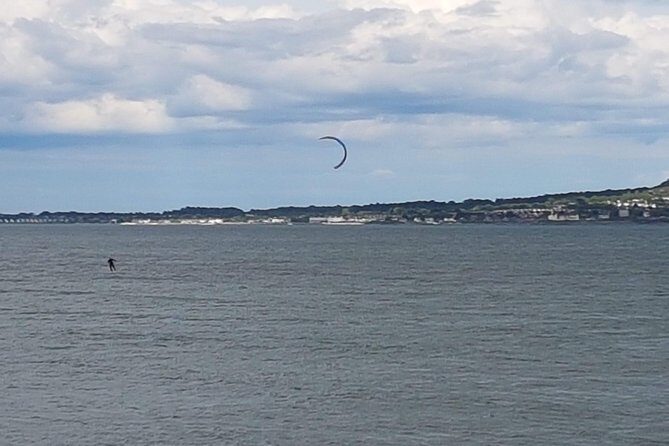
You also get sea air from Dublin Bay right early. That matters because you’re not just biking through “sights,” you’re biking through a changing mood—coast views, then parks, then river and memorials. It’s a smart way to pace the day: you warm up with open space before the more solemn stops.
You can also read our reviews of more cycling tours in Dublin

What’s included (and what you’ll pay for)
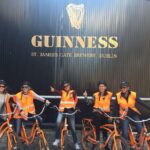
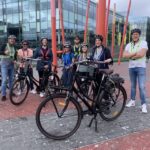
You’ll have the bike, plus a safety helmet and high-visibility vest. That’s a big comfort factor in a city cycle setup, especially if you’re new to biking in an urban environment.
The price is $198.25 per person, for a 5 to 8 hour private tour. Not everything is included, though. Lunch is not included, and some admissions aren’t covered. The tradeoff is that several stops are free, so you’re not constantly stopping to pull out a wallet.
If you want a smooth budget, plan on paying for the cemetery tour at Glasnevin and any entry tied to the Kilmainham Gaol visit if you decide to go inside later. You’ll have chances to eat along the route, including at a pub stop, but you’re choosing your meal cost.
Stop-by-stop: how each place fits the ride
Bull Island’s 200-year-old sea wall and the Captain Bligh link
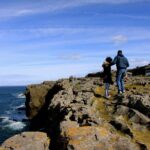
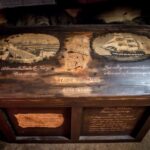
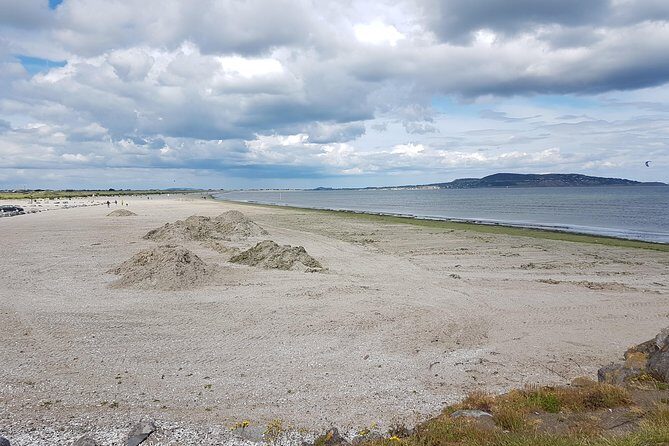
Bull Island is where the tour turns memorable in a non-rushed way. You’ll pause for about 30 minutes with a cuppa and snack at a cafe perched on a sea wall that dates back around 200 years. The story gets fun and surprising: the wall is linked to Captain Bligh, the same Bligh made famous by the Mutiny on the Bounty.
Even better, the stop isn’t just “sit here.” You learn how Dublin Bay’s nature reserve area was accidentally formed, so you get a sense of how the environment came to be. It’s the kind of learning that doesn’t feel like a classroom. It feels like you’re standing in the middle of a local legend that turned into real ecology.
Practical note: bring layers. Coastal stops can be breezy even when downtown feels warm.
Passing the Guinness family park lanes
After Bull Island, you ride through an elegant park associated with the Guinness family—owned and developed by them. The timing here works well. You’ve had your coast moment, you’ve refueled, and now the route shifts into a calmer, tree-lined pace.
This part is less about a single building and more about how Dublin breathes through greens in between major sites. You ride at your leisure through lanes that feel more like a countryside pause than an inner-city detour.
You can also read our reviews of more historical tours in Dublin


Croke Park under the 83,000-seat stadium
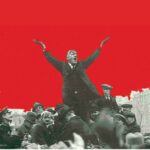
Next up: Croke Park Stadium. You park and stand beneath the scale—83,000 capacity—and you get context for why it matters in Irish life. The guide explains the GAA history, described as the lifeblood of Irish society and communities going back roughly a century and a half.
You’ll also hear a tragic story tied to a nearly forgotten man who helped shape the organization. That detail is what turns this stop from stadium sightseeing into something more human. You’re not just seeing seats; you’re learning how the crowd, clubs, and community energy got built.
If you’re a sports fan, you’ll appreciate the stakes. If you’re not, you’ll still get a strong cultural primer on how Irish identity shows up in sport.
Glasnevin Cemetery: a long stop with real storytelling
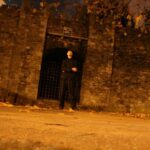
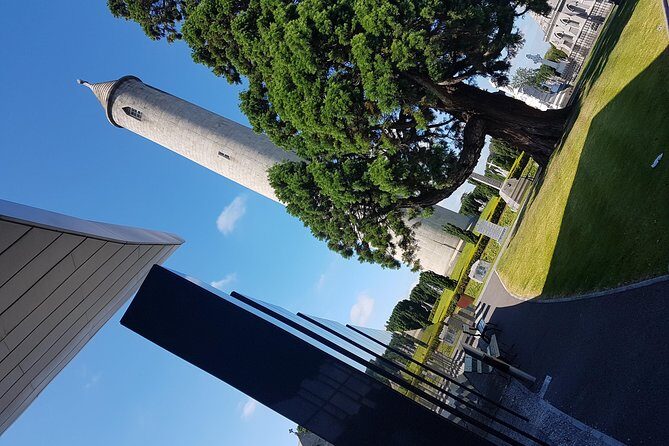
Glasnevin National Cemetery is a longer piece of the schedule—about 1 hour 30 minutes. You join a public tour there, and the tone shifts toward quirky and sombre characters, both well known and obscure.
This is one of the best stops on the day if you like places where history is personal. The cemetery isn’t only dates on plaques. It’s people, personalities, and stories tied to Ireland’s major political and social changes.
Also, it’s the stop where you’ll feel the “duration reality.” You’re on your feet and listening for a while, so it helps if you’ve already had your earlier snack and coffee.
John Kavanagh The Gravediggers: lunch with character
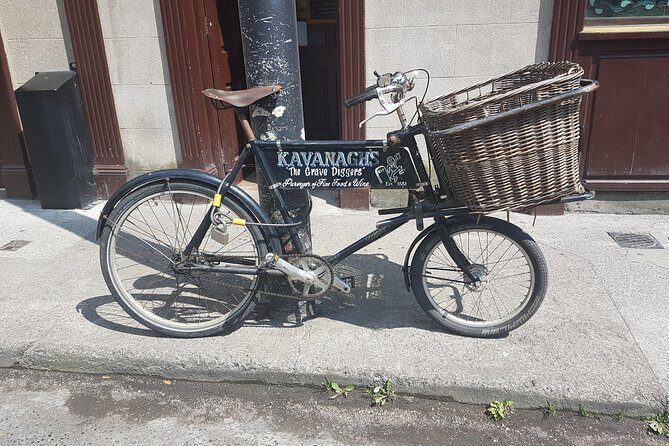
Right after Glasnevin, you get a 45-minute break at John Kavanagh The Gravediggers. It’s a pub named after the hard-working folks who frequented it since it opened in 1833.
This stop is where you can reset. Since lunch isn’t included, you’ll decide what suits your energy level—something hearty if the cemetery took more out of you than expected, or something lighter if you’re saving appetite for later.
It also works as a breathing space between the cemetery’s somber tone and the next wave of outdoor cycling.
Tolka Valley Park: newer cycling through greener space
Then you head to Tolka Valley Park for a short stop—around 10 minutes. You’ll explore a cycle path that’s recently constructed through lush greenery. This is where you notice the route designers did something smart: they didn’t just link landmarks, they gave you calmer riding sections.
Even a short stop here helps. It reduces the stop-start feeling, and it breaks the day into small chapters instead of one long slog.
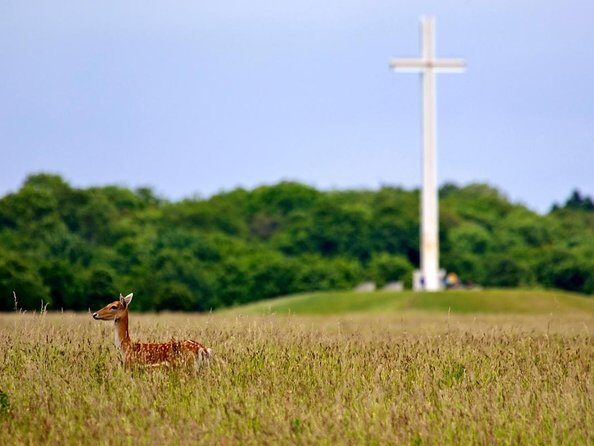
A big enclosed park where red deer still roam
You’ll also spend time in a major enclosed park known for having red deer that started there in 1662 and still roam there today. This is an ideal pause point if you want a breather that isn’t tied to a memorial or stadium.
Because it’s enclosed, it can feel like a different Dublin world—especially if you spot the deer moving through the space. The ride through it is also a good buffer between Kilmainham’s heavy topics and the lighter scenic moments that follow.
Irish National War Memorial Gardens along the Liffey
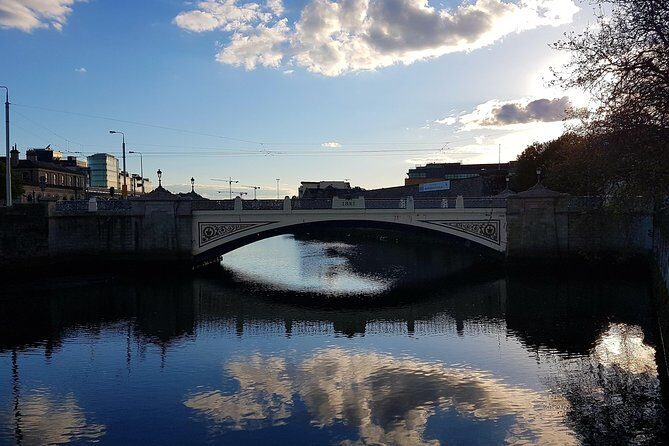
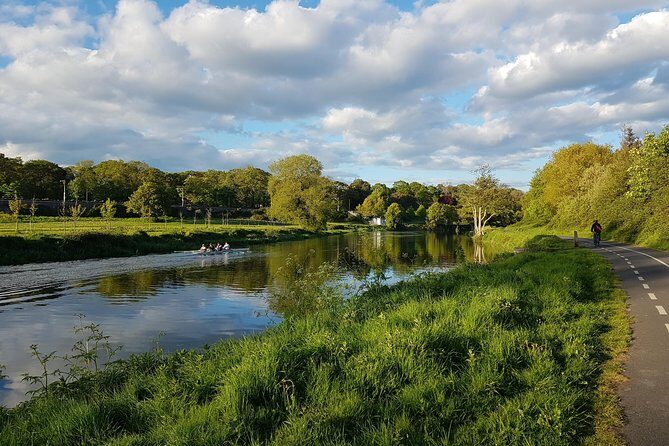
The Irish National War Memorial Gardens is one of the most affecting stops on the route. You cycle along a path by the River Liffey, and you’ll see rowers working the water.
That contrast—ordinary rowing energy next to memorial space—makes the moment land. You stop to salute the 49,400 Irishmen who fought in World War 1, often forgotten or worse, in the way history gets told.
You’ll also hear a smaller, less-known story about how an Irish Nationalist escaped execution through cunning and guile, plus the significance of the two swans. Those details matter because they turn a memorial into an actual narrative with characters and meaning.
Brief outside look at Kilmainham Gaol
Then it’s time for Kilmainham Gaol—just a brief stop outside for about 10 minutes, with the main focus on the story rather than tickets. You’ll hear about its 18th-century role and how it was used for public executions, the Great Famine period, and the executions of leaders of the 1916 Rising.
This is a strong “overview” stop. You get the emotional outline and the historical gravity without forcing the whole day into indoor crowds. If the story pulls you in, you can always plan a separate deeper visit on your own time.
Royal Hospital Kilmainham gardens and the museum connection
Next, you get picturesque views over the public gardens at Royal Hospital Kilmainham. The gardens are described as a replica of the original laid out in the 17th century, and nearby is the former military hospital now tied to the Irish Museum of Modern Art.
Even if modern art isn’t your top interest, the stop is worth it for the setting. You’re riding, you’ve got distance from the previous solemn moments, and you get a calm, orderly view through garden paths.
Croppies Acre: legend, rebellion, and two famous backdrops
Your last stop is Croppies Acre Memorial Park, about 5 minutes. The connection here is the 1798 Rebellion and the legend that this site was a mass burial grave for victims.
You’re set against two major landmarks: Collins Barracks National Museum and the Guinness Brewery. That side-by-side matters. It shows how Dublin stores different layers of identity in the same city block—rebellion memory next to modern industry and tourism.
Pace, effort, and why timing matters
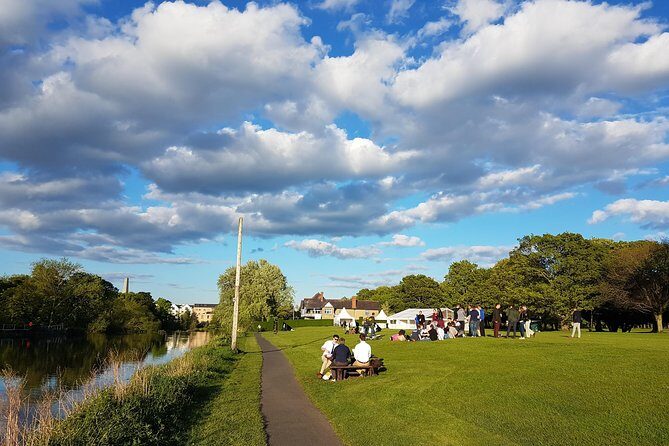
This tour runs about 5 to 8 hours. That range is wide because the day includes a longer cemetery tour, plus multiple short parks and lookouts. Plan your energy around the full schedule, not just the cycling portions.
The good news: you’re guided, and the route breaks into frequent stops. The harder truth: you still need a strong physical fitness level and comfort cycling in an urban environment. If you can’t handle bike lanes, intersections, and steady riding, this will feel like a workout you didn’t order.
Also, even though the day includes breaks, you’re outdoors for a long stretch. Bring water, and dress for changing weather—especially along the coast and the Liffey.
The guide experience: safety, stories, and real talk
One of the best parts is the way the guide brings the city to life. On rides led by guides such as Ben, the approach emphasizes safety, clear communication, and stories that link culture, history, language, and even local fauna.
That’s not just nice. It affects how confident you feel on the bike. When someone is calm and specific about what’s coming next, you stop overthinking the riding.
There is one consideration: bike comfort can vary. Some riders have flagged that the bike may feel older, with shifting that doesn’t feel smooth and seats that lack padding for longer hours. If you’re sensitive about saddle time, plan to take extra care of your posture and consider bringing a small comfort item if you have one.
Price value: what $198.25 buys you in real terms
At $198.25 per person, you’re paying for a full day structure: bike use, helmets and high-vis, plus a guide who stitches together multiple parts of Dublin’s story. For 5 to 8 hours, it’s a reasonable way to cover distance without wasting half your day in bus lines or car traffic.
You still have a few extra costs: lunch isn’t included, and Glasnevin’s cemetery tour isn’t included. But several major stops are free, and the ride itself is the ticket—the transport plus guide storytelling is doing the heavy lifting for value.
If you’re traveling with a group and can use group discounts, the math gets easier. If you’re solo, it’s still solid, but you’ll want to be sure you actually enjoy cycling as an activity, not just as a way to reach landmarks.
Who this Dublin waterways tour suits best
This fits you if you want:
- Dublin’s big sites plus off-the-beaten-path parks
- Cycling with guided context instead of a scavenger hunt
- A full-day plan that keeps moving at a comfortable pace
It may not fit you if:
- You want mostly indoor attractions with minimal effort
- You’re not comfortable cycling in busy streets or bike lanes
- You’re very sensitive about seat comfort over long hours
Should you book this bike tour?
I think it’s a smart booking if you want to see Dublin through the lens of waterways and green spaces, with serious historical stops that don’t feel like a lecture. The itinerary balances sea, parks, sports culture, memorials, and the Kilmainham area in a way that keeps variety high.
Book it if you’re confident biking in an urban setting and you can handle a long day. If you know your comfort needs are strict, consider asking about bike condition and seating before you go.
FAQ
FAQ
How long is the Bike Tour Along The Historic Waterways Of Dublin?
The tour lasts about 5 to 8 hours.
What is the price per person?
The price is $198.25 per person.
What’s included in the tour price?
Included are the bicycle, plus a safety helmet and a high-visibility vest.
Is lunch included?
Lunch is not included.
Do I need to pay extra for Glasnevin or Kilmainham Gaol?
Glasnevin – Ireland’s National Cemetery has admission not included, and Kilmainham Gaol also has admission not included. Other stops listed are free.
Is pickup available?
Yes. If your hotel or accommodation is within 1 km of the start location, the guide can meet you up to 20 minutes prior to the scheduled start time, then walk you to the tour start location.
Is this tour private?
Yes. It’s a private tour/activity, with only your group participating.
What if the weather is bad or I need to cancel?
The experience requires good weather. If it’s canceled due to poor weather, you’ll be offered a different date or a full refund. You can cancel for a full refund up to 24 hours before the experience starts.