REVIEW · DUBLIN
Dublin: Irish Famine Exhibition Entry Ticket
Book on GetYourGuide →Operated by Irish Famine Museum / Exhibition · Bookable on GetYourGuide
A famine exhibition sounds heavy. This one is heavy, yes, but also built to help you follow the story step by step, with real artifacts and visual evidence. I like that you’re not sent on a confusing scavenger hunt. You get storyboards, films, and original documents that turn a huge historical event into something you can actually understand on your first visit.
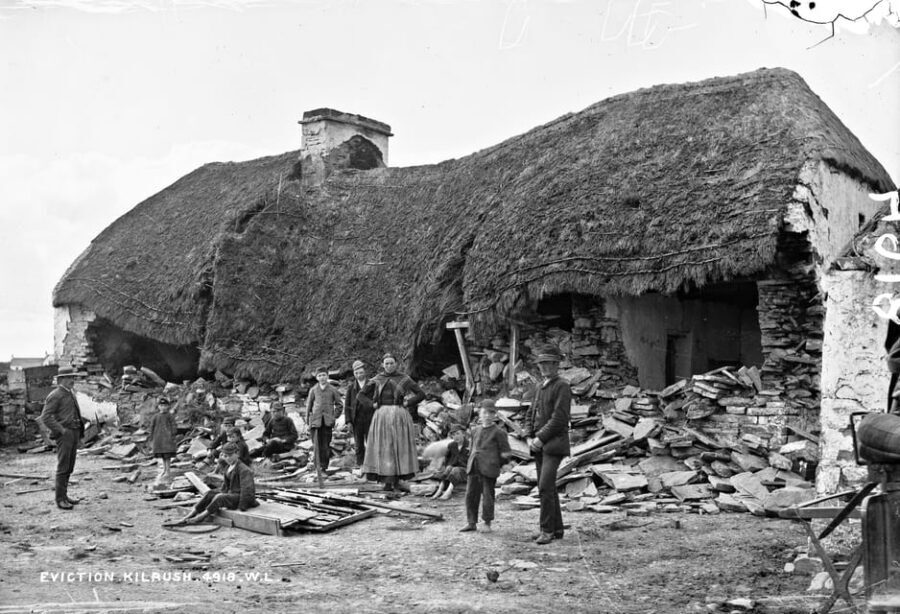
Two things I especially like: the rare 19th-century photographs and the way the exhibition focuses on primary evidence—newspapers and personal letters—rather than just broad summaries. I also liked the 15-minute overview film seating set up inside the experience, so you can reset your head before continuing.
One consideration: this is not a cheerful stop. You’ll learn about workhouses, evictions, coffin ships, and disease, and the material is emotional by design—so plan a calm hour and don’t cram it between big nightlife plans.
In This Review
- Key highlights you’ll remember
- Irish Famine Exhibition in Dublin: a powerful, built-for-understanding visit
- Price, hours, and how long to plan (without feeling rushed)
- Finding the exhibition: Stephens Green Shopping Centre, unit 200b
- What you’ll do once you walk in: a room-by-room story
- The storyboards: step-by-step, plain language
- Bench seating: you can take breaks without losing the plot
- The documents and artifacts: the story becomes specific
- The themes you’ll encounter: workhouses, evictions, coffin ships, disease
- Why the exhibition challenges the word famine
- Newspapers and letters: the evidence that makes it real
- The 15-minute overview film: when to watch it
- The exhibition in languages: translation manual for planning smarter
- Buying the book or USB: useful if you want to keep learning
- Who should book this ticket, and who might want to choose the timing
- Practical value check: does $16 get you enough?
- Should you book the Irish Famine Exhibition ticket?
- FAQ
- How long should I plan to visit the Irish Famine Exhibition?
- What are the opening hours in Dublin?
- Where exactly is the exhibition located?
- What does my ticket include?
- Is there a film inside the exhibition?
- Is cancellation free, and how long is the ticket valid?
Key highlights you’ll remember
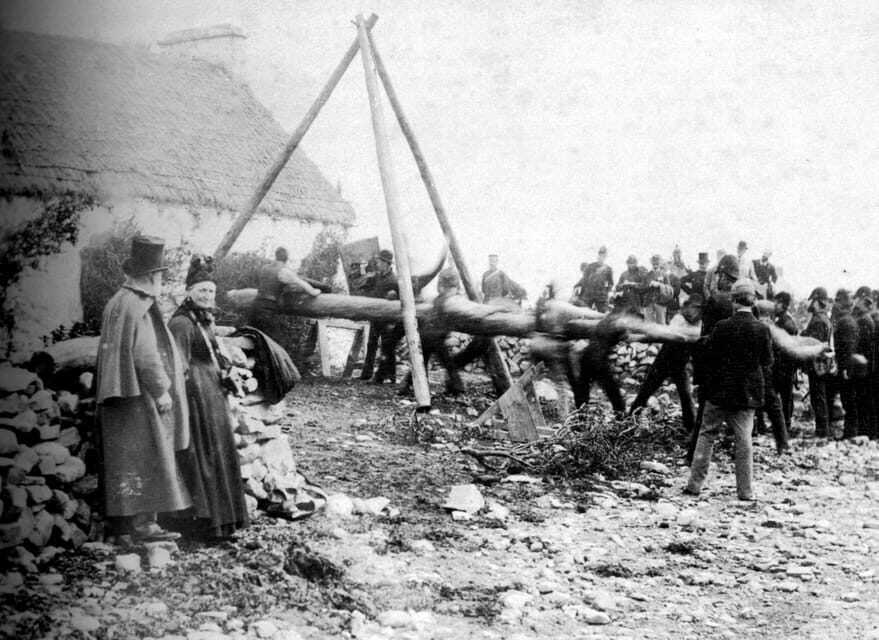
- Rare 19th-century photos: the faces and places make the story feel immediate
- Original newspapers and personal letters: you see how the tragedy reached ordinary lives
- Workhouses, evictions, coffin ships, disease: the exhibition covers the full chain of harm
- Bench seating in each room: you can pause without missing anything
- A 15-minute overview film: a clean reset point for your understanding
Irish Famine Exhibition in Dublin: a powerful, built-for-understanding visit
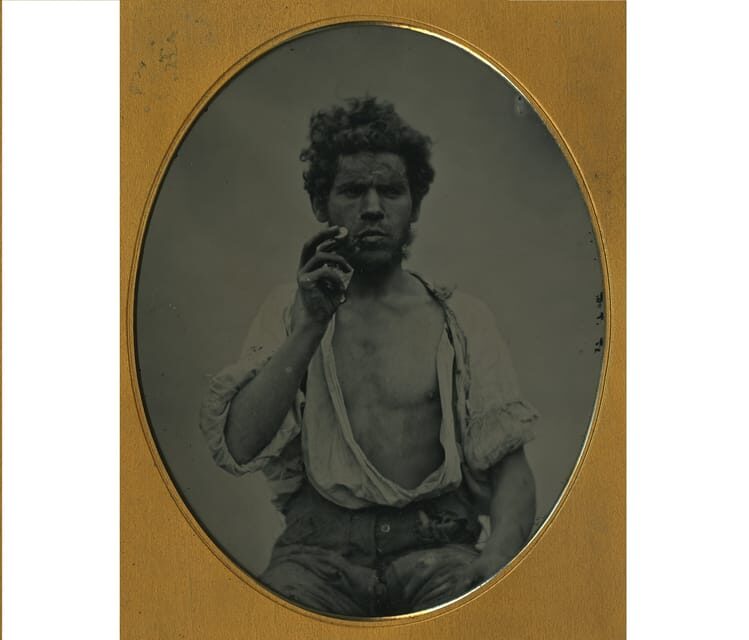
This exhibition is about the Irish Potato Famine, widely considered the most catastrophic event in Ireland’s turbulent history. It’s also often described as one of the worst famines in history based on deaths relative to population. And there’s an important twist you’ll keep hearing: even though the word famine is common, it’s also debated, because Ireland still had food in those years while more than a million people died and millions fled.
What makes the experience feel practical is its structure. You walk through rooms where storyboards guide you in order, like chapters. It’s designed to help you answer the hardest question: how could something so devastating happen when food existed?
I walked in expecting a museum-style lecture. Instead, it’s more like following a case file—photos to ground you, documents to prove it, and films to clarify the big picture.
You can also read our reviews of more tours and experiences in Dublin



Price, hours, and how long to plan (without feeling rushed)
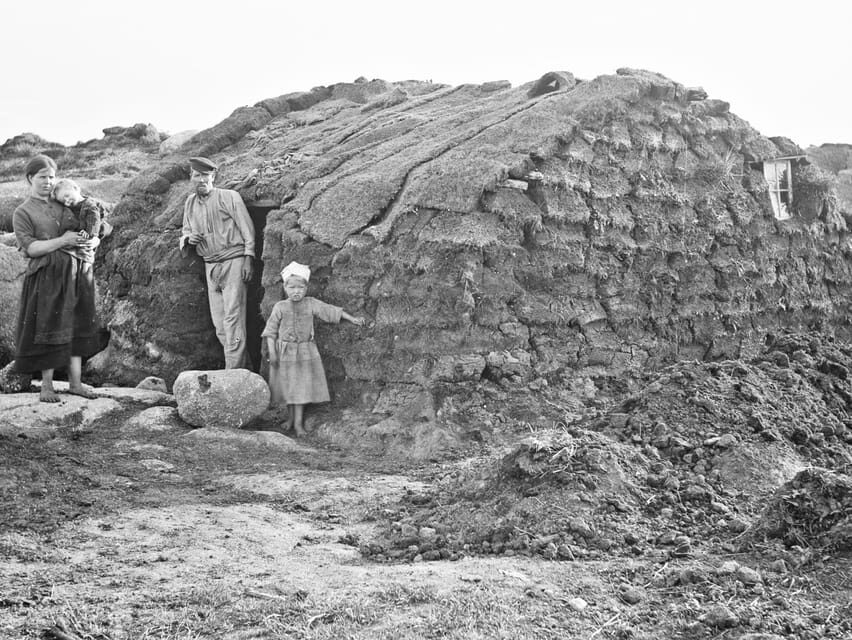
The ticket price is $16 per person, and that’s honestly fair for what you get: multiple rooms of storyboards, original artifacts (not reproductions), and a built-in film. It’s the kind of small cost that can save you from needing to do extra research later just to understand the basics.
Plan for at least one hour. The exhibition is open every day from 12pm to 6pm, so you can fit it into a midday break or an early afternoon window. The ticket validity is 180 days, and availability shows starting times—so if you want a specific hour, check first rather than guessing.
If you’re the type who reads everything slowly, you might go closer to 75–90 minutes. The pacing is self-directed, and there’s seating built into the experience, so you won’t feel punished for taking your time.
Finding the exhibition: Stephens Green Shopping Centre, unit 200b

Location matters because this is tucked inside a major shopping center. The exhibition is in unit 200b on the 2nd floor of Stephens Green Shopping Centre.
When you enter from the main entrance off Grafton Street, look for an elevator on the right about 20 meters in. Ride up to the 2nd floor, then go left. If you enter from the car park side, you’ll find it at the opposite end of the center—so don’t assume it’ll be near the same entrance you used.
Quick tip: when you first arrive, give yourself 3–5 minutes to orient. The shopping center layout can be a little maze-like, and you’ll want to start the exhibition in a focused mood.
What you’ll do once you walk in: a room-by-room story
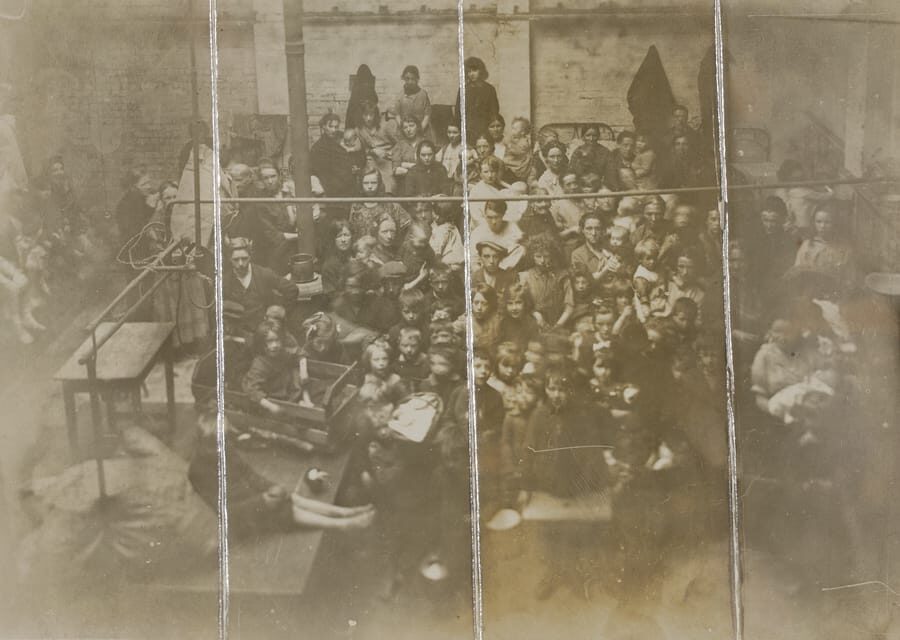
This is a self-paced exhibition, but it doesn’t feel random. The rooms work like steps in a timeline, with storyboards that explain what happened in a clear order. You’re not left wondering what to read next. Each room tends to build on the last one.
Here’s what to expect as the visit unfolds:
The storyboards: step-by-step, plain language
In each room, storyboards present the events in sequence. You’ll learn not only that the potato failure triggered disaster, but also how the social and institutional response made survival harder for many people. The text is designed to be easy to follow, which matters because this topic can be dense if you go in cold.
You can also read our reviews of more museum experiences in Dublin



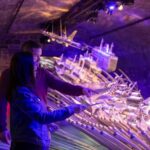

Bench seating: you can take breaks without losing the plot
There’s a bench in each room. There’s also seating set aside for the 15-minute overview film. That means you can stop, read closely, and still feel like you’re staying on track. It’s a subtle design choice, but it makes a big difference when the material is heavy.
The documents and artifacts: the story becomes specific
Along the way, you’ll encounter original material such as newspaper articles and personal letters. One letter is from a tenant to his landlord, and another is from a father to his son. Seeing the human distance between those two relationships—power, family, fear—turns history into something you can picture.
You’ll also see an original cast iron soup pot on display. That object may not look dramatic, but in context it helps you grasp how basic needs and food access were at the center of everyday life.
The themes you’ll encounter: workhouses, evictions, coffin ships, disease
The exhibition doesn’t just stop at crop failure. It connects the disaster to a chain of consequences, including workhouses, evictions, coffin ships, and disease.
This is where the experience becomes emotionally clear. Workhouses weren’t just buildings; they were part of how desperate communities were treated. Evictions weren’t abstract politics; they were forced loss of shelter. Coffin ships and disease turn the story outward—showing that the crisis didn’t stay only on land. It spread through movement, separation, and sickness.
If you want the practical takeaway, it’s this: the exhibition helps you connect cause and effect. You start with why people were in danger, then you see how systems and circumstances made recovery almost impossible for many.
Why the exhibition challenges the word famine
The exhibition raises a controversial point directly: the term famine is disputed in this context. At the time, Ireland was part of what’s described as the richest empire in the world. And the exhibition emphasizes there was enough food in the country during the famine years.
So the question isn’t just what happened. The question is how it could happen when food existed.
That framing is valuable because it pushes you beyond a simple victim-or-hero narrative. You’re encouraged to think in terms of power, policy, and distribution—how food can exist and still not reach the people who need it.
This doesn’t excuse the suffering. It explains why you’ll see the story focus on institutions and social pressure as much as on weather or blight.
Newspapers and letters: the evidence that makes it real
One of the strongest parts of this exhibition is how it uses original sources.
You’ll see:
- Two original newspaper articles describing the catastrophe
- Two personal letters: one from a tenant to his landlord, and another from a father to his son
- An original cast iron soup pot
These items do different jobs. Newspapers help you see the public record—what was being reported as events unfolded. Letters do something tougher: they show personal stakes and relationships under stress. The tenant-landlord letter highlights power imbalance. The father-son letter underscores what people were trying to protect or communicate when the situation was getting worse.
And the soup pot is almost like a reality check. It’s the kind of object that hints at meals, scarcity, and what everyday households rely on. It keeps the story from floating off into theory.
The 15-minute overview film: when to watch it
The exhibition includes an overview film of about 15 minutes, with seating available as part of the experience. In terms of strategy, I’d treat it like a mid-visit stabilizer.
If you watch it immediately, you’ll start with the big picture and then confirm the details room by room. If you watch it later, you’ll use it to tighten your understanding after you’ve already seen photos and artifacts.
Either way, it helps because this subject can get mentally crowded. A short film is a good reset, especially when the text on storyboards is trying to cover a lot of ground.
The exhibition in languages: translation manual for planning smarter
You’ll get an entry that includes a translation manual in French, German, and Italian. The exhibition itself is set up with storyboards and films, so having language support helps you stay fully engaged without bouncing between your own interpretation and guesswork.
One practical tip: skim the manual options before you start reading everything at full speed. If you need it for certain rooms, you’ll use it more efficiently.
Also note that an USB stick and book versions are available for purchase at the reception desk, but those are not included with the ticket.
Buying the book or USB: useful if you want to keep learning
At the reception desk, you can buy the exhibition in other formats, including a book and a USB stick. The USB stick breaks the storyboard content up and shows it as film-style segments set to mood music. The overview film is included there too.
This matters if you’re the type who likes to process later. When you leave, you’ll likely want to re-check the timeline or focus on the names and themes you remember most.
Who should book this ticket, and who might want to choose the timing
This ticket is a strong fit if you:
- Want a structured, self-paced way to learn about the Irish Potato Famine
- Like exhibits that rely on photos, original newspapers, and personal letters
- Prefer an experience that gives you context and then makes you ask real questions
It’s also ideal as a history stop in Dublin when you want something meaningful without committing to a guided walking tour.
Who might want to plan timing carefully? If you’re easily overwhelmed by difficult historical topics, choose a time when you’re not rushed. This exhibition deals with suffering and death, and the emotional tone is part of the design.
I’d also pair it with lighter activities afterward. Dublin has plenty of places to reset your mind—music, coffee, and a stroll—so don’t schedule only heavy stops back to back.
Practical value check: does $16 get you enough?
Yes, if your goal is understanding, not just browsing. For $16 you get:
- Entry to the exhibition
- Access to storyboards across multiple rooms
- Original artifacts like newspapers and personal letters
- A 15-minute overview film
- A translation manual in French, German, and Italian
It’s not a “see it, snap a photo, move on” attraction. It’s built for time spent reading and reflecting. For that, the price-to-content ratio feels right.
Should you book the Irish Famine Exhibition ticket?
Book it if you want an honest, document-based way to understand the Irish Potato Famine, with rare photos and original letters and newspapers doing most of the work. The built-in pacing—storyboards, benches, and a short film—makes it easier to stay focused for a full hour.
Skip it only if you need something upbeat and light right now. This experience is serious by design, and it asks you to think about hard causes and hard consequences.
If you’re in Dublin with an hour and a willingness to learn, this is one of the best value stops you can make for understanding one of the most devastating events in Irish history.
FAQ
How long should I plan to visit the Irish Famine Exhibition?
Plan for at least one hour. The exhibition is self-paced, with seating available in each room.
What are the opening hours in Dublin?
The exhibition is open every day from 12pm to 6pm.
Where exactly is the exhibition located?
It’s in unit 200b on the 2nd floor of Stephens Green Shopping Centre. From the main entrance off Grafton Street, take the elevator on the right about 20 meters in, then go left on the 2nd floor.
What does my ticket include?
Your ticket includes entry to the Irish Famine Exhibition and a translation manual in French, German, and Italian.
Is there a film inside the exhibition?
Yes. There’s a 15-minute overview film, and seating is available for it within the exhibition.
Is cancellation free, and how long is the ticket valid?
Free cancellation is available up to 24 hours in advance for a full refund. The ticket is valid for 180 days, and you can check availability for starting times.