REVIEW · DUBLIN
Vikings In Dublin (Walking Tour)
Book on GetYourGuide →Operated by MP Tour Guiding · Bookable on GetYourGuide
Dublin gets more interesting when you walk it with a story in hand. This 1.5-hour guided route follows the Norse footprint in the city, starting at a longboat sculpture and building toward big landmarks like Christ Church Cathedral. I like how the guide explains Viking life in a clear, nuanced way, not just as myth and mayhem, and I also like that you get a practical city overview in a short walk. One catch: it’s guided in French, so if you want every detail in English, plan accordingly.
@Key Points
- Start at the Viking Longboat sculpture (Baite – Viking Longboat by Betty Newman Maguire) and get the theme right away
- Christ Church Cathedral stop gives you a sense of how Dublin’s medieval core connects to later city stories
- Saint Audoen’s and Fishamble Street help you picture daily life and city rhythms during this era
- Dublin Castle viewpoint and context gives a wider Dublin city snapshot as you move
- A secret stop plus a lesser-known foundations stop turns the walk from sightseeing into meaning
- French-speaking guide who handles questions well and keeps the pacing friendly
In This Review
- Vikings In Dublin on Foot: The 1.5-Hour Promise
- First Stop: The Baite Viking Longboat (Betty Newman Maguire)
- The Secret Stop: Where the Walk Gets Interesting
- Christ Church Cathedral: Seeing Dublin’s Core Through Time
- Saint Audoen’s: The Smaller Stop That Can Stick in Your Head
- Fishamble Street: From Norse Movements to City Life
- Dublin Castle: A Wider Dublin Snapshot Mid-Walk
- The Lesser-Known Foundations Stop: Where Meaning Happens
- Finish Near Trinity College: Lock In Your Next Steps
- Price Value: What $45 Gets You (and What It Doesn’t)
- Who This Tour Fits Best
- Should You Book Vikings In Dublin?
- FAQ
- How long is the Vikings in Dublin walking tour?
- Where does the tour start?
- What are the main stops during the walk?
- What language is the guide?
- How much does it cost?
- Is the tour wheelchair accessible and how does cancellation work?
Vikings In Dublin on Foot: The 1.5-Hour Promise

If you only have a short window in Dublin, this is a smart way to use it. You’ll be on a guided walk that takes you through the city’s older layers and frames them through the Viking period—how they lived, how they moved, and why they mattered for what Dublin became.
I like that the tour stays focused. You’re not doing a long hike to “see everything.” In about 90 minutes, you get landmarks plus street-level context, so you can actually connect what you’re seeing to a timeline.
The tone matters, too. The guide’s approach is thoughtful and complex—Vikings aren’t reduced to cartoon villains. Instead, you get motivations, customs, and the reality that societies have reasons for what they do. If you enjoy history that treats people like people, you’ll likely enjoy this one.
First Stop: The Baite Viking Longboat (Betty Newman Maguire)

The walk begins at the Baite – Viking Longboat (1988) sculpture by Betty Newman Maguire. That choice isn’t random. It sets your brain on the right channel from minute one: sea travel, arrivals, docks, and the kind of people who could move across water and still feel at home in a new place.
From there, you start learning how Dublin is often explained through the Norse story. The tour frames Dublin as Dubh Linn—how the city was called in the period—and it keeps returning to the idea that movement and settlement shaped daily life. You’ll hear how Norse warriors navigated the Liffey’s waters and what that meant for where people gathered, traded, and lived.
Practical tip: if you’re camera-happy, take a second here to settle your photo first. The early minutes set the theme, and it’s easier to enjoy the rest when you’re not stopping every 30 seconds.
You can also read our reviews of more walking tours in Dublin



The Secret Stop: Where the Walk Gets Interesting
There’s a secret stop early in the route, with guided explanation. Since this is part of the tour design, the operator keeps details flexible enough that the walk stays lively instead of turning into a standard checklist.
What this usually means for you is simple: you’ll likely get a reference point you wouldn’t find on your own. The best guided tours do this—one or two moments that change how you read the street you’re standing on.
I also like that this structure prevents the common problem of landmark fatigue. You start with a strong visual (the longboat), then you get a surprise moment, then you move to major sites. It keeps attention up without feeling like a gimmick.
Christ Church Cathedral: Seeing Dublin’s Core Through Time
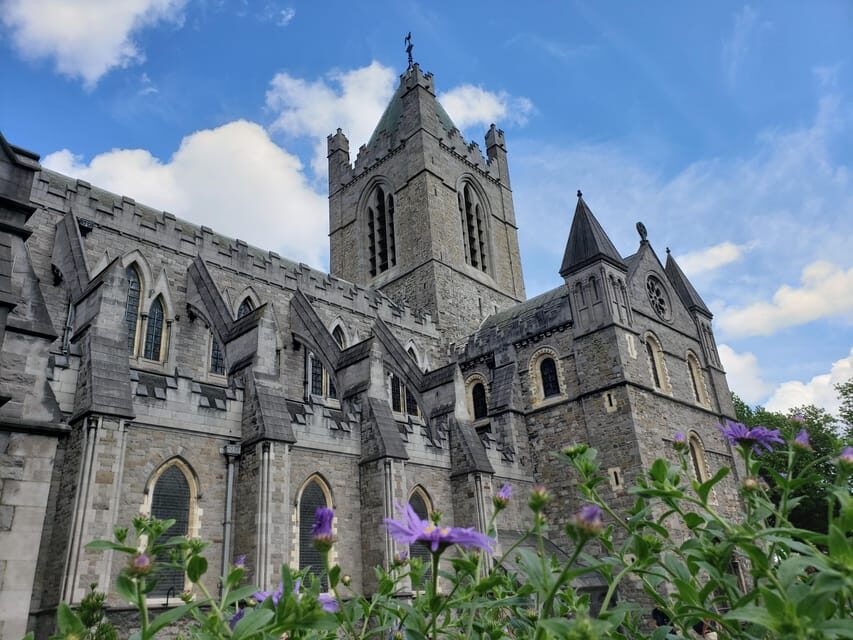
Next up is Christ Church Cathedral, Dublin, where you get a guided visit. This is the kind of stop that works for both history nerds and casual walkers. Even if you’re not chasing dates, the cathedral’s presence helps you understand that Dublin’s center kept evolving—religion, power, architecture, and the ways people built meaning into places.
For Viking context, the value isn’t that you’ll find a Viking ship inside a cathedral. It’s more about the continuity of place. Dublin’s older geography—the parts that mattered for settlement and movement—stays in play even as centuries change the buildings and institutions.
One drawback to consider: cathedral sites can come with the usual visitor realities—crowds, uneven surfaces, and rules about where you can stand. The tour is wheelchair accessible, but stone steps and interior layouts can vary. If mobility is a concern, it’s worth asking the operator what parts of the stop are easiest to access.
Saint Audoen’s: The Smaller Stop That Can Stick in Your Head
Then you move to Saint Audoen’s for another guided look. Stops like this are where a good guide earns their money. Big-name sites impress, sure. But smaller landmark stops often help you feel the scale of history in a more human way.
The tour’s Viking lens makes the explanation more than a simple building description. You’re guided toward understanding how Dublin’s identity formed over time, with the Viking period as a key chapter. When you connect the story to place, you start noticing details you’d otherwise ignore—street lines, entrances, and how the city seems arranged around certain routes.
If you love to ask questions, this is a great moment. The guide’s style, based on prior comments, is especially good at answering questions in a relevant way instead of waving you off with a vague summary. You’ll likely leave with a few things you can point out during your own wandering later.
Fishamble Street: From Norse Movements to City Life
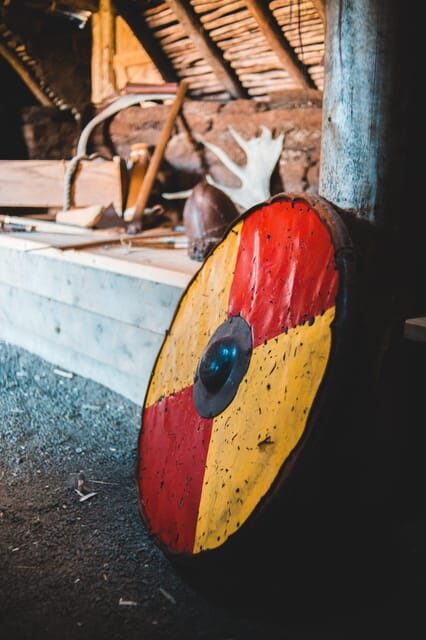
Fishamble Street comes next. This stop is where the tour helps you picture daily life rather than just famous architecture. The walk connects the idea of markets and gathering places to the city’s older rhythm—how people moved through Dublin and why certain streets mattered.
Here’s what I like for you as a visitor: street-level stops often make the history practical. You can stand where people once traded and traveled, then look at how today’s street still follows old patterns. Even if you don’t know the exact Viking-era specifics, you can grasp the logic: settlements cluster where people can arrive, work, buy, sell, and move on.
Also, it’s a helpful break in pace. After the cathedral, a street stop lets you reset your eyes. The tour keeps momentum, but it doesn’t feel like you’re staring at stone for the whole 90 minutes.






Dublin Castle: A Wider Dublin Snapshot Mid-Walk
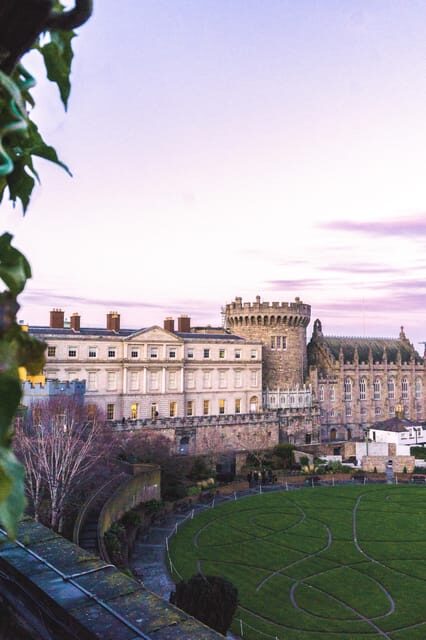
Next comes Dublin Castle, guided. This stop shifts your perspective from local street logic to a broader view of the city’s power and institutions. Even if the castle’s current form belongs to later centuries, the area matters because governance and control tend to follow the best locations—places people already valued for settlement and movement.
For most first-time visitors, this is a turning point. Up to this point, you’ve been building the Viking-flavored mental map. Now the guide helps you understand how Dublin developed beyond that chapter, while still keeping the earlier logic in the background.
Practical note: plan to stay flexible here. Castle areas can be active with visitor flow, and parts of the site experience depend on what’s open at the time. The walk is short overall, so you’ll be glad the guide keeps the explanation efficient.
The Lesser-Known Foundations Stop: Where Meaning Happens
After Dublin Castle, you’ll hit a lesser-known foundations stop. The name in the tour description points to something you might miss on your own—places tied to what’s under Dublin’s feet and how earlier eras influence the city you see today.
This is often where guides can get either really good or really vague. The best ones make you feel something: not just facts, but why facts matter. In the case of this tour, that’s the goal. You should come away with a sense that Dublin’s Viking chapter isn’t a random footnote; it’s part of how the city became itself.
If you’re the kind of person who likes to compare what you see with the story, this stop is the payoff. It helps you link the Viking period to Dublin’s layout and identity instead of treating it like a separate museum exhibit.
Finish Near Trinity College: Lock In Your Next Steps
The tour finishes at Trinity College according to the route description. That’s a convenient end point because Trinity sits in the middle of a visitor-friendly zone where you can continue exploring immediately—cafés, walking streets, and plenty of ways to branch out.
One detail to double-check: the activity info also says the experience ends back at the meeting point. In real life, this can mean the route loops back, or it can mean the tour ends close by even if the final stop is listed as Trinity. Before you go, I’d confirm the exact end point with the operator so you’re not surprised.
Either way, you’ll be in a good position. You’ll have a city map in your head—where the Viking story connects, where the main landmarks anchor the walk, and which streets you’ll want to revisit on your own.
Price Value: What $45 Gets You (and What It Doesn’t)
At $45 per person for about 1.5 hours, you’re paying for three things: a guided narrative, multiple key stops tied to Viking-era influence, and a walking format that keeps you from spending time figuring out logistics.
Is it a bargain? It’s priced fairly for what you get. You’re not just passing by one site. You cover a sequence that includes major Dublin landmarks—Christ Church Cathedral, Saint Audoen’s, Dublin Castle—plus street-level context like Fishamble Street and additional guided moments (including the secret stop and the lesser-known foundations stop).
What you should not assume: ticket costs or long entry time at each site aren’t stated. A guided tour often includes guidance, not necessarily admission. If you’re planning to go inside areas beyond what the guide covers, check opening hours and any fees once you’re there.
Language note: since the guide is French, the experience quality depends partly on your comfort level. The guide’s skill helps—people praised the clarity of explanations and the way questions were handled—but French is still French. If you need English-heavy narration, you may prefer a different language tour.
Who This Tour Fits Best
This walk is best for you if:
- You want the Viking story in Dublin without turning it into a day-long itinerary
- You like a guide who explains motivations and cultural nuance, not just battles
- You enjoy learning from the city’s layout—streets, landmarks, and the logic of where people gathered
It may be less ideal if:
- You’re hoping for a fully English experience (the guide is French)
- You want long time inside each major site rather than an efficient walk-and-explain route
On the plus side, the tour is listed as wheelchair accessible. Dublin’s streets can still be uneven, so it’s smart to confirm how the route is managed for wheels, especially at cathedral or castle-related areas.
Should You Book Vikings In Dublin?
I’d book it if your goal is to get your bearings and learn the Viking thread through real Dublin places. The structure is tight: a strong starting landmark, a surprise early stop, then a sequence of sites that builds a city overview. The guide’s approach—clear explanations, nuanced context, and good question handling—sounds like exactly what turns a walk into a memory.
Skip it if French narration would limit you. In a 90-minute format, language barriers can feel bigger than on a longer tour. Also, if you strongly prefer self-guided exploration with lots of solo time in interiors, this one is more about the guided storyline than wandering at your own pace.
If you’re flexible and you want a smart, story-led introduction to Viking Dublin, this is a solid choice.
FAQ
How long is the Vikings in Dublin walking tour?
It lasts about 1.5 hours.
Where does the tour start?
The meeting point is at the Viking longboat sculpture: Báite – Viking Longboat (1988) by Betty Newman Maguire.
What are the main stops during the walk?
The tour includes Christ Church Cathedral, Saint Audoen’s, Fishamble Street, Dublin Castle, and it finishes at Trinity College. There is also a secret stop and a lesser-known stop during the walk.
What language is the guide?
The live guide speaks French.
How much does it cost?
The price is listed as $45 per person.
Is the tour wheelchair accessible and how does cancellation work?
The activity is listed as wheelchair accessible. Free cancellation is available up to 24 hours in advance for a full refund, and you can reserve now & pay later.