REVIEW · DUBLIN
Dublin Jewellery Forge a Hammered Silver Ring: Drury Street
Book on Viator →Operated by Silver Works · Bookable on Viator
A ring, forged in two hours. This hands-on Dublin workshop lets you make a sterling silver ring from scratch, then personalize it with textures you create yourself.
I especially like the small-group feel—you get lots of one-on-one guidance while you work. I also love that the key moments (like soldering) happen right in front of you, so you understand what you’re doing, not just copying steps. One thing to consider: the workshop is in older period buildings with plenty of stairs and no lift, and if you’re more than 10 minutes late, you won’t be allowed in.
In This Review
- Key highlights you’ll care about
- Drury Street ring making: what you’re actually making
- The small-group format and how the class time really feels
- From silver sheet to ring band: the step-by-step workshop
- 1) Choose your ring finger and mark the silver
- 2) Cut it to size with a handsaw
- 3) Shape it on a mandrel using a mallet
- 4) Solder in front of you
- 5) File it and refine the curve
- 6) Pick textures, then create your hammered look
- 7) Finish with your polish preference
- What makes this a valuable Dublin souvenir (not just a fun activity)
- Tools, instruction, and the part where you learn faster than you expect
- Where logistics can trip you up (and how to plan around it)
- Who should book this Dublin hammered silver ring workshop
- Should you book Dublin Jewellery Forge a Hammered Silver Ring?
- FAQ
- How long does the ring-making experience take?
- How much does it cost?
- Where is the meeting point?
- What do I get to take home?
- Is the workshop taught in English?
- How many people are in the group?
- What’s included in the price?
- Are children allowed?
- Is it wheelchair accessible?
- What happens if I’m late?
Key highlights you’ll care about
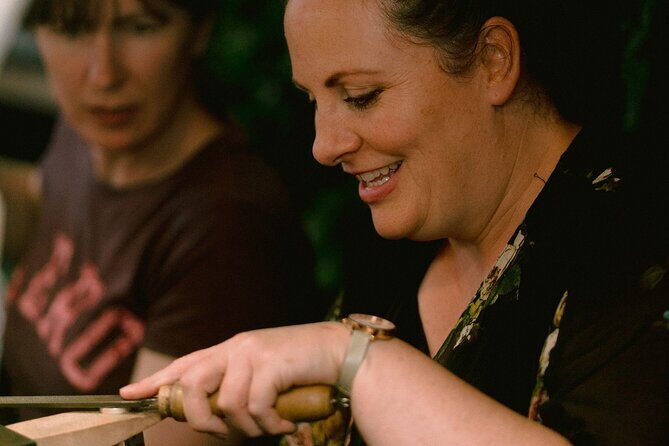
- Max 6 hands-on instruction in a small class setting (overall activity capped higher)
- Live soldering: you watch it happen and get an explanation as it’s done
- You use real forging tools, including mallets and planishing hammers
- Texture + curve choices so your ring looks like yours, not a cookie-cutter souvenir
- Two polish looks: inside-only polished rustic style or fully polished sparkle
- Coffee/tea and lots of chocolate to keep the workshop mood friendly
Drury Street ring making: what you’re actually making
This is a Dublin jewellery workshop focused on one goal: you leave with a handmade sterling silver ring. You’ll start with raw silver and work through cutting, shaping, soldering, filing, and finishing—step by step—until it’s wearable.
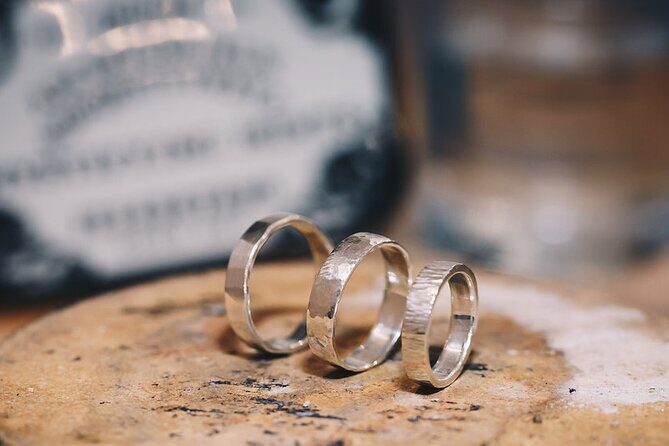
The “hammered silver ring” part is real. You’ll get to choose from different texture options and use planishing hammers to create the surface look. That’s the moment many people remember, because it’s where the ring shifts from instructions-on-a-bench into something personal.
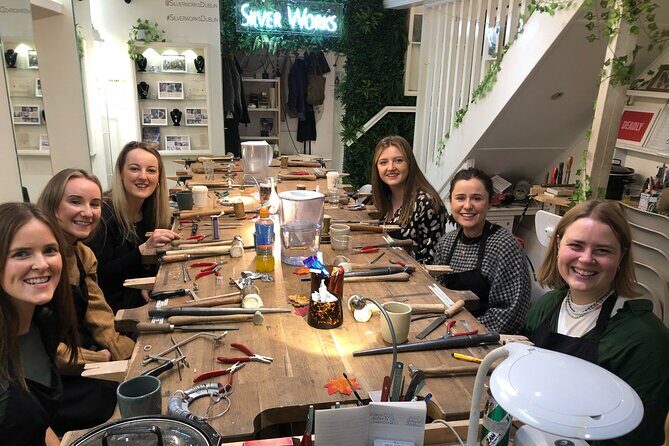
The setting is a studio in central Dublin on Drury Street, at Silver Works (24 Drury St). It’s walkable from public transportation, and it’s the kind of place where you’ll be surrounded by jewelry pieces while you learn how they’re made.
You can also read our reviews of more tours and experiences in Dublin.



The small-group format and how the class time really feels
The workshop is built for close instruction. The class is described as intimate, with hands-on teaching for a group size of up to 6, even though the overall activity listing allows up to 12 people. Practically, that means you’re not stuck watching from the corner.
Plan for about 2 hours. In real life, the timing can vary based on pacing, questions, and how quickly your ring comes together. One person noted they finished around 1 hour 30 minutes at a relaxed pace, so don’t assume the process must feel rushed.
You’ll get ongoing coaching from tutors who guide you through each stage. In past sessions, instructors have included names like Lucy, Luke, Kate, Holly, and Trish, so you’re likely to be working with someone who can talk you through the metalwork in plain language.
From silver sheet to ring band: the step-by-step workshop
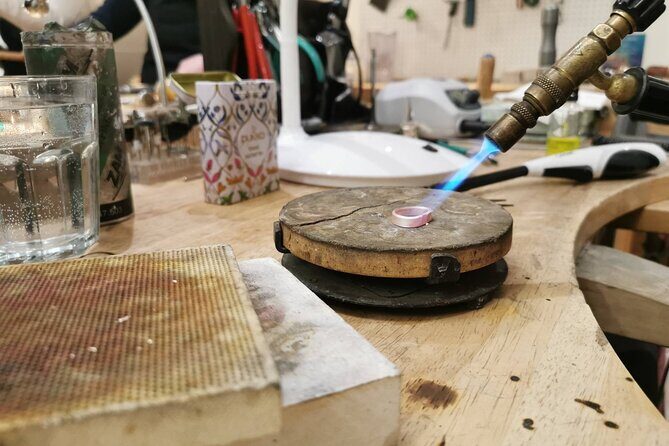
Here’s what you can expect, in the order you’ll do it.
1) Choose your ring finger and mark the silver
You begin by deciding which finger your ring will be for. Then you mark the silver to the length you require. This early step matters more than it sounds: it sets the right starting size before any cutting or shaping happens.
2) Cut it to size with a handsaw
Next comes the handsaw stage. You’ll cut the silver to match your marked length. It’s hands-on, a little physical, and it’s also where you start feeling that you’re really building something, not just assembling steps.






3) Shape it on a mandrel using a mallet
After cutting, you form the ring band. You’ll use a mallet to shape the metal around a ring mandrel. This part teaches you how the ring’s basic shape is created—rounding the band into something you can actually wear.
4) Solder in front of you
Once the band is shaped, the silver is soldered. The key detail here is that you don’t just get told it’s done—you watch the soldering process in front of you as an instructor works. They explain what they’re doing as it happens, which helps you connect the look of the ring to the metalworking steps behind it.
5) File it and refine the curve
Then you file the ring using different hand files. Filing is where the band gets smoother and more comfortable on the finger. You’ll also get to personalize the curve by deciding what curve you want.
That curve choice sounds minor, but it affects how the ring feels and how it sits visually. It’s one more way the final ring looks intentional, not generic.
6) Pick textures, then create your hammered look
Now comes the fun, creative chunk: texture selection. You choose from three different texture options. After that, you use planishing hammers to create the texture you picked.
This is often the part that people enjoy most, because you’re actively shaping the ring’s surface. The texture choice also determines the character of the final finish—more subtle and satin-like, or more distinctly hammered and dramatic.
7) Finish with your polish preference
Finally, you choose polishing style. There’s an option for polished only on the inside for an artistic/rustic look, versus fully polished for a glittery sparkle effect.
If you like an intentionally handmade vibe, inside-only polish is a great pick. If you want maximum shine, go fully polished and let the silver catch the light.
At the end, the best bit is simple: you keep your ring.
What makes this a valuable Dublin souvenir (not just a fun activity)
A lot of souvenirs are just photos or trinkets. This one is practical and lasting because it’s actual sterling silver made by you. You’re paying for more than time in a workshop—you’re paying for materials, tools use, and guided instruction that turns raw metal into a wearable piece.
The price is listed at $104.05 per person. On paper, that can look like “just a workshop.” But when you factor in that sterling silver is included and you take the finished ring home, it becomes closer to buying a custom piece plus a hands-on class. One participant even compared it to similar classes they saw in the US that cost about double, which is a helpful reality check if you’re used to higher prices at home.
The coffee/tea and lots of chocolate are small but welcome touches. They make the session feel less like a lecture and more like a relaxed workshop where you can focus on the work.
If you care about making travel memories you can physically hold, this is one of the better options. Your ring becomes a daily reminder of Dublin that’s more meaningful than a fridge magnet.
Tools, instruction, and the part where you learn faster than you expect
The teaching style matters here. You’re not left to figure out metalworking alone. You’re guided through each stage, and the tutors explain what they’re doing as you go.
The workshop includes equipment use like planishing hammers, ring mandrels, and hand tools for filing—so you’re actually learning the fundamentals of forging and finishing. That’s why it’s not only a souvenir class. It’s also a skill-building session, even if you never plan to make jewelry again at home.
And because the soldering is shown while being explained, you get context for what happens at that “magical” stage where metal transforms from separate parts into one band. That clarity makes the entire process feel less mysterious.
Where logistics can trip you up (and how to plan around it)
This is an older-studio setup, and the physical space is part of the reality.
First, the buildings have plenty of stairs and no lift. If you’re dealing with mobility issues, this may be tough. Second, the studio space is small, and luggage storage isn’t offered. If you’re touring Dublin with bags, plan to travel light before you come.
Timing is the other big consideration. If you arrive more than 10 minutes late, you won’t be permitted to enter, and there’s no refund or reschedule. That’s not something to wing. Build in buffer time and aim to be early, not just on time.
Finally, children under 10 aren’t suitable. If you’re traveling with a younger teen, note that under 16 needs to be accompanied by a paying adult.
Who should book this Dublin hammered silver ring workshop

This workshop is a strong fit if you want a hands-on activity with an end product you’ll genuinely use. It’s also great if you’re traveling as a couple, and you want to do something different than pub-hopping—an activity you can share and compare afterward when your rings are finished.
It’s also a good choice for people who like personalization. Between finger size choice, curve decisions, and texture options, you’re shaping the look rather than just selecting a pre-made design.
If you’re traveling with someone who likes crafts or making things, this class can be a fun middle ground: you get instruction, but you also get a lot of doing.
On the other hand, if you hate getting hands-on with tools, or you’re worried about stairs and late arrival rules, you might feel stressed. In those cases, a different workshop type might be a better match.
Should you book Dublin Jewellery Forge a Hammered Silver Ring?
I think this is an easy yes for most visitors who want a memorable Dublin activity with a real take-home payoff. You’re getting a full sterling silver ring made through a guided process, plus the chance to personalize texture and finishing options that truly change the ring’s look.
Book it if you:
- Want a wearable souvenir, not just a photo
- Like hands-on learning and tool use (especially hammering and filing)
- Have time to arrive early and focus for about two hours
Skip or reconsider if:
- Stairs and no lift are a dealbreaker for you
- You need luggage storage
- You’re likely to arrive late due to tight travel timing
If you can plan to be early and you’re excited about making something you’ll wear, this is one of the better values for an authentic Dublin craft experience on Drury Street.
FAQ
How long does the ring-making experience take?
It’s listed at about 2 hours.
How much does it cost?
The price is $104.05 per person.
Where is the meeting point?
The workshop meets at Silver Works, 24 Drury St, Dublin, D02 V658, Ireland. The activity ends back at the meeting point.
What do I get to take home?
You keep the ring you make.
Is the workshop taught in English?
Yes, it’s offered in English.
How many people are in the group?
The experience is described as an intimate group with a maximum of 6, and the activity listing also notes a maximum of 12 travelers.
What’s included in the price?
Sterling silver for your ring, plus coffee and/or tea and lots of chocolate.
Are children allowed?
Children under 10 aren’t suitable. Under 16 must be accompanied by a paying adult.
Is it wheelchair accessible?
No. The buildings have plenty of stairs and there’s no lift.
What happens if I’m late?
If you arrive more than 10 minutes late, you will not be permitted entry to the workshop and you won’t be entitled to a refund or reschedule.