REVIEW · DUBLIN
Complete tour of Dublin in Italian
Book on Viator →Operated by Senza Meta - La Dublino dei Dublinesi Tour in Italiano/inside Dublin walking tour · Bookable on Viator
Italian is the easiest way in. This Dublin walk pairs cultural and historical stories with a guide who speaks Italian, so you don’t have to translate every sentence in your head. The route also favors a local-style perspective, with small stops that add context without feeling like a checklist.
I especially like the way the guide turns famous landmarks into stories you can actually remember. I also like the practical pacing: there’s time for photos and videos, plus a bathroom break built into the 3 hours. Guides such as Elisa and Giulio show up in the experience, and that matters because they don’t just recite dates.
One thing to consider: this is a “see-and-understand” tour with short stops, so it won’t replace longer visits inside museums or for people who want hours in one cathedral. You’ll get a lot of Dublin quickly, not a slow, deep, one-site-only day.
In This Review
- Key highlights worth showing up for
- Why an Italian walking tour fits Dublin so well
- The route from Molly Malone Statue to Temple Bar
- Temple Bar in context, not just a photo backdrop
- Christ Church Cathedral: legends and the outside story
- Dublin Castle and Victoria Gardens: Normans, Vikings, and a viewpoint
- Molly Malone Statue: the legend you’ll hear over and over
- Dublinia: understanding how Vikings shaped the city
- Saint Patrick’s Cathedral: why the legends matter
- Ha’penny Bridge: a tiny stop with big meaning
- Trinity College Dublin: truth vs legend in one of Ireland’s anchors
- What your Italian guide does besides talk
- Price and value: is $29.03 reasonable for 3 hours?
- Group size, timing, and what to pack
- Who this tour is best for
- Should you book this Dublin tour in Italian?
- FAQ
- FAQ
- How long is the Complete tour of Dublin in Italian?
- Where does the tour start and where does it end?
- Is the tour mostly outside?
- Are there admission fees for the included sights?
- Does the price include a guide and a mobile ticket?
- Is there a bathroom break?
- What if I need to cancel?
Key highlights worth showing up for
- Italian-speaking guide: clear explanations with no language ramp-up
- Story-first stops: legends, anecdotes, and links to Vikings and Normans
- Photo and video time included: you won’t feel rushed when the light is good
- Built-in bathroom break: real-world comfort on a walking itinerary
- Ends in Temple Bar: easy transition into nightlife without extra transit
- Max group size 30: more manageable than the mega-groups
Why an Italian walking tour fits Dublin so well
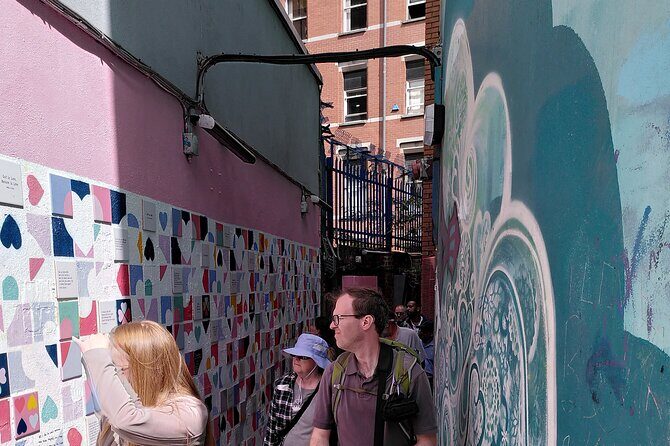
Dublin can feel friendly, but the history layers can get complicated fast. This tour fixes that with an Italian guide who stays in your language, so the city’s timeline makes sense instead of turning into a blur of names and dates. You’re not just sightseeing—you’re building a mental map.
I also like how the experience treats stories like part of the logistics. You’ll hear legends and strange anecdotes tied to the places you’re standing in front of, which is a big help when your feet and your brain both want something concrete. And with a smaller group (up to 30), you’ll usually get enough interaction to ask quick questions if something clicks—or doesn’t.
The whole point is to make Dublin feel less like a stop on a route and more like a place with reasons behind it. If you’re traveling with Italian as your working language, that alone can make the tour worth it.
You can also read our reviews of more tours and experiences in Dublin.



The route from Molly Malone Statue to Temple Bar
The tour starts at Molly Malone Statue on Suffolk St (Dublin 2). From there, you walk your way toward Temple Bar, finishing in the nightlife neighborhood so you’re not stuck planning your next move after the tour.
The pacing is built around short stops—some are about 20 minutes, others closer to 5 or 10. That’s good news if you want a strong overview in about 3 hours. It’s also why you should think of this as a “best orientation + highlights” day, not an all-day museum pass.
Because the tour ends in Temple Bar, you can keep your evening plan simple. If you want live music or a drink afterward, you’ll be in the right district to continue—without commuting back from somewhere far away.
Also, the route is near public transportation, which is handy if you want to adapt your day and not rely on one big walking loop.
Temple Bar in context, not just a photo backdrop
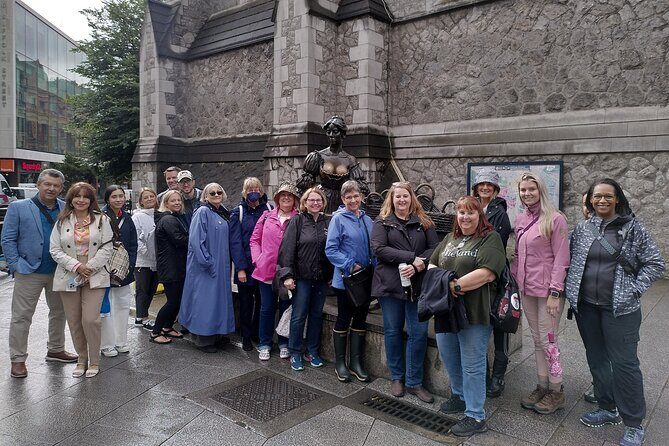
Temple Bar is the name everyone knows, but it’s more interesting when you understand what kind of place it is. This stop is focused on Dublin’s nightlife district, so you’ll get a sense of the vibe and what to pay attention to when you’re there later.
The practical value here is subtle: you’re not just arriving in Temple Bar as a tourist with no plan. You’ll finish the tour in the same area, with ideas for what to do next. The guide also recommends where to listen to music and where to eat and drink, with the goal of avoiding the worst tourist traps.
Even if you’re not a late-night person, Temple Bar can help you understand why Dublin nightlife became the story it is today. Look at the street energy, the mix of locals and visitors, and the way the district is built for evenings—then you’ll understand it instead of just photographing it.
Christ Church Cathedral: legends and the outside story
At Christ Church Cathedral, the emphasis is on the cathedral’s history, legends, and strange anecdotes from the outside. Expect a quick, guided orientation rather than a long indoor visit.
That “outside-first” approach has a benefit: you’ll connect the building to Dublin’s larger religious and political shifts without getting bogged down. It’s also time-efficient. You’ll get enough context to appreciate what you’re seeing, even if you don’t go inside.
The drawback is obvious if you crave interiors: this stop is designed around the exterior story. If you want stained glass, deeper exhibits, or long quiet time inside, you’ll likely want to return on a different day.
Still, for many visitors, learning the key legends and historical threads is the difference between a random old building and a meaningful landmark.
Dublin Castle and Victoria Gardens: Normans, Vikings, and a viewpoint
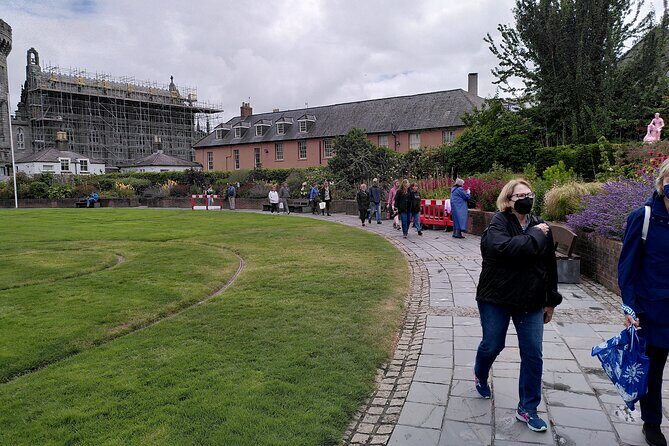
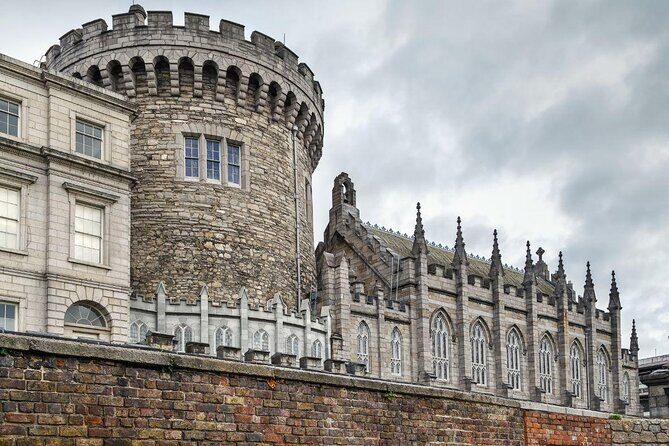
Dublin Castle is one of those locations where the layers of power show up in the architecture—and in the stories attached to it. Here, you’ll visit from the outside and also see the Victoria Gardens perspective while learning how Norman and Viking histories intersect around Dublin.
This stop works well because it doesn’t force you to memorize a timeline. Instead, the guide connects cause and effect: why these groups mattered, and how the city’s political shifts shaped what you see today.
If you like history but hate museum-style lectures, this is a friendly middle ground. You’re outside, you can take photos, and you get the “why” in manageable chunks.
It’s also a reminder that Dublin isn’t just one era. It’s a sequence of eras stacked on top of each other—sometimes so close together that you miss it unless someone points it out.






Molly Malone Statue: the legend you’ll hear over and over
The Molly Malone stop is short, but legends are like seasoning: a little goes a long way. You’ll learn the history and legend behind Ireland’s most famous girl.
Even if you already know the song, hearing the story in context changes the experience. It’s one of those moments where Dublin turns a pop-culture figure into something human and local—part folklore, part identity, part street legend that stuck.
This is also a good pause point. You’re not spending ages indoors; you’re walking, listening, and resetting your rhythm before the next stretch.
Dublinia: understanding how Vikings shaped the city
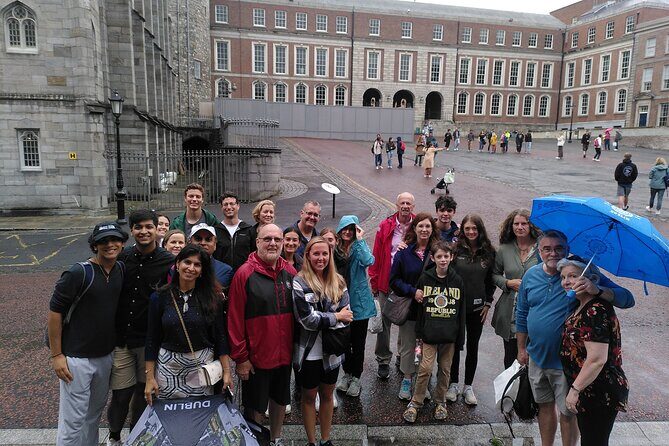
At Dublinia, the tour focuses on how deeply Dublin’s history ties to that of the Vikings who founded it. This stop is only around 10 minutes, but that’s long enough to set up the bigger picture.
The value here is direction. Without the framing, Dublinia can look like just another stop. With the framing, you start seeing Dublin’s street-level geography as the result of earlier eras. You leave with a better sense of what to notice next time you pass something historic.
If you want the full museum experience, you’ll still need a separate visit. But this tour gives you the “what to look for” angle so your later visit feels smarter.
Saint Patrick’s Cathedral: why the legends matter
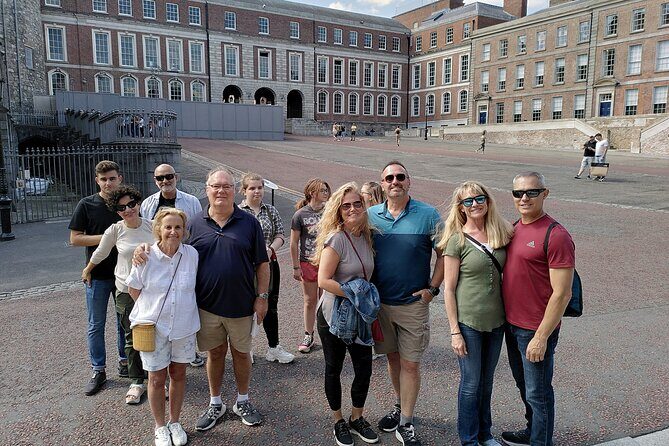
At Saint Patrick’s Cathedral, you’ll hear about the history and legends of the cathedral and the saint it’s dedicated to. Again, the format is short and story-based, which makes it ideal for a walking tour.
Saint Patrick is one of those figures that shows up everywhere, but the meaning shifts depending on the era and the audience. Hearing the cathedral-linked version helps you connect the legend to place, not just to text.
This is also a nice contrast to the Viking and castle stories. Dublin can be about power and conquest, but it’s also about belief, identity, and how communities explain their own story over time.
If you’re someone who enjoys hearing how myths get attached to real landmarks, this stop will click quickly.
Ha’penny Bridge: a tiny stop with big meaning
The Ha’penny Bridge stop is brief—about 5 minutes—but it’s built to answer one question: what makes this bridge special?
Bridges in old cities are never just crossings. They’re social connectors. They can signal commerce, movement, and how people shaped daily life. In a short stop, the guide’s job is to make you notice the details that make the bridge more than a quick photo.
This is a stop where it helps to listen closely. If you treat it like a random bridge photo, you’ll miss the point of why Dublin likes to talk about it.
Trinity College Dublin: truth vs legend in one of Ireland’s anchors
At Trinity College Dublin, the tour frames the visit around how the oldest university in Ireland may blur the line between truth and legend—depending on what you hear and how you interpret it.
This is a smart inclusion for a 3-hour tour because it shifts the focus from political history to ideas, education, and the stories societies tell about themselves. Universities are built out of reputations and traditions, and Dublin’s traditions are heavy with both fact and folklore.
You’ll likely leave with a more curious attitude as you look at the campus details. Even if you don’t go deep into campus life during this short stop, you’ll have enough context to understand why the name matters.
What your Italian guide does besides talk
This tour isn’t just a sequence of famous stops. The guide also helps with the small things that make a walking day actually work.
You’ll get:
- Time for photos and videos, so you’re not sprinting between corners.
- A break for bathroom needs, which sounds basic, but makes a difference on a tour day.
- Logistical support and advice for enjoying Dublin easier, including recommendations for music, food, and drinks.
- Help keeping attention balanced among participants, with support for your needs as you go.
In other words, the guide’s job is part storyteller, part trip planner. That’s also why the guide language matters. When explanations are in Italian, you can focus on the city instead of decoding.
If you’re the type who likes to ask quick questions, a smaller group can help those moments happen naturally.
Price and value: is $29.03 reasonable for 3 hours?
At $29.03 per person for about 3 hours, this tour is priced like a good orientation day rather than a premium, all-inclusive experience. The big value is that you’re not paying only for walking—you’re paying for an Italian-speaking professional guide who turns each stop into something you understand.
You also get practical inclusions: photo time, a bathroom break, and advice for where to go afterward. Those are real costs in your time and energy, and they often end up being the difference between a smooth day and a scattered one.
Plus, the listed sights are free to access for the tour stops you make. That helps keep the total day budget sane, since the tour doesn’t pile on entry fees for every stop.
What you should budget for yourself: coffee/tea isn’t included. If you want a café break, you’ll need to pick it on your own or rely on your guide’s recommendations.
Group size, timing, and what to pack
The tour caps at 30 travelers, which typically keeps it from feeling chaotic. You’ll also be walking through a central part of Dublin, so comfortable shoes are non-negotiable. You’re on your feet for a few hours, and some stops are quick.
As for timing, you’re looking at about 20 days in advance on average when people book. That suggests it can fill at popular moments, so if your dates are firm, booking earlier can save you stress.
Bring a phone (for the mobile ticket) and plan for weather. Dublin weather loves surprises, and you’ll want layers so you don’t cut the tour short just to stay comfortable.
Also, since some stops are outdoors-focused, you may want sunglasses or a rain layer depending on the forecast.
Who this tour is best for
This works especially well if:
- You want a Dublin overview in Italian without language stress.
- You enjoy history and legends, but prefer short stops over long sit-down museum marathons.
- You want a guided path from Molly Malone to Temple Bar with an end that makes sense for the evening.
- You appreciate practical guidance, like where to eat and listen for music without wasting time.
It may not be your best fit if you want deep interior visits everywhere. This tour is designed for context and orientation, with brief windows at each place.
Should you book this Dublin tour in Italian?
I’d book it if you want Dublin to make sense quickly—especially if Italian is your comfort language. The route hits major landmarks and also explains them with stories tied to Vikings, Normans, saints, and local legends. Add in photo time, a bathroom break, and a guide who can recommend what to do next, and you get a solid value package for about $29.
If you’re the type who plans to return to Dublinia, go inside cathedrals for long visits, or spend hours on campus, then this tour becomes the smart first layer. You’ll know what’s worth your time after you’ve got the bigger picture.
FAQ
FAQ
How long is the Complete tour of Dublin in Italian?
It lasts about 3 hours.
Where does the tour start and where does it end?
It starts at the Molly Malone Statue on Suffolk St, Dublin 2, and ends in Temple Bar.
Is the tour mostly outside?
Some stops are specifically described as outside (for example Christ Church Cathedral and Dublin Castle/Victoria Gardens), while other stops focus on guided discovery. Expect a walking format with shorter visits.
Are there admission fees for the included sights?
The stops listed for the tour are described as having free admission.
Does the price include a guide and a mobile ticket?
Yes. You get a professional guide and the tour uses a mobile ticket.
Is there a bathroom break?
Yes, the tour includes a break so you can use the bathroom if needed.
What if I need to cancel?
This experience is non-refundable and cannot be changed. If it’s canceled because the minimum number of travelers isn’t met, you’ll be offered a different date/experience or a full refund.