REVIEW · DUBLIN
Dublin: Windmill Lane Recording Studios Tour
Book on GetYourGuide →Operated by Windmill Lane Recording Studios · Bookable on GetYourGuide
First time at a music landmark?
Windmill Lane Recording Studios turns a famous Dublin address into a behind-the-scenes story of how records get built. You walk in past the metal doors and get guided through a working studio where music from Ireland and around the world has been shaped since 1978, with tech explanations that don’t feel like a lecture.
I especially love the way the tour connects big-name artists to real studio choices—like mic setup, the live room sound, and how mixes get shaped. I also like that you get more than photos and plaques; you get to hear and experience a binaural/360-degree sound moment that makes the recording process feel physical.
One thing to consider: this is a working, three-story building with limited access and no lift, and the studio tour isn’t designed for wheelchair users or people with mobility impairments.
In This Review
- Key highlights you should care about
- Windmill Lane feels like a real workplace, not a museum
- Entering the studio: what the first moments set up
- Studio 1: the room that helps you understand the magic
- The live room lesson: turning performance into a track
- Technology changes fast, but the goals don’t
- The audio moment: 360-degree binaural sound
- What you’ll see besides the rooms: plaques, consoles, and fun extras
- Guides can make or break it, and Windmill Lane leans hard on talent
- How long it is (and how to plan your Dublin day)
- Price and value: $25 for a studio you can actually hear
- Who this tour suits best
- Should you book Windmill Lane Recording Studios Tour?
- FAQ
- How long is the Windmill Lane Recording Studios Tour?
- How much does it cost?
- Where do I meet for the tour?
- Is food or drink included?
- Are cameras allowed inside the studio?
- Can I bring luggage or large bags?
- Is it suitable for kids?
- Is it accessible for wheelchair users?
Key highlights you should care about
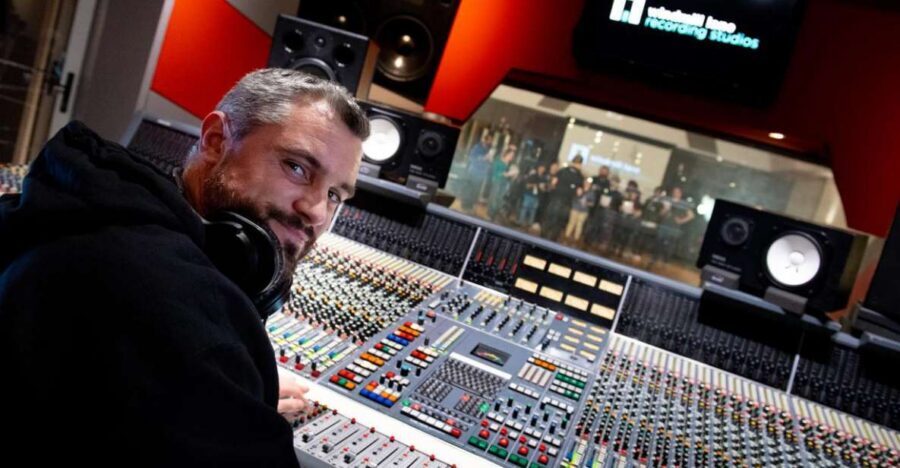
- Studio 1 access: You tour the iconic room where a lot of major sessions took place and where you can really picture the workflow.
- Guides who are musicians and producers: The best part is the human explanation, with tour guides who know the craft, not just the credits.
- Hands-on sound storytelling: You hear a band-style performance in the live room while the guide explains how it’s recorded.
- Tech timeline, not tech jargon: You learn how recording gear evolved from early devices to today’s computer software.
- Gold and platinum wall moments: You see awards and memorabilia that help explain how the studio’s role grew over decades.
- Commissioned binaural recording: The tour ends with a 360-degree audio demonstration so you can experience sound positioning.
Windmill Lane feels like a real workplace, not a museum
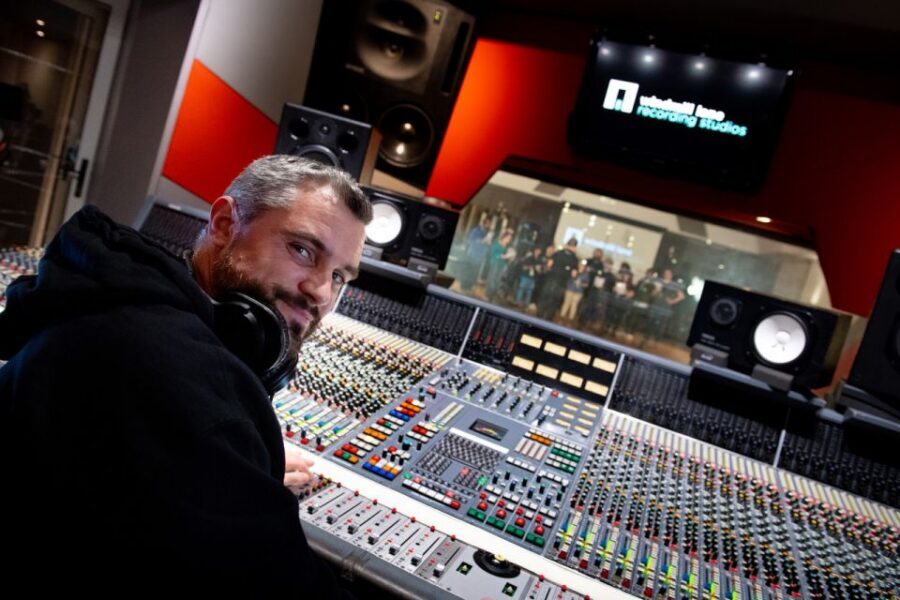
Some studio tours feel like a stage show. Windmill Lane doesn’t. It’s a working recording studio in a protected, historic building, so the vibe is more practical and grounded. Even if you’re not a production nerd, you’ll still understand what matters: the room, the gear, the choices, and the people making the record.
What makes it especially fun is the balance of story and sound. You’re shown why the studio became a magnet for artists and crews, and then you’re given moments that translate that story into audio reality. When you’re standing inside Studio 1 or hearing the live-room explanation, you start connecting the dots between what you hear on a record and what the engineers did to get it there.
You can also read our reviews of more tours and experiences in Dublin.



Entering the studio: what the first moments set up
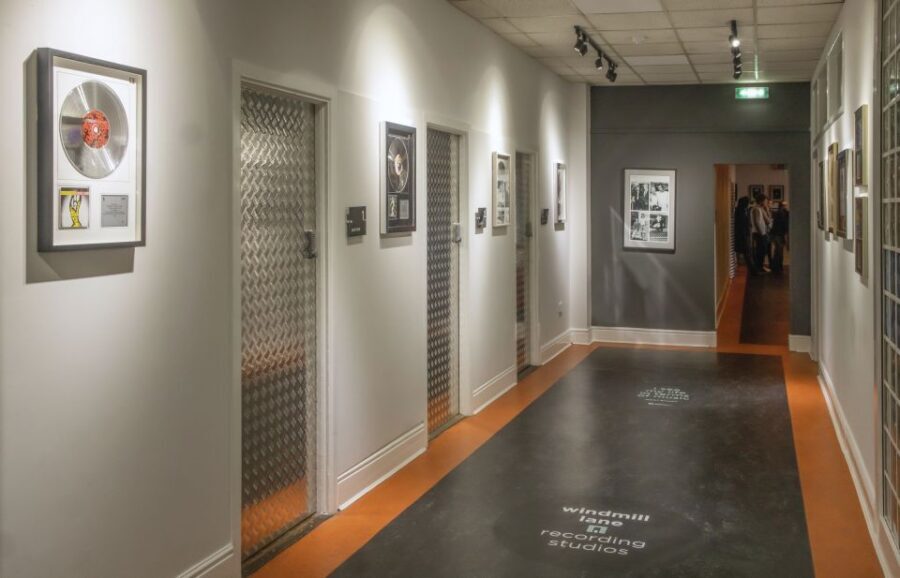
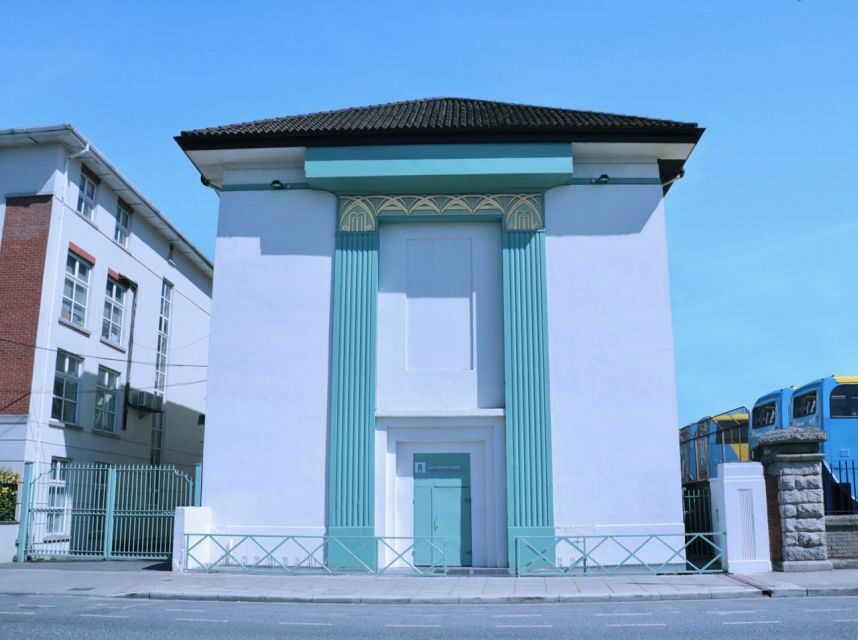
Right at the start, you meet at Windmill Lane Recording Studios and the tour loops back to the same spot when it’s done. You’ll go from the exterior vibe to the interior workflow fast—this isn’t slow sightseeing.
From the beginning, your guide frames the visit around a simple idea: studios aren’t about one magic machine. They’re about a chain of decisions—room acoustics, recording technique, how signals are captured, and how mixing shapes what you end up hearing.
In the early part of the tour, you’ll also see the “why it matters” proof. The tour includes a look at gold and platinum records and awards, plus the famous faces and projects tied to the studio’s reputation. Names mentioned include Lady Gaga, Hozier, Westlife, U2, The Cranberries, Kylie Minogue, Riverdance, and The Rolling Stones. Some sessions linked to the studio also show up in the stories you hear, including artists like Metallica and Ed Sheeran.
Studio 1: the room that helps you understand the magic

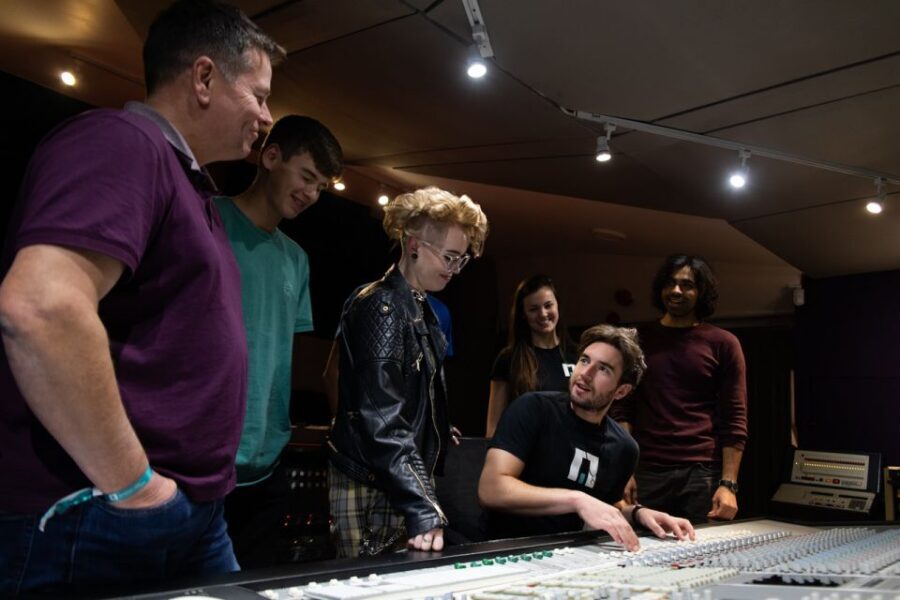
Studio 1 is the star stop for a reason. Even if you’ve never recorded anything, the moment you’re in that space, your brain starts doing what engineers do: imagining microphone placement, interpreting the room’s character, and picturing how a performance becomes a usable recording.
During the walkthrough, your guide points out what the room is designed to do. You’ll be guided through the studio’s setup and get a sense of why engineers liked (and still like) this place for sessions that needed both control and character.
One detail worth paying attention to: the tour isn’t just about looking at rooms. You also learn how the work happens inside them—especially the connection between the live room experience and the recording process. That’s how Studio 1 stops being a pretty set and becomes a functional explanation of recording craft.
The live room lesson: turning performance into a track
The tour includes a moment where your ears do the work. You’ll be filled with the sound of a band-style performance in the live room, while your guide explains the recording steps behind it.
This is valuable for you because it bridges the gap between listening and understanding. You don’t need musical training. Instead, you get an honest, plain-English pathway from:
- what’s captured in the room,
- how that capture is handled by the recording chain,
- and what it takes to make it sound like a finished record.
This part is where the tour earns its “worth it” rating. It’s not only history; it’s process.
Technology changes fast, but the goals don’t
A big part of the explanation is how recording technology evolved over time. You’ll hear how the studio’s approach shifted from early devices to modern workflows using computer software.
Don’t expect a crash course in electronics. The point is clarity: different eras of technology change the tools, but the engineering goals remain similar—get a clean signal, preserve performance energy, and create space in the mix.
You’ll also get examples of how recording and mixing choices affect what you hear. That’s the kind of information that makes you listen differently after the tour. It’s also why this tour works for both die-hard music fans and curious first-timers.




The audio moment: 360-degree binaural sound
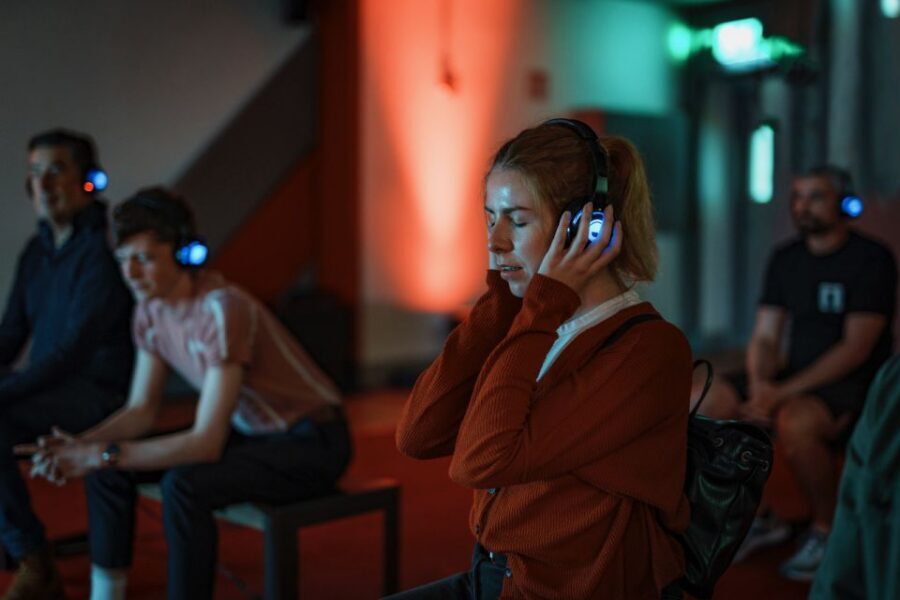
If you want one highlight you can brag about later, it’s the commissioned binaural recording and the 360-degree audio demonstration.
Binaural sound is meant to recreate how human hearing locates sounds in space. In practice, that means it can feel like you’re surrounded by the audio scene rather than just hearing it through a couple of channels.
This demo sticks with you because it ties directly to studio decisions. It’s a reminder that mixing isn’t only about volume balance. It’s also about positioning, tone, and the illusion of space.
What you’ll see besides the rooms: plaques, consoles, and fun extras
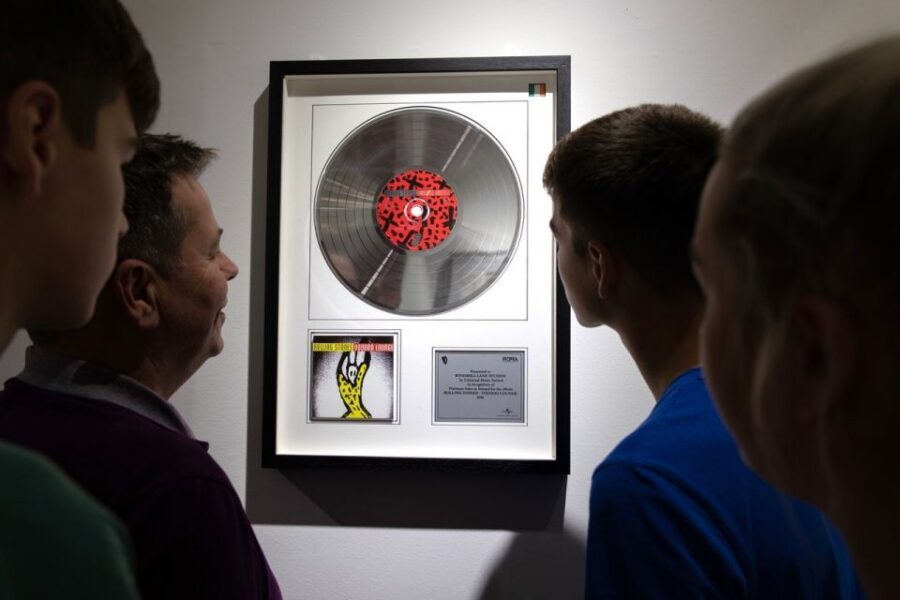
Windmill Lane doesn’t hide the evidence. You’ll see gold and platinum awards and Grammy-related memorabilia tied to major careers. You’ll also run into fan-friendly moments like an autographs wall, where the studio experience becomes part history board and part playful interaction.
Some tours also give you a chance to sit in the seats used by engineers or experience small moments around studio gear access—details vary by session and what’s happening as it’s a working facility. Either way, the energy stays focused: this is about music production, not a generic guided building walk.
Guides can make or break it, and Windmill Lane leans hard on talent
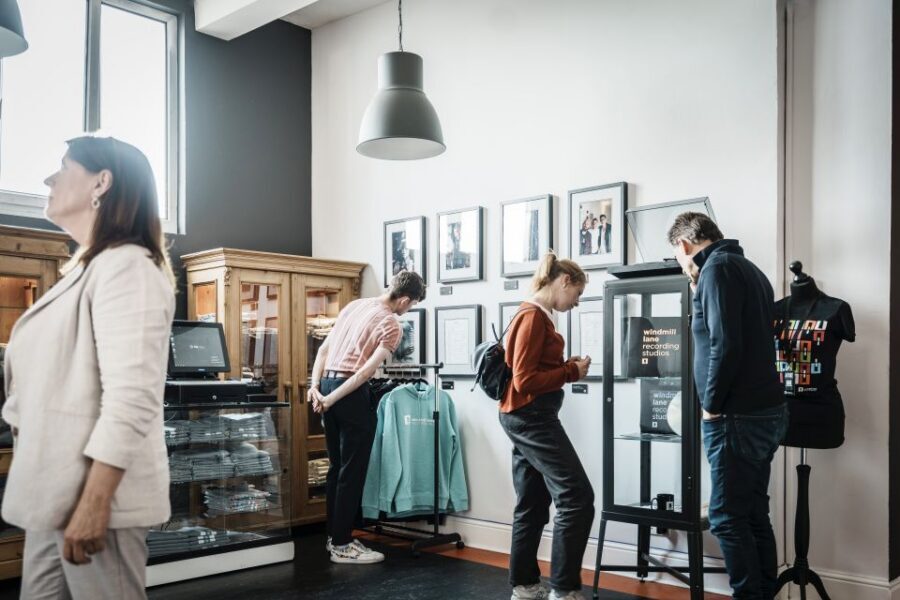
A standout from the guide experience is that the people leading the tour aren’t reading from a script. Their background includes music-making and production knowledge, and it shows in how they answer questions.
You may meet guides such as Maeve, Aiden, Zara, Stefan, Maria, Ian, or Ross depending on the day. The consistent theme is clear and friendly: they explain recording concepts at a pace that fits the group, and they’re comfortable talking about both the iconic names and the practical studio steps.
If you’re a “hands-on questions” type of traveler, you’ll probably enjoy this format. If you prefer to listen quietly, you can still hang back—the tour isn’t built like a classroom participation quiz.
How long it is (and how to plan your Dublin day)
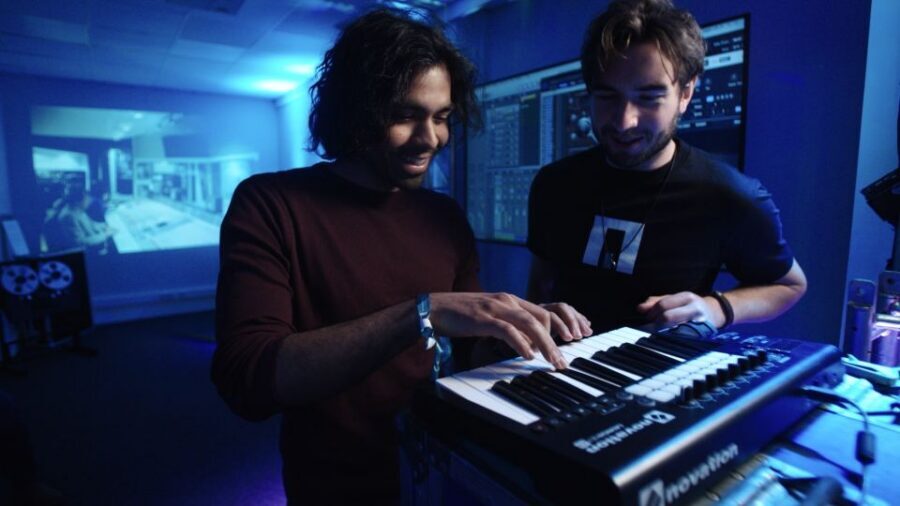
This is a 1-hour tour. That makes it easy to fit into a busy Dublin itinerary, especially if you’re also doing pub time, museums, or day trips. You’ll want to plan around start times since tours only begin at designated moments.
Because there’s no hotel pickup, you’ll need to get yourself to Windmill Lane Recording Studios. The good news: you’re in a central area, and there’s food and drink nearby, since the studio itself doesn’t sell refreshments.
Pro tip for your day plan: treat it like a scheduled appointment, not a drop-in attraction. If you want photos or souvenirs, remember the studio rules: cameras aren’t allowed, and large bags or luggage aren’t allowed either.
Price and value: $25 for a studio you can actually hear
At $25 per person for about an hour, this is one of those Dublin activities that feels priced for real interest, not just check-the-box tourism.
Here’s why the value works:
- You get a guided walkthrough of iconic studio spaces rather than a vague external view.
- You learn recording concepts with sound demonstrations, including live-room audio and binaural 360-degree sound.
- You’re paying for access to a working studio environment, plus an expert guide who can answer music-production questions.
If your travel style is mostly scenery, this may feel niche. If you love how music gets made, it’s a high-impact hour.
Who this tour suits best
This tour is ideal if you:
- like music enough to care about how tracks are recorded and mixed,
- enjoy hearing the connection between studio craft and famous artists,
- want a Dublin experience that feels authentic and specific, not generic.
It may not be the best match if you need easy wheelchair access or have mobility limitations. The building is historic, three stories, and has limited access with no lift facilities. The tour also isn’t suitable for children under 5 years.
Should you book Windmill Lane Recording Studios Tour?
If you’re even a little curious about the mechanics behind favorite songs, I think you’ll enjoy this. The combination of Studio 1 access, live-room recording explanation, and the binaural 360-degree sound demo makes it more memorable than most “look at the building” tours.
Book it early if you’re set on a specific day, and plan for the practical rules: no cameras, no large bags, and expect a bit of walking and stair access in a three-story historic space.
If you want a Dublin stop that turns music fandom into understanding, this is a strong pick.
FAQ
How long is the Windmill Lane Recording Studios Tour?
The tour lasts about 1 hour.
How much does it cost?
The price is $25 per person.
Where do I meet for the tour?
You start at Windmill Lane Recording Studios. The tour ends back at the meeting point.
Is food or drink included?
No. Food and drink are not available for purchase on-site, though there are nearby cafés and restaurants.
Are cameras allowed inside the studio?
No, cameras are not allowed.
Can I bring luggage or large bags?
No, luggage or large bags are not allowed.
Is it suitable for kids?
It’s not suitable for children under 5 years.
Is it accessible for wheelchair users?
No. The studio does not have lift facilities and it is not suitable for wheelchair users or people with mobility impairments.