REVIEW · DUBLIN
Dublin Jewellery Forge a Hammered Silver ring:Georges Street
Book on Viator →Operated by Silver Works · Bookable on Viator
A ring you make, in real time, in Dublin. This hands-on class at Silver Works on South Great George’s Street turns a strip of sterling silver into a wearable Irish keepsake, with a pro soldering demo explained as it happens.
I especially like how the pace is built around you making choices: you pick the finger length, shape the band with guidance, and later decide on the ring’s curve, texture, and polish. The second big win is the teaching style—step-by-step, with instructors close by—so even if you’ve never tried metalwork before, you’re not left guessing. One consideration: the studio sits in old period buildings with plenty of stairs and no lift, so plan for that from the start.
In This Review
- Key Things to Know Before You Go
- Entering Silver Works on South Great George’s Street
- The 2-Hour Flow: From Silver Strip to Finished Ring
- Sizing and cutting: start where the ring actually begins
- Shaping: mallet + ring mandrel
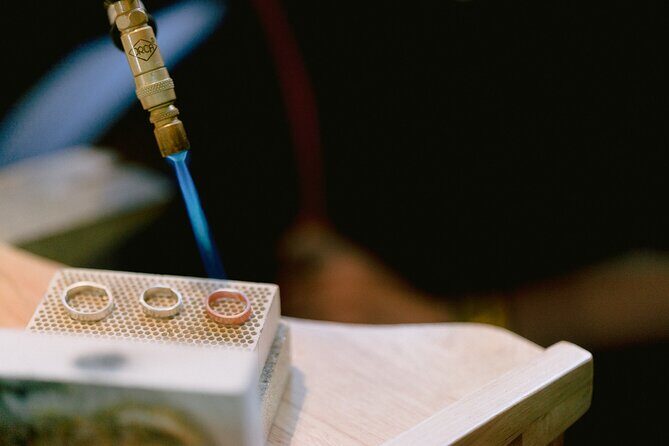
- Soldering demo: a guided join, explained as it happens
- Filing and curve control: make it feel right
- Textures You Choose, Not Just Templates
- Polish Choices: Rustic Inside-Only vs Full Sparkle
- What’s Included (And What You’re Really Paying For)
- Small Group Energy and Teaching Style
- Timing Tips That Actually Matter
- Who This Workshop Fits Best
- Should You Book This Hammered Silver Ring Class?
- FAQ
- What is the duration of the Dublin Jewellery Forge hammered silver ring workshop?
- How much does it cost per person?
- Where does the workshop meet?
- Is sterling silver included?
- Do I get to take the ring home?
- Can I customize the ring?
- Is coffee, tea, or chocolate included?
- Is the workshop offered in English?
- What is the group size like?
- Are there age restrictions?
- Is the venue wheelchair accessible?
- What happens if I’m late?
Key Things to Know Before You Go
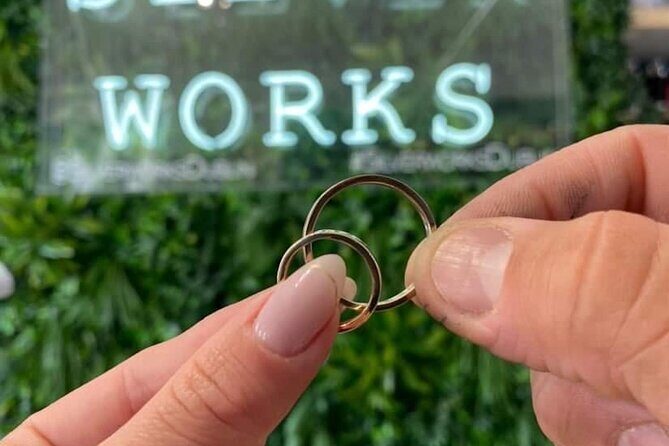
- Make it your own: choose finger sizing, ring curve, and a texture pattern
- Soldering happens in front of you: an expert tutor explains what’s going on as it’s done
- Real hands-on tools: handsaw, mallet, ring mandrel shaping, filing, and planishing hammer texturing
- Small class size: a maximum of 12 travelers, which keeps questions flowing
- You leave with the ring: polished options let your final look match your style
- Included comfort breaks: coffee/tea and lots of chocolate during the workshop
Entering Silver Works on South Great George’s Street
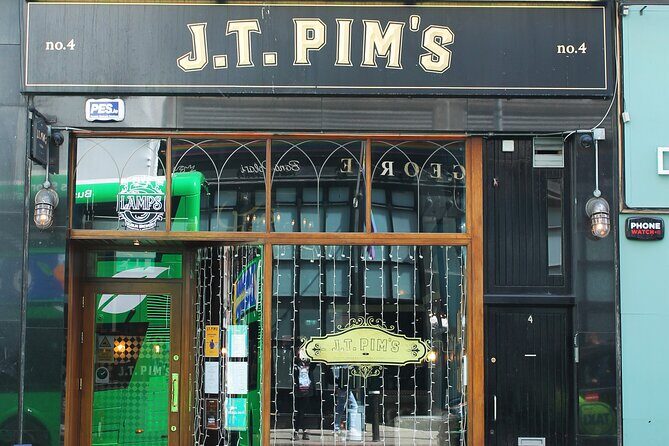
This experience is based in Dublin 2, starting at Silver Works4 South Great George’s Street. The vibe is focused and practical: you’re there to work with your hands, not just watch. Because the space is small, it also helps to arrive prepared to move around comfortably and keep things simple.
The setting matters. You’re in two old period buildings, and there’s no lift. If stairs are a challenge for you, you’ll want to factor that in before booking. Also note the studio can’t offer luggage storage, so travel light. If you’re coming straight from another stop in town, keep your bag minimal so you can move freely during the session.
You can also read our reviews of more tours and experiences in Dublin.



The 2-Hour Flow: From Silver Strip to Finished Ring
The workshop runs about 2 hours and is structured like a guided build. You’ll start by selecting which finger you want to wear the ring on, then you size the band and shape it into a ring form. There’s a clear logic to the sequence: cut to length, form to shape, join parts (solder), then refine with filing and finishing steps.
Here’s the process you’ll go through, in the same order you’ll experience it:
Sizing and cutting: start where the ring actually begins
You begin by marking your silver to the correct length by choosing the finger you want it on. Then you use a handsaw to cut it to size. This part feels more straightforward than it sounds. The instructor shows you what to do, and because you’re doing it at a controlled pace, you’re not left to improvise.
Shaping: mallet + ring mandrel
Next you learn how to form the ring. You’ll use a mallet to shape the silver around a ring mandrel. This is where your band starts to look like a ring rather than a flat piece of metal.
If you want an end result that looks intentional, pay attention here. Small differences in shaping influence how the ring sits and how it will behave once it’s soldered and filed.
Soldering demo: a guided join, explained as it happens
Then comes the part most people find most fascinating: you watch the ring get soldered by an expert tutor. The key is that you’re not just watching a silent process—you get explanations throughout.
This matters for two reasons. First, soldering is where rings either hold up or fall apart, so seeing the technique taught clearly helps you understand the stakes. Second, it helps you connect later steps—filing, adjusting, and finishing—to what the soldered join needs to become.






Filing and curve control: make it feel right
After shaping and soldering, you learn to file using different hand files. This is also where you get to individualize the ring by deciding what curve you want.
That detail matters more than you might expect. A ring’s feel is tied to its profile, not just its size. If your goal is a piece you’ll actually want to wear, this is your moment to aim for a comfortable look and feel.
Textures You Choose, Not Just Templates
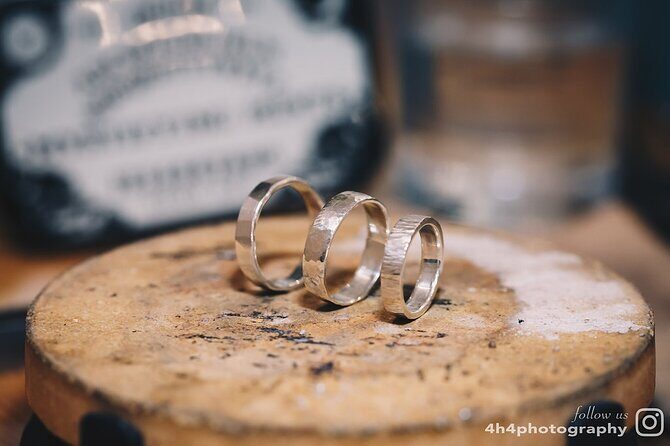
After the curve and filing stage, you’ll choose from three different textures. This is a real creative turning point. Instead of picking a pre-made design, you’re selecting the finishing style you’ll apply.
Then you use a planishing hammer to achieve the texture you want. Planishing is about compressing and shaping the surface so the pattern pops without turning the ring into something rough or uneven.
If you like a ring that looks intentionally handmade—like it has character—this is the part that delivers. A polished band can look elegant, but a hammered surface can look like it belongs to Irish craft tradition, the kind you can’t buy off a rack.
Polish Choices: Rustic Inside-Only vs Full Sparkle
When you reach the finishing stage, you get to choose your polish look. You can choose to be polished only on the inside, which creates a more artistic/rustic impression overall. Or you can choose the fully polished version for more of that bright, glittering sparkle.
This choice is practical. Inside-only polishing can be a nice compromise if you like the look of a hammered exterior but still want comfort on the side that touches your skin. Full polishing gives you more uniform shine, and it photographs well—useful if you want this ring to feel like a real travel souvenir, not a craft project you made once.
What’s Included (And What You’re Really Paying For)
The price is $103.79 per person, for an experience that runs about 2 hours. The workshop includes sterling silver for your ring, plus coffee and/or tea and lots of chocolate.
So where is the value? You’re paying for three things that add up fast:
- Materials: sterling silver isn’t just a prop; it becomes your take-home ring
- Technique: the soldering and shaping are taught with hands-on guidance
- Personalization: you make decisions on curve, textures, and polish, rather than choosing a finished setting
That combo is what turns this from a casual activity into a souvenir with meaning. It’s also a solid option on a day when Dublin weather is doing its usual unpredictable thing—something active, creative, and warm.
Small Group Energy and Teaching Style
The class has a maximum of 12 travelers, which keeps it from feeling crowded. The size also helps with flow. When you’re filing, hammering, or shaping, you don’t want to wait around for help.
The teaching approach comes through in how people describe the experience: the instruction is patient, clear, and detailed. You might meet an instructor such as Emily, Trisha, or Cat—names that show up in past participant experiences—and in each case the common thread is guidance you can follow while still doing the work yourself.
And yes, the workshop includes breaks and treats. You’ll have coffee and/or tea plus chocolate during the session, which is a small but welcome detail when you’re doing hands-on tasks.
Timing Tips That Actually Matter
A few timing realities can make or break a smooth workshop.
First: the session lasts about 2 hours, so pick a time when you won’t be rushed afterward. Second: if you arrive more than 10 minutes late, you won’t be permitted entry, and you won’t get a refund or reschedule. That’s strict, but it’s common for small classes where everyone needs to start together.
Third: since you’re in an area with plenty of things to do, don’t plan a tight schedule before your class. Dublin is easy to wander in, but you don’t want sightseeing momentum to collide with tool time.
Who This Workshop Fits Best

This is a great choice if you want a souvenir that isn’t mass-produced. The whole point is that your ring reflects decisions you made—finger size, curve, and texture—plus the work you put into shaping it.
It also suits a range of people because the class teaches from scratch. No prior metalwork experience is required based on how the process is described. People also mention the experience is enjoyable for cold, rainy days because it’s warm and indoor.
A key suitability note: no children under 10. And for kids under 16, they need to be accompanied by a paying adult.
If you’re traveling solo and want something social, small group size helps. If you’re going with a partner or friends, it’s also a good shared activity—you’ll all end up with something wearable and personal.
Should You Book This Hammered Silver Ring Class?
Book it if you want a hands-on Dublin activity with a strong payoff: you walk out with a finished sterling silver ring that you made yourself. It’s one of those rare travel moments where the souvenir has a story built in, not tacked on later.
Skip or reconsider if you know stairs and limited building access would be a problem for you, or if you need luggage storage. Also consider your timing tolerance: the 10-minute late-arrival limit is firm.
If you want an authentic craft experience that’s active, creative, and genuinely memorable, this is an easy yes for most visitors to Dublin—especially if you’re the type who likes bringing home something you can wear, not just look at.
FAQ
What is the duration of the Dublin Jewellery Forge hammered silver ring workshop?
The workshop lasts about 2 hours.
How much does it cost per person?
The price is $103.79 per person.
Where does the workshop meet?
It starts at Silver Works4 South Great George’s Street, Dublin 2, D02 NR59, Ireland.
Is sterling silver included?
Yes. Sterling silver for your ring is included.
Do I get to take the ring home?
Yes. You keep your handmade silver ring when the workshop ends.
Can I customize the ring?
Yes. You choose the finger sizing, you can shape the curve, pick from three texture options, and choose your polish style.
Is coffee, tea, or chocolate included?
Yes. Coffee and/or tea plus lots of chocolate are included.
Is the workshop offered in English?
Yes. It is offered in English.
What is the group size like?
The workshop has a maximum of 12 travelers.
Are there age restrictions?
Yes. No children under 10, and children under 16 need to be accompanied by a paying adult.
Is the venue wheelchair accessible?
No. The buildings have plenty of stairs and there is no lift.
What happens if I’m late?
If you arrive more than 10 minutes late, you won’t be permitted entry to the workshop and you are not entitled to a refund or reschedule.