REVIEW · DUBLIN
The Dublin Incident: Alien, Whiskey & Clues Exploration Game
Book on Viator →Bookable on Viator
A Dublin walk that plays back. This self-guided phone puzzle game turns major stops like St. Patrick’s Cathedral into clue-by-clue sightseeing, so you’re not just looking at landmarks. I like how it mixes real places with problem-solving, which makes the walking feel purposeful. I also like the offline setup and start-anytime flexibility, which fits normal travel chaos. One possible drawback: if the ticket or start process feels fiddly, you could lose some precious holiday time.
What you do is simple. You follow clues, solve puzzles to move from one landmark to the next, and at each stop you get guidance on where to go next plus learning about what you just found. Because it’s self-guided, you’ll need your phone (and a bit of patience when you’re waiting on a clue to load). If you hate tech or want a live guide to explain everything, this may feel like a DIY project.
In This Review
- Key points to know before you play
- Why a Dublin clue game beats a standard sightseeing day
- Price, time, and what you really get for $10.46
- Starting in The Liberties: your clue launch point near public transit
- St. Patrick’s Cathedral stop: learning you earn by solving
- Guinness Storehouse and Teeling Distillery: two drink stories in one walking arc
- Irish Museum of Modern Art: a puzzle-friendly pause in the middle
- Ending at Kilmainham Gaol: finish in a new part of Dublin
- How to play offline, stay on track, and avoid wasted time
- Who this Dublin Incident game is best for
- Should you book The Dublin Incident: Alien, Whiskey & Clues game?
- FAQ
- Where does the game start?
- Where does the game end?
- How long does the experience take?
- Do I need an internet connection to play?
- Can I start at any time and pause/resume?
- Is there a physical tour guide included?
- Is the ticket mobile?
- Is this activity free for children?
- What is the cancellation policy?
Key points to know before you play
- Clues link major Dublin landmarks so your walk has a storyline, not random wandering
- Offline play means you can keep moving even if signal is weak
- Start anytime, take breaks, resume later so the game fits your day, not the other way around
- End at Kilmainham Gaol which helps you finish in a different area instead of backtracking
- Private for your group so you’re not stuck waiting on strangers’ pace
- Free for kids which can make the game a budget-friendly family outing
Why a Dublin clue game beats a standard sightseeing day

Dublin can be great with a pass, a map, and good walking shoes. But this kind of game adds a different layer: you move because you have to, not because you feel like it. That small shift can help you see more in less time, especially if you’re juggling timing, weather, and energy.
I also like that the game is built around “arrive, solve, learn.” You’re not just taking photos at famous places. You get puzzles that push you from one landmark to another, and once you’re there you get indications for the next step plus quick info about what you’ve discovered. It’s a practical way to turn Dublin sightseeing into something you actually remember.
And the alien-and-whiskey theme gives you a playful reason to care, even if you’re not a hardcore puzzle person. Think of it as guided wandering, minus the person in the front holding the microphone.
You can also read our reviews of more tours and experiences in Dublin


Price, time, and what you really get for $10.46

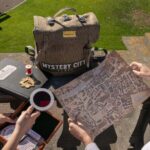
The price is $10.46 per person, for about 1 to 2 hours. On paper, that looks inexpensive, but the bigger value is what you get for that time: a structured route through multiple famous stops, plus learning built into each location.
You’re not paying for a bus, a guide, or an itinerary with fixed timing. You’re paying for a phone-based experience that you can start at any hour and pause when you want. If you’re traveling with friends, the group discounts can make it even more sensible. If you’re traveling solo, it’s still low risk because you can stop and re-start instead of being trapped in a rigid schedule.
One thing to keep in mind: you’re responsible for your own pace. The game works best when you’re comfortable using your phone outdoors and when you’re okay spending a little time solving puzzles instead of purely sightseeing.
Starting in The Liberties: your clue launch point near public transit

You begin at 12 Newmarket, The Liberties (Dublin 8). This matters more than it sounds. Starting in The Liberties is a practical choice because it’s a real neighborhood, not just a tourist doorstep in the center. You’ll likely feel like you’re getting into Dublin life faster.
From there, the whole experience runs as a chain reaction: follow a clue, solve a puzzle, reach the next stop, then get guidance on how to continue. That pattern keeps you moving through the city instead of circling the same block.
Also, the start location is described as near public transportation. That’s a big deal for a one-to-two-hour activity. It means you can plug the game into your day without planning a complicated route just to get there.
St. Patrick’s Cathedral stop: learning you earn by solving
One of the landmarks in the game is St. Patrick’s Cathedral. In a normal visit, you might walk up, glance around, and move on. Here, the structure changes things. You get a clue, solve your way to the cathedral area, then you’re guided on what comes next while learning about the place you’ve found.
That “solve first, look second” approach helps you focus. You’ll have a reason to slow down and notice details instead of treating it like another checkbox. It’s also a good fit if you’re traveling with people who can’t agree on what to do. The puzzle gives everyone a common task, and the learning segment gives everyone something to absorb.
Potential drawback: cathedrals can have specific visiting rules, and exterior areas can be busy. Since you’re managing it on your own, plan a calm pace and be okay with taking the puzzle slower if you run into crowds.
Guinness Storehouse and Teeling Distillery: two drink stories in one walking arc

The game includes famous drink-related stops, including the Guinness Storehouse and the Teeling Distillery. These aren’t small landmarks, so they’re ideal targets for a clue-based route. Big places are easier to navigate, and puzzles keep the visits from feeling like passive line-standing.
What makes these stops work in the game format is the balance of familiarity and curiosity. You already know Guinness in broad strokes. The puzzles and quick learning prompts can help you notice things you would normally skip, like the kind of story people tell when they talk about Dublin’s drinking culture.
Teeling adds a different angle. Even if you’re not a craft-whiskey expert, the distillery stop gives the theme a second heartbeat, so your route feels varied instead of repeating one mood. It’s also a good break from purely sightseeing because distilleries are designed for visitors, with clear surroundings that support a self-guided hunt.
Practical note: these are popular sites. The game duration is short (1–2 hours), so you won’t want to plan this as a slow museum-style day. Use it as a structured way to see the key landmarks, not as an all-day deep visit.






Irish Museum of Modern Art: a puzzle-friendly pause in the middle
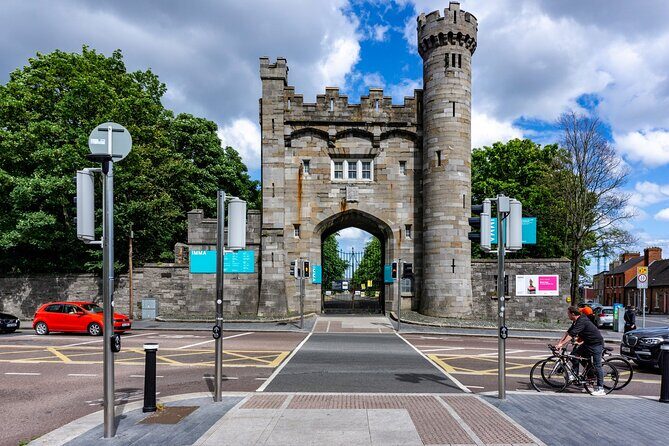
Another named stop is the Irish Museum of Modern Art. This is smart placement for a game route. If your day starts feeling heavy with big-ticket landmarks, modern art can reset your brain.
In a self-guided format, art museums can be either amazing or exhausting, depending on how you approach them. The clue-and-indication structure helps here: you’re not wandering aimlessly. You’re moving with intent, and your brain has something to do besides just stare at walls.
The learning prompts at each stop are the point. You’re meant to connect the puzzle theme to what you’re seeing, and that’s often how people end up enjoying museums more. If you like short, focused cultural stops rather than long sessions, this museum stop can fit your time nicely.
A consideration: modern art can be hit-or-miss for taste. If your group strongly prefers history or architecture over contemporary art, you might enjoy the route more if you treat the museum as a stop for the game rather than a full museum day.
Ending at Kilmainham Gaol: finish in a new part of Dublin
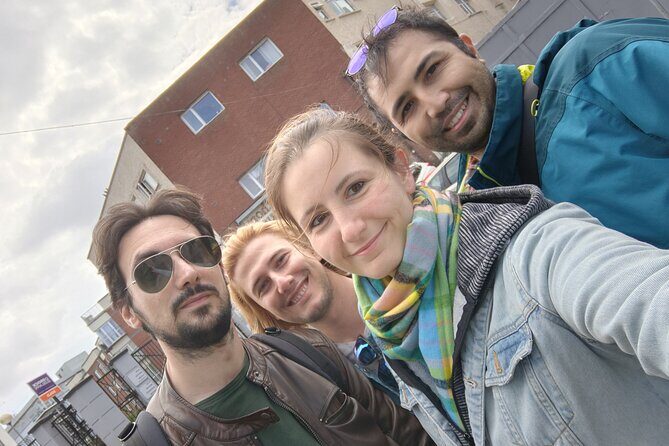
The game ends at Kilmainham Gaol, Inchicore Rd, Kilmainham (Dublin 8). That ending matters. You’re not returning to the exact same starting area, so the route naturally shifts where you’ll be later.
Ending at Kilmainham Gaol is also thematically strong. The story behind Dublin’s sites can feel more serious here, and finishing your game with a weightier landmark gives your day a clear emotional arc. Even if you’re not planning extra museum time, the last stop gives a memorable final anchor.
Downside to keep in mind: Kilmainham is a different vibe and a bit farther from central starting points. Since the whole activity is short, you’ll want to time the game so you can continue your evening plans afterward without feeling rushed.
How to play offline, stay on track, and avoid wasted time
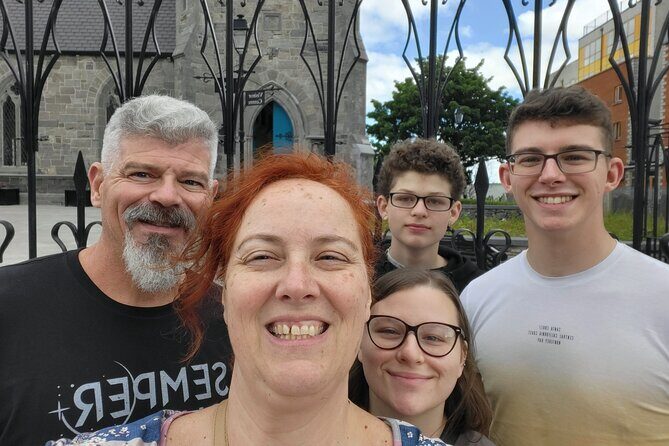
This experience is designed for real travel conditions. You can play offline, and you don’t need an internet connection to work through the game. That’s huge in Dublin, where you might roam through areas with spotty signal.
Because it’s offline, your phone battery becomes your real bottleneck. I recommend you head out with a charged battery and bring a charging option if your phone runs down fast. Nothing kills momentum like stopping mid-puzzle because your battery hits red.
Also, the game is full flexibility: you can start at any hour, take a break at any time, and resume later. That’s one of the biggest advantages for travelers. If it starts raining, you don’t have to sprint through it. You can pause, grab a drink, and come back when you’re ready.
One more practical thought: a low-cost game should still start smoothly. Still, I’ve seen how frustrating it can be when the purchase or start steps take longer than expected. Plan for extra time before you begin, especially if you’re trying to fit it into dinner plans or a tight schedule. Once you’re started, the rest is straightforward: follow clue, solve puzzle, then get indications and learn at the next stop.
Who this Dublin Incident game is best for

This is a self-guided activity, and that’s the key. It works best when you like walking around a city with a simple framework. If you want a live lecturer explaining every detail, you’ll probably miss having a physical tour guide.
It’s also good for:
- Small groups who want a shared activity, not just separate sightseeing
- Families, since it’s marked as free for kids
- People who prefer flexible plans, because you can start anytime and pause/resume
The activity is described as having group discounts and being private for your group. That combination is useful if you’re traveling with friends who move at different speeds. You’re not waiting on a big group.
Finally, it’s listed as suitable for most travelers. If anyone in your group has mobility constraints, you’ll want to judge whether the walking between major landmarks matches what they can comfortably handle. The game format supports a pace you control, but the city route still involves movement.
Should you book The Dublin Incident: Alien, Whiskey & Clues game?
If you want a fun, structured way to see Dublin’s headline stops in about 1 to 2 hours, I think it’s a solid buy. The price is low, the flexibility is real, and offline play is the kind of detail that makes travel easier. The idea of moving clue-to-clue between places like St. Patrick’s Cathedral, Guinness Storehouse, Teeling Distillery, Irish Museum of Modern Art, and ending at Kilmainham Gaol makes the experience feel like a route, not just a list.
Don’t book it if you hate phone-based tasks or you expect a guide to manage the whole experience for you. Also, if you’re the type who gets stressed by app setup, build in a bit of buffer time so you don’t turn a holiday into troubleshooting.
FAQ
Where does the game start?
The start point is 12 Newmarket, The Liberties, Dublin 8, D08 P3Y2, Ireland.
Where does the game end?
The game ends at Kilmainham Gaol, Inchicore Rd, Kilmainham, Dublin 8, D08 RK28, Ireland.
How long does the experience take?
Plan for about 1 to 2 hours.
Do I need an internet connection to play?
No. You can play offline, so you don’t need internet connection to use the city game.
Can I start at any time and pause/resume?
Yes. You can start at any hour, take a break at any time, and resume later.
Is there a physical tour guide included?
No. This is a self-guided experience and does not include a physical tour guide.
Is the ticket mobile?
Yes. The experience includes a mobile ticket.
Is this activity free for children?
Yes, it is marked free for kids.
What is the cancellation policy?
You can cancel for free up to 24 hours in advance for a full refund. Canceling less than 24 hours before the start time is not refundable.