REVIEW · DUBLIN
From Dublin: Belfast and Giant’s Causeway: 2-Day Guided Tour
Book on GetYourGuide →Operated by Paddywagon Tours · Bookable on GetYourGuide
Two days, three icons, and one big coastline. This Dublin to Belfast guided tour strings together Titanic Belfast and Giant’s Causeway, with a Belfast city window that helps you understand how Northern Ireland has changed in a new era of peace. You’ll also get a coastal day through County Antrim that feels like a greatest-hits reel, with photo stops and enough time on-site to actually enjoy the places.
I like how the itinerary mixes big sights with smaller, meaningful stops. You’ll pass through Drogheda and see the preserved head of St. Oliver Plunkett at St. Peter’s Cathedral, then visit Monasterboice’s ancient ruins and hand-carved Celtic crosses before you settle into Belfast. After that, Day 2 keeps the pace moving along the coast, so you get both famous landmarks and dramatic scenery.
One consideration: timing and communication can make or break the day. You only get a couple hours for Belfast on Day 1, shops can run late on Sundays, and if you need extra clarity from the guide, it’s worth knowing the tour runs in English and not everyone is always at the same level of spoken detail.
In This Review
- Key highlights at a glance
- Getting from Dublin to Belfast on the Peace Highway
- St. Peter’s Cathedral in Drogheda: St. Oliver Plunkett’s preserved head
- Monasterboice ruins and those famously carved Celtic crosses
- Belfast on Day 1: two hours to choose your mood
- Titanic Belfast: the story takes you from shipyard ambition to tragedy
- Where you sleep: Belfast’s historic university quarter
- Day 2 by County Antrim: rope bridge views toward Rathlin Island
- Giant’s Causeway: 40,000 basalt columns and how to pace two hours
- Dunluce Castle ruins: the MacDonnell cliff-top scene
- Dark Hedges: a haunted-feeling tree-lined road and Game of Thrones fame
- Price and logistics: what you get for $234 per person
- Who this tour fits best (and who should skip)
- Should you book this Dublin to Belfast tour?
- FAQ
- How long is the tour?
- Is there an overnight stay included?
- What’s included in the price?
- Are lunch and dinner included?
- What do you do on Day 1?
- What are the key stops on Day 2?
- How much time do you get at Giant’s Causeway?
- Is the Carrick-a-Rede bridge part of the tour?
- Is it wheelchair accessible?
- Is free cancellation available and can I reserve without paying now?
Key highlights at a glance
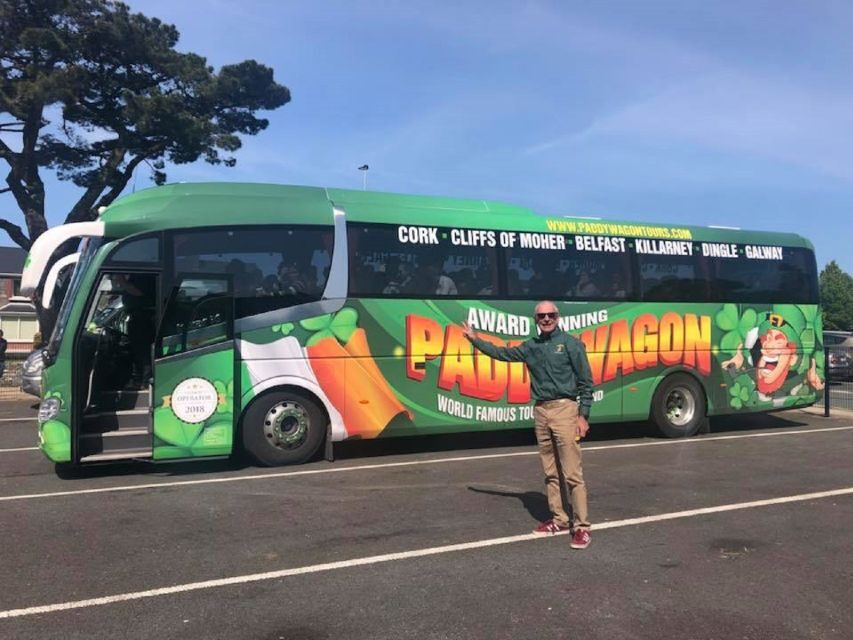
- Titanic Belfast with about two hours to follow the ship’s full story, from concept to launch and final voyage
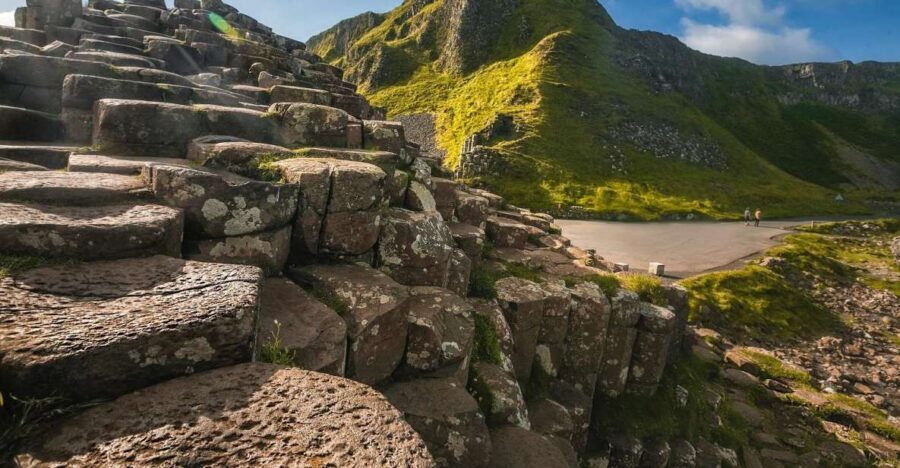
- Giant’s Causeway with at least two hours on the ground among roughly 40,000 hexagonal basalt columns
- Carrick-a-Rede rope bridge photo stop with views toward Rathlin Island
- Dunluce Castle cliff-top ruins with paid entry time for a proper look
- Dark Hedges roadside stop tied to its Game of Thrones fame
Getting from Dublin to Belfast on the Peace Highway
The tour is built around a straightforward idea: leave Dublin, arrive in Belfast for a focused evening and overnight, then spend the next day working your way up and along the northern coast before returning south. The drive to Belfast is about two hours, and you’re traveling via the Peace Highway, which is a nice reminder that this region’s modern story is part of the experience, not just something you read about later.
On Day 1, you’re not thrown into a nonstop sprint. The day starts with real stops first, then you get to Belfast with time to breathe. That rhythm matters because Belfast’s best moments are not just the headline attractions. They’re also in the street level: old buildings, harbor views, and the way the city feels right now.
You can also read our reviews of more guided tours in Dublin

St. Peter’s Cathedral in Drogheda: St. Oliver Plunkett’s preserved head
Before Belfast, there’s a stop that’s small in scale but big in meaning. At St. Peter’s Cathedral in Drogheda, you’ll see the fully preserved head of St. Oliver Plunkett, who was beheaded by the English in 1681. It’s displayed in a glass box near the altar, and it gives you a quick, tangible link to the religious and political tensions that shaped Irish history.
This is the kind of stop that works even if you’re not a history super-fan. You get a short, clear introduction to a person tied to centuries of conflict, and then the tour moves on. If you enjoy understanding context before the scenery, you’ll appreciate this.
Monasterboice ruins and those famously carved Celtic crosses
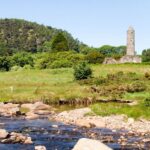
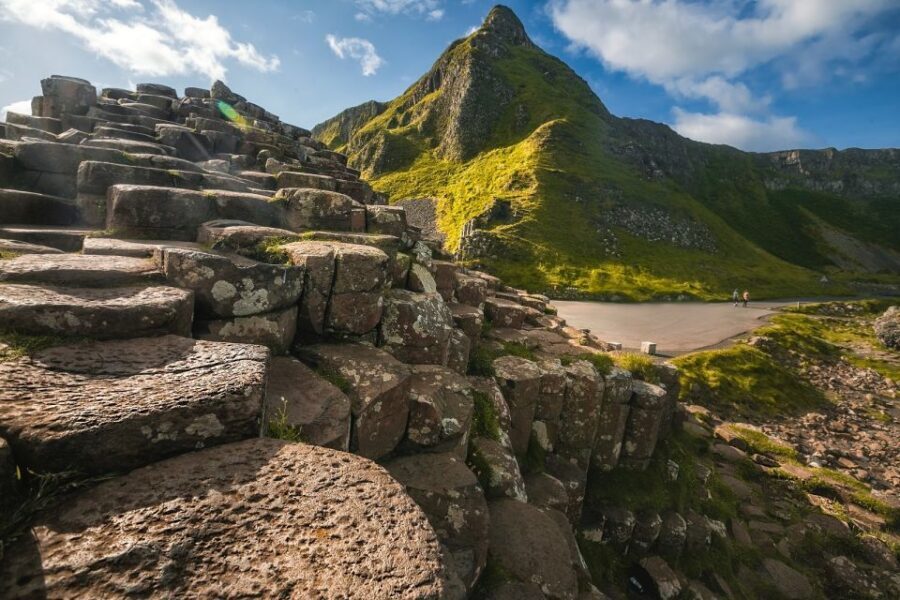
After Drogheda, you’ll head off the highway to Monasterboice, one of those places that makes time feel thicker. You’ll see the 10th-century round tower, and you’ll learn how residents used it as refuge from the Vikings. Then you’ll be directed toward some of the most beautiful Celtic crosses, carved by hand by monks in the 9th century.
What makes this stop click is variety. It’s not just ruins. You’re seeing architecture, learning why people built it, and then connecting that to the crosses as handmade art. It gives your Day 1 a spine: you start with meaning, then later you switch gears to modern Belfast and the Titanic story.
Belfast on Day 1: two hours to choose your mood
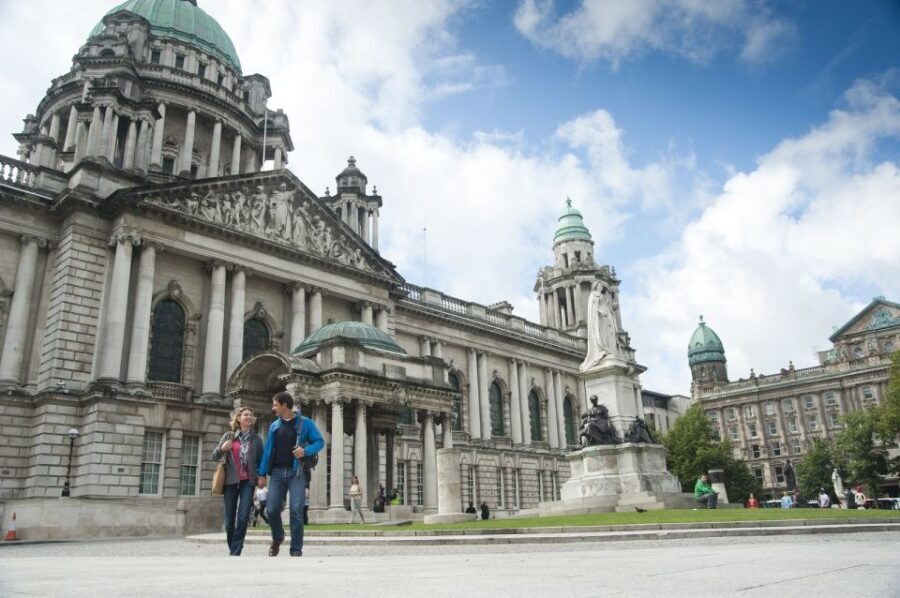
When you arrive in Belfast, you get about two hours of free time in the city. That’s not meant for a full sightseeing marathon. It’s for a quick reset: lunch, shopping, wandering, or booking an optional activity if you want deeper context.
The tour points you toward a Black Taxi Tour of the Falls and Shankill Roads. If you’re choosing that, here’s a practical tip to keep your day smooth: plan to pay with cash. The tour structure leaves enough space that you can do it without panicking, but cash-only can trip people up if you’re relying on cards.
If you don’t book the taxi tour, use the time to orient yourself in central Belfast. One useful heads-up from real-world timing: if you’re in Belfast on a Sunday, many shops may not open until around 1 pm. That doesn’t ruin your day, but it changes how you’ll spend those two hours.
Titanic Belfast: the story takes you from shipyard ambition to tragedy
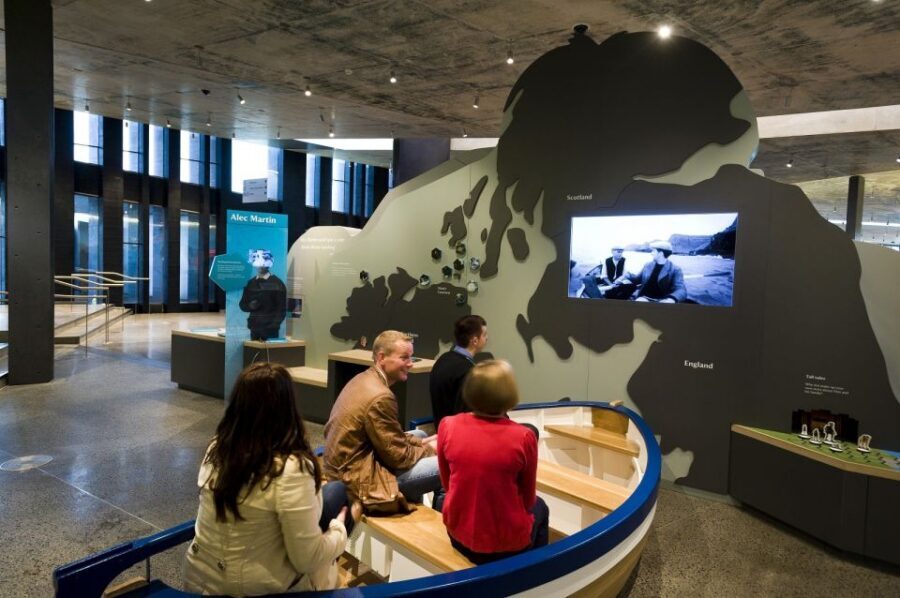
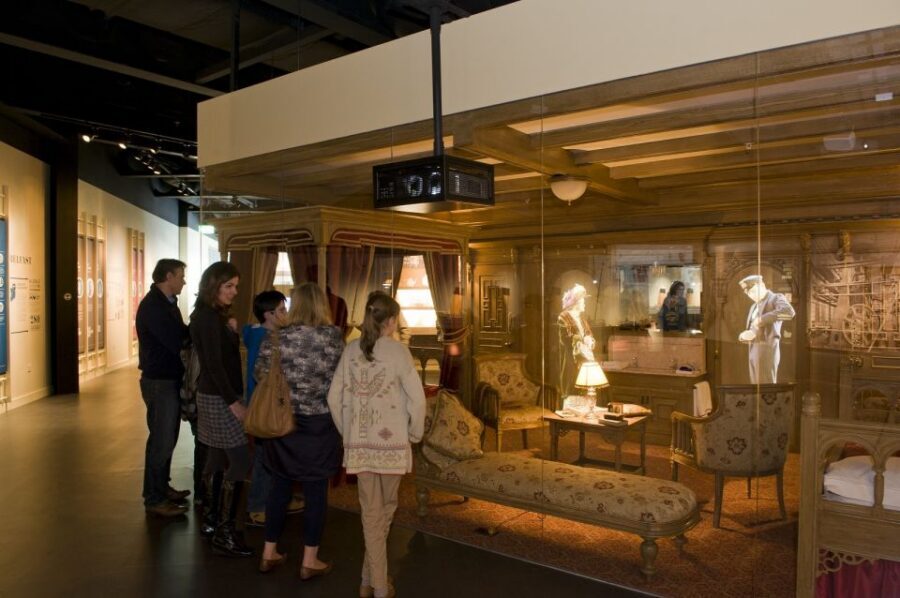
Even if you think you already know the Titanic story, Titanic Belfast is worth it because it moves through the full arc. You’ll head to the docks area and spend about two hours inside the all-new Titanic Belfast. The emphasis is on Belfast’s role in the early 1900s—how the ship was conceived in this city, how construction and launch happened, and how the maiden voyage ended in disaster.
This is the perfect kind of museum stop for a guided tour. You’re not left translating everything alone. You’re given the timeline, and the exhibits help you keep track of scale and intention—why shipbuilders cared, how Belfast’s industry mattered, and how the world reacted.
If you want the day to feel most cohesive, consider doing Titanic before spending your limited free time roaming the city. That way, you can keep your museum energy together and save your Belfast wandering for when shops and street life are running. (On Sundays, that order matters even more.)
You can also read our reviews of more tours and experiences in Dublin





Where you sleep: Belfast’s historic university quarter
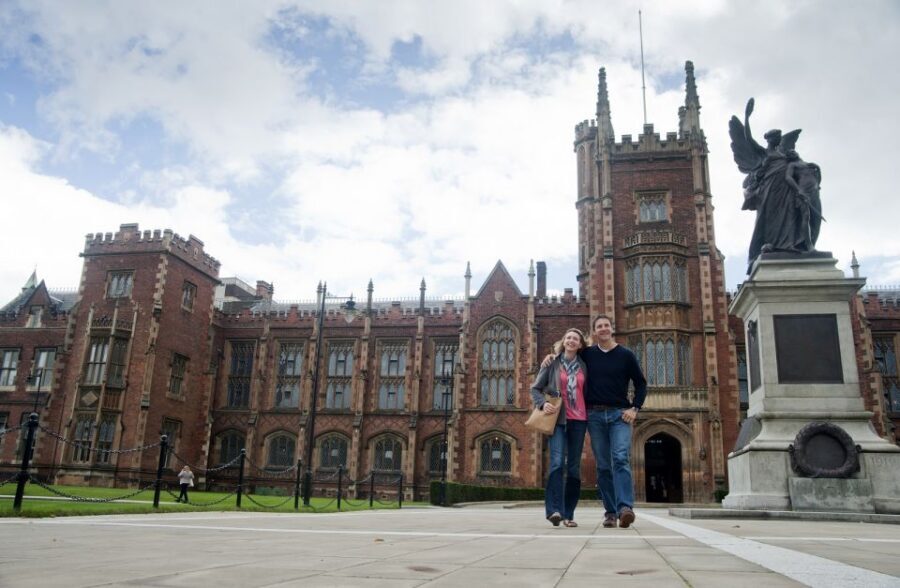
You’ll overnight in Belfast’s historic downtown university quarter. This is useful for two reasons. First, you’re not far from the city center when you wake up on Day 2. Second, that area tends to be lively enough for dinner options and strolls without feeling like you’re stuck out in the suburbs.
The tour guide is also part of the value here. In at least one case, the guide went above and beyond to help ensure people checked in safely to their hostel. That kind of support matters when you’re arriving in a new city and want confidence that you’re in the right place.
Day 2 by County Antrim: rope bridge views toward Rathlin Island
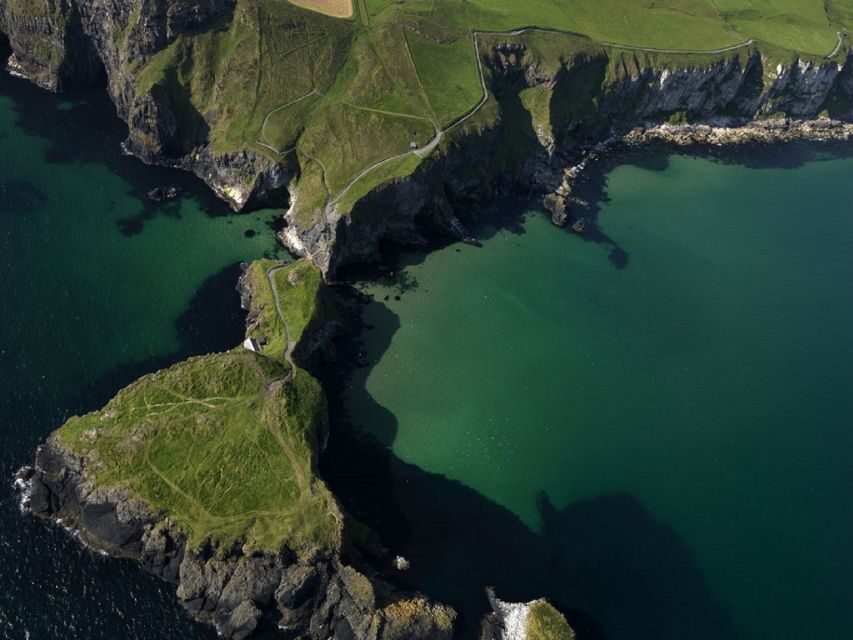
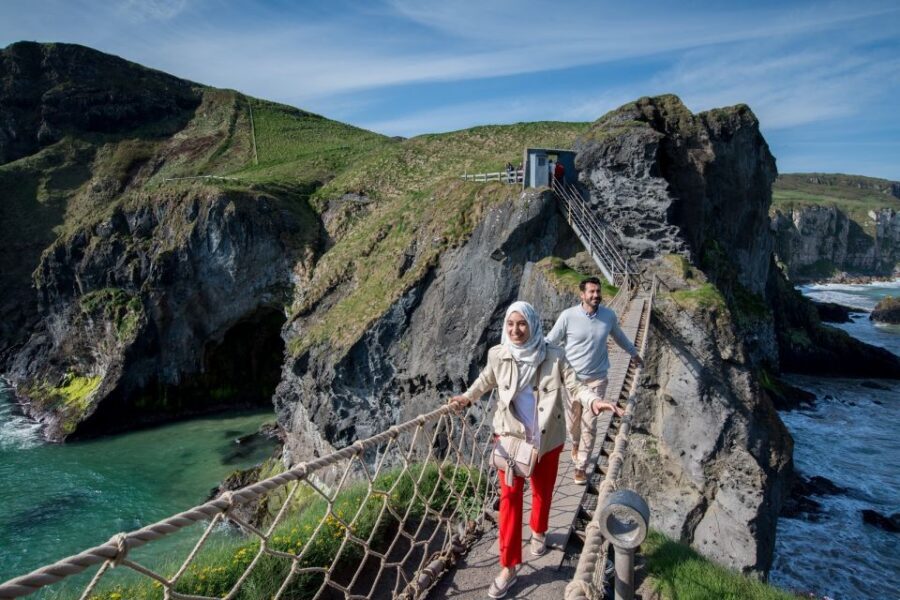
On Day 2, the pace shifts from city time to coastal time. The tour drives through rolling farmland in County Antrim and heads toward the northern coast of Ulster. Your first stop is a photo moment at Carrick-a-Rede rope bridge. You’ll get views out toward Rathlin Island, and you’ll be able to frame the bridge and coastline for some of the trip’s best pictures.
Carrick-a-Rede is one of those stops where timing and walking options can matter. If you’re thinking about how to see the area at your own pace, keep in mind that the tour may include footpath walking and alternative arrangements depending on conditions. It’s smart to ask the guide on the day what your specific walking plan is, especially if you have mobility constraints or you hate surprises.
Giant’s Causeway: 40,000 basalt columns and how to pace two hours
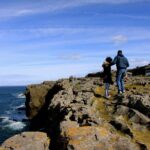
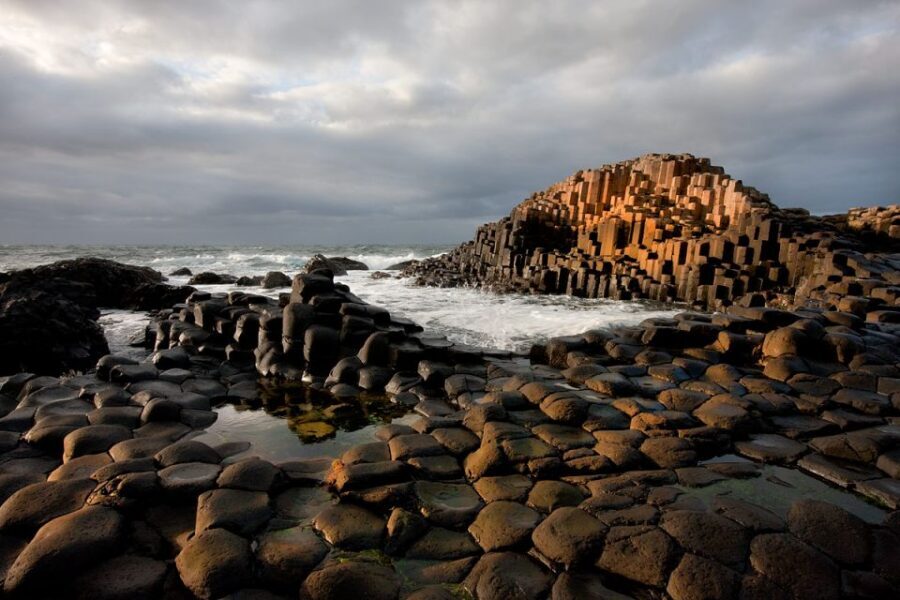
Then comes the big one: Giant’s Causeway. You’ll explore the site with its estimated 40,000 hexagonal basalt columns, formed during a volcanic eruption about 60 million years ago. Even if you’ve seen photos, seeing the scale in person changes the way you understand it. The columns feel too orderly to be natural—and that contrast is exactly why people come.
You’ll have at least two hours here. That’s enough time to walk some paths, stop for photos, and still feel like you’re not sprinting. If you’re the type who likes to linger, that time window is a good fit. If you prefer structure, you’ll likely keep your route tight based on what the guide suggests.
One reality check: part of the experience is how you choose to move through the site. The tour may provide ways to manage the walk depending on the day’s plan. If you care about the walking details, ask early so you don’t lose time later.
Dunluce Castle ruins: the MacDonnell cliff-top scene
After the Causeway, you head to Dunluce Castle, with its cliff-top ruins and paid entrance included. This is the ancestral home of the MacDonnell Clan, and the location helps explain why it mattered. The views are dramatic, and the rock-and-ruins setting gives you that old-fortress feeling without needing a lot of imagination.
What I like about Dunluce on a guided trip is that it’s not just scenery. You get time for a comprehensive exploration, meaning you can wander, look at the layout, and take in the scale of what remains. If you’re the kind of traveler who pauses often to look closely, this stop rewards you.
Dark Hedges: a haunted-feeling tree-lined road and Game of Thrones fame
Dark Hedges is a photo stop that’s quick but memorable. It’s a tree-lined road said to be haunted and made world-famous by Game of Thrones. You won’t spend hours here, but you don’t need to. The visual payoff is the symmetry: two rows of trees forming a corridor, with light and shadow doing most of the work.
This is also a useful break between longer stops. After Giant’s Causeway and Dunluce Castle, you get a simpler moment where you can just take pictures, stretch your legs, and reset your brain for the ride back.
Price and logistics: what you get for $234 per person
At $234 per person for two days, the value comes from the package nature. You’re paying for a guided experience plus transportation, accommodation (based on the option you select), breakfast, and entrance fees. Lunch and dinner aren’t included, so budget for at least two meals across the trip, plus any optional add-ons.
If you were to plan this independently, you’d pay for entry tickets at the major stops and you’d spend time coordinating transport and timing. Here, the heavy lifting is done for you. The trade-off is flexibility: your day runs on the tour’s schedule, and if you want to hang longer in one place, it’s harder.
The tour also has practical limitations. There are no pets, and luggage or large bags aren’t allowed. If you’re traveling light, you’ll have less friction. If you’re carrying bulky gear, it’s worth planning storage and transport carefully before you commit.
Who this tour fits best (and who should skip)
This tour is a strong match if you want the highlights of Northern Ireland without the stress of planning driving routes, ticket timing, and sequencing. It also works well if you like guided context—Titanic Belfast especially benefits from a clear narrative path.
It’s less ideal if you need step-free or wheelchair access. The tour is not suitable for wheelchair users. Also, if you’re the type who hates group pacing or you need lots of communication precision in English, you may find that the guide style varies by day and by group needs.
Finally, if you’re on a tight schedule and you want a one-shot introduction to Belfast plus the Causeway coast, this is one of the more efficient ways to do it. Two days is long enough for the icons, but short enough that you’ll likely want a follow-up trip to explore at a calmer tempo.
Should you book this Dublin to Belfast tour?
I’d book it if your priority is a guided, structured taste of Belfast and the Antrim coast: Titanic Belfast, Giant’s Causeway, Dunluce Castle, plus Carrick-a-Rede and Dark Hedges. The price makes sense because entry fees and transport are baked in, and the time on the two biggest attractions (Titanic and the Causeway) is substantial.
I’d think twice if you need maximum flexibility, if you’re traveling with large luggage, or if Sunday timing might throw off your plans. Also, if you know you’ll rely heavily on verbal explanations for understanding, come prepared to ask questions and confirm the day’s walking choices early.
If you want a compact Northern Ireland hit that balances story and scenery, this tour delivers.
FAQ
How long is the tour?
It runs for 2 days.
Is there an overnight stay included?
Yes. You’ll stay overnight in Belfast’s historic downtown university quarter.
What’s included in the price?
The tour includes a guide, transportation, accommodation (based on the selected option), breakfast, and entrance fees.
Are lunch and dinner included?
No. Lunch and dinner are not included.
What do you do on Day 1?
Day 1 includes stops in Drogheda (St. Peter’s Cathedral), Monasterboice ruins, free time in Belfast, Titanic Belfast (about 2 hours), and overnight in Belfast.
What are the key stops on Day 2?
Day 2 includes Carrick-a-Rede photo stop, Giant’s Causeway (at least 2 hours), Dunluce Castle (paid entrance), Dark Hedges, plus the return drive toward Dublin with a rest/refreshments stop.
How much time do you get at Giant’s Causeway?
You’ll have at least 2 hours exploring the Giant’s Causeway.
Is the Carrick-a-Rede bridge part of the tour?
You’ll have a photo stop at Carrick-a-Rede rope bridge.
Is it wheelchair accessible?
No, the tour is not suitable for wheelchair users.
Is free cancellation available and can I reserve without paying now?
Free cancellation is available up to 24 hours in advance for a full refund. You can also reserve now and pay later.