REVIEW · DUBLIN
From Dublin: 3-Day Discover Northern Ireland Tour
Book on GetYourGuide →Operated by Rabbie's Small Group Tours Ireland · Bookable on GetYourGuide
Three days can change how you see Ireland.
This tour mixes big-name sights with real local textures: Belfast’s Titanic Quarter and County Down’s Mount Stewart House & Gardens give you history with scenery, then the road turns into a view-factory along the Causeway Coastal Route. What I like most is the balance between structured stops and breathing room, plus the way the driver-guide (hi, Marcus) links what you see to the political and social story behind it. One thing to plan for: many attractions and meals are not included, so you’ll want a budget for ticketed sites and lunch.
The group stays small (max 16), the driving is in a 16-seat Mercedes minicoach, and you sleep for two nights in Bangor with en-suite B&B rooms. Just be ready for country walking and the fact that some B&Bs sit a short walk from town pubs and restaurants.
In This Review
- Key things I’d plan around
- Belfast and the Titanic Quarter: context before the scenery
- Mount Stewart House & Gardens and Bangor: a softer day after Belfast
- The Causeway Coastal Route: the drive you’ll remember
- Game of Thrones locations with real coast scenery
- Bangor to Strangford Loch: ferry views and a different mood
- St Patrick’s route in Downpatrick: history you can feel
- Mourne Mountains and Carlingford Loch: granite peaks before Dublin
- Price and value: what $759 buys (and what it doesn’t)
- Who this small-group Northern Ireland tour is perfect for
- Should you book this Dublin-to-Northern-Ireland tour?
- FAQ
- How long is the 3-Day Discover Northern Ireland Tour?
- How many people are in the group?
- What’s included in the price?
- Are meals included during the tour?
- Where does the tour start and end?
- Is there a luggage limit and minimum age?
Key things I’d plan around

- Small group energy (16 max) makes it easier to hear the guide and move efficiently between stops
- Belfast + Titanic Quarter first sets the context before you hit the coasts and mountains
- Mount Stewart House & Gardens gives you a slower, garden-and-estate pace after the city
- Causeway Coastal Route is the star drive, not just a transfer to Giant’s Causeway
- Game of Thrones filming locations are mixed in with landscape and local culture
- St Patrick country route adds meaning beyond scenic photos
Belfast and the Titanic Quarter: context before the scenery
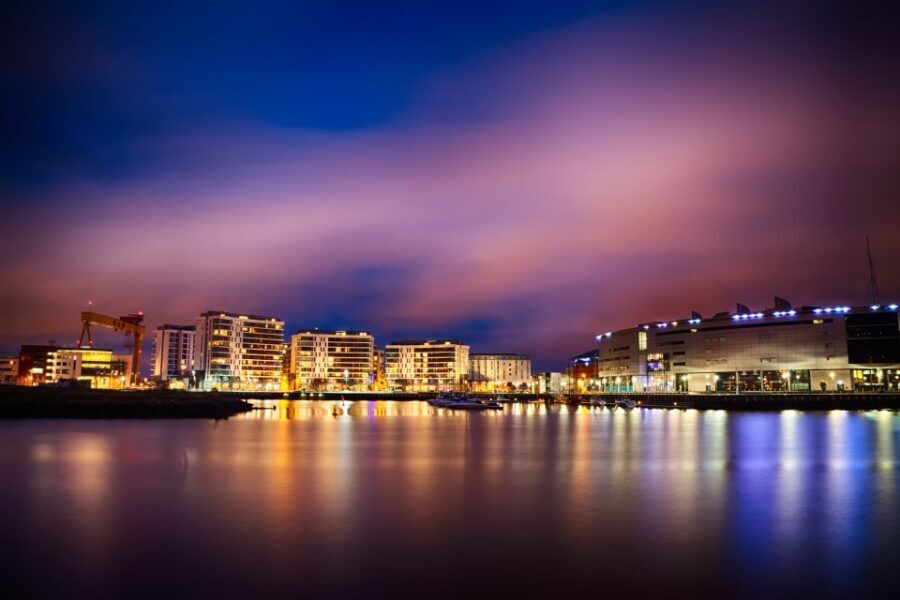
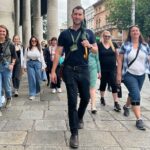
You start in Dublin and head north, trading city streets for countryside scenery as you approach Belfast. When you arrive, the tour doesn’t just park you in front of landmarks. You get a short city tour that covers the capital’s triumphs and tragedies, plus the soul of the place. That matters, because Belfast can look like a patchwork of eras and ideas, and the guide helps you read it instead of just snapshotting it.
Then comes the Titanic Quarter. You get time to explore the regenerated waterfront area where the ship was built and launched in 1911, plus access to its museums and attractions. If you like your history tied to engineering and place, this is where it clicks. The ships were made here, and the shoreline still tells the story even if you only spend part of the afternoon.
Practical note: Belfast is where you’ll want to do your walking legs early. You’re moving at a human pace, not in a rushed sprint, but you’ll still be on your feet.
You can also read our reviews of more tours and experiences in Dublin


Mount Stewart House & Gardens and Bangor: a softer day after Belfast

After Belfast, the plan shifts from city to country. You head into County Down for Mount Stewart House & Gardens, a 19th-century estate where the experience is as much about atmosphere as it is about sights. The house has a dignified feel, and the gardens add that slow, wandering pace that makes the day feel less like a checklist.
After touring the estate, you continue to Bangor, your cozy base for the next two nights. Bangor is a smart choice for this itinerary: it gives you easy access to the north coast drive the next morning, while still feeling like a real town rather than a tourist-only bubble.
Where you sleep: you’ll stay in locally owned guesthouses and B&Bs, all en-suite. Here’s the consideration that helps you plan: B&Bs tend to be on the outskirts, and you should expect a 20–30 minute walk to pubs and restaurants. If you don’t like stairs, mention it ahead of time, because lifts won’t be available in this type of property.
This is also where the reviews really land. The Bangor stay is described as excellent, with friendly hosts and a rich historical atmosphere, which makes your downtime feel like part of the trip instead of just an overnight stop.
The Causeway Coastal Route: the drive you’ll remember
Day two is built around the Causeway Coastal Route, and the key word here is journey. You leave Bangor in the morning and head north through winding roads that cut across sweeping views. This stretch is famous for a reason: you’re not just traveling between points, you’re watching the coastline change shape over and over.
Along the way, you stop in places like Glenarm and Ballycastle. These aren’t just dots on a map. They’re the kind of stops where you can step out, look around, and feel what the coast is like when you’re standing on it instead of viewing it from a bus window.
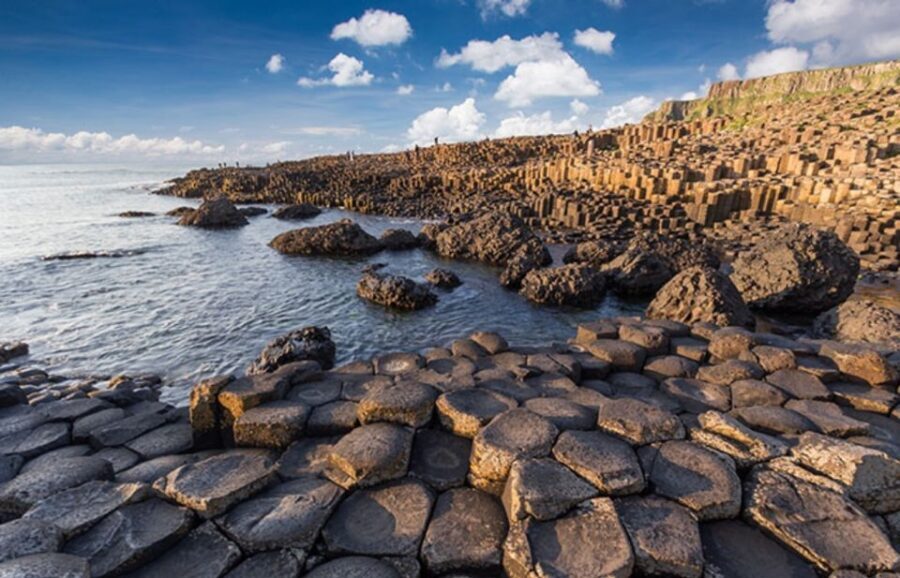
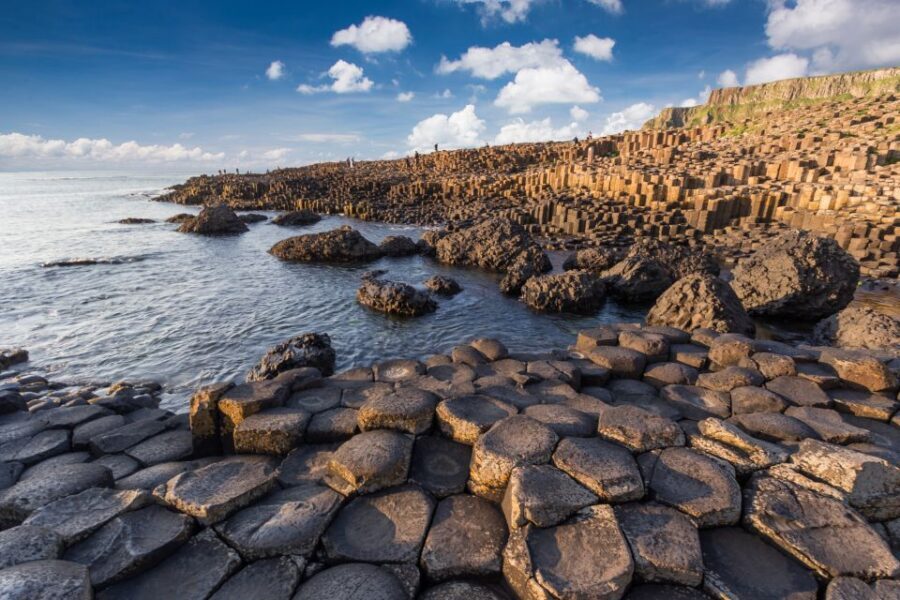
Then you get your real payoff: Giant’s Causeway. The tour brings you to a place where geological beauty and myth collide. Basalt columns and sea views do the convincing without any extra effort, and the story side gives you something to hold onto when the scenery is so dramatic it can feel unreal.
One thing to keep in mind: attraction entry fees aren’t included. So if you’re hoping to do specific museum-style exhibits or paid viewpoints, factor that into your total spend.
Game of Thrones locations with real coast scenery

The tour doesn’t treat Game of Thrones as separate entertainment. It weaves the filming locations into the wider coastal experience, so you’re not just doing a themed detour. Leaving Giant’s Causeway, you travel through classic TV locations and coastal heritage.
You may have a chance to see the Dark Hedges, which is the kind of photo stop people plan their trips around. Whether it’s a guaranteed sight isn’t spelled out, so I recommend having flexibility in your mindset. If you do get there, it’s memorable for the way the trees frame the road and pull your eye forward like a scene.
The rest of the day keeps the pacing grounded: drive, short stops, and enough time to look rather than rush. That balance is part of what makes a small-group format feel better than big tours. With a max of 16, it’s easier for the driver-guide to manage timing and for you to ask questions without shouting.
Bangor to Strangford Loch: ferry views and a different mood
On day three, you leave Bangor and head to the Ards Peninsula. First stop: Portaferry, where you take a ferry across the “Narrows” of Strangford Loch. This is one of those moments where you feel your shoulders drop, because you’re getting movement without the stress of constantly loading and unloading.
You have ample time for photos on the ferry, and the loch adds atmosphere through sound and light, not just views. In a tour full of landscape drama, this is a nice shift to something calmer.
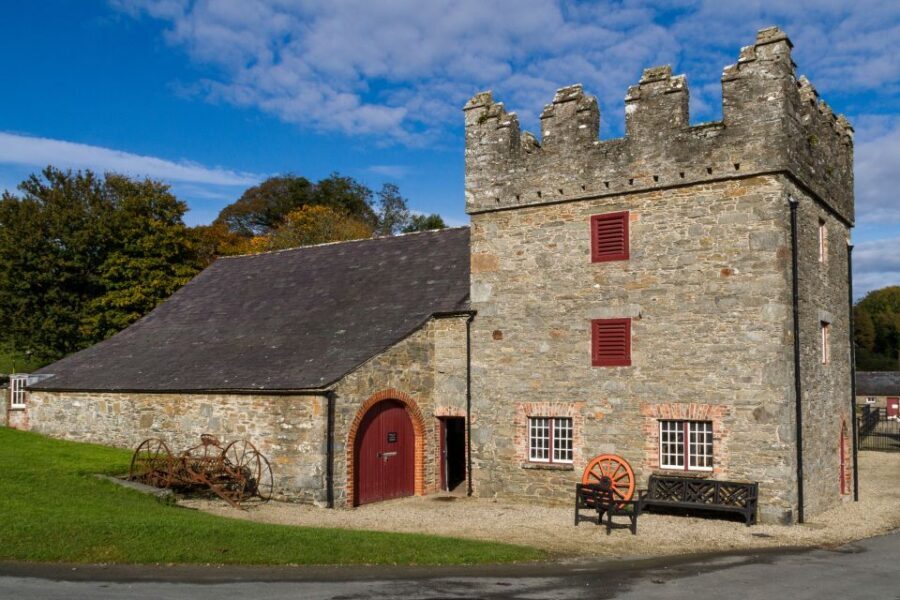
Then you head to Castle Ward, a key Game of Thrones filming location linked to Winterfell. What makes this stop more than a themed photo stop is the chance to think about the lived reality behind the fiction. You can walk the grounds and imagine what the “real residents” might have experienced compared with the fantasy version.
Lunch happens after Castle Ward, giving you a break that matters before the day turns more physically scenic again.




St Patrick’s route in Downpatrick: history you can feel
After Castle Ward, the tour follows the holy footsteps of St Patrick through his historic and beautiful country. You’ll have time for lunch in this area, and there’s an option to visit either Down Cathedral in Downpatrick or the St Patrick’s centre.
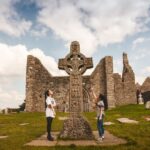
This is where the itinerary adds meaning. The coast is spectacular, but the religious and cultural route gives you another layer of Northern Ireland identity. Even if you don’t want a super formal museum moment, you’ll still come away with a clearer sense of why this region’s stories are tied to the people who lived here and the beliefs that shaped daily life.
And with the driver-guide explanation running in the background, those sites can connect back to Belfast in your head. It all starts to feel like one story, not three separate days of driving.
Mourne Mountains and Carlingford Loch: granite peaks before Dublin
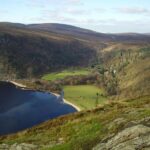
The late part of day three is all about bold scenery. After Downpatrick, you take a stunning, winding drive into the Mourne Mountains, where the granite peaks can make you stop talking for a minute. This is the kind of landscape where your camera tries to keep up but can’t fully match the sense of scale.
From the mountains, you finish with a final stop at the shores of Carlingford Loch, before arriving back in Dublin. The timing helps: you’re not ending on another rushed city hour. You close the trip with water and mountain views, then roll back toward home.
Drop-off in Dublin on day three is scheduled for around 19:00, so if you have a dinner plan afterward, it helps to keep it flexible.
Price and value: what $759 buys (and what it doesn’t)
The tour price is listed at $759 per person, and the value depends on how you think about costs.
What you do get:
- Transportation by a top-of-the-range 16-seat Mercedes minicoach
- A driver/guide
- Two nights bed and breakfast in Bangor (en-suite rooms)
What you should budget for separately:
- Meals other than breakfast
- Refreshments
- Visitor attraction entry fees
That means the trip is not just a bus-and-snap tour. You’re paying for the full package of transport plus two nights of lodging, and you’re also paying for the guide’s job of turning stops into understanding. Reviews put real weight on Marcus’s attention and the way the guide shared context on historical, political, and social characteristics of Ireland and Northern Ireland. That kind of interpretation can be the difference between visiting places and actually learning how they fit together.
If you like to keep things spontaneous and skip ticketed extras, your final spend might stay predictable. If you want to do every paid museum-style stop and add multiple lunches, you’ll pay more. Either way, knowing that entry fees and meals aren’t included helps you plan a realistic total.
Who this small-group Northern Ireland tour is perfect for
This itinerary is a great fit if you want a classic highlights route without the stress of planning. You get Belfast, Titanic Quarter, the best-known coast sights, Game of Thrones locations, and a St Patrick-themed day—then you finish with mountain and loch drama.
It’s also a strong option if:
- You like having a guide explain what you’re seeing, not just where to stand for photos
- You prefer small-group pacing over crowded coach chaos
- You want one base (Bangor) and a structured loop each day
If you dislike walking, you’ll want to think carefully. Country stops are part of the design, and some B&B locations require a 20–30 minute walk to reach town facilities. If stairs are an issue, tell the operator ahead of time so you can plan around it.
Should you book this Dublin-to-Northern-Ireland tour?
I’d book it if you want a tight 3-day route that mixes big sights with guidance and doesn’t require you to juggle logistics. The standout strength is the combination: Belfast context + coast spectacle + Game of Thrones stops + St Patrick country + Mourne Mountains. That’s a lot of variety for only three days, and the small-group size helps keep it from feeling like a cattle run.
Skip it only if you know you’ll hate extra on-the-ground costs (ticketed attractions and lunch). Also, if you need a hotel with easy access or elevators, you’ll want to double-check your lodging comfort level since B&Bs can be walkable-from-town and lift-free.
If your style of travel is part scenic, part story, and part hands-on exploration, this is one of the most satisfying Northern Ireland formats you can do from Dublin.
FAQ
How long is the 3-Day Discover Northern Ireland Tour?
The tour runs for 3 days, with starting times shown when you check availability.
How many people are in the group?
The group is limited to a maximum of 16 participants for a more intimate experience.
What’s included in the price?
Included features are transportation by a 16-seat Mercedes minicoach, a driver/guide, and 2 nights bed and breakfast accommodation.
Are meals included during the tour?
Meals other than breakfast are not included, and refreshments are also not included.
Where does the tour start and end?
It departs from opposite the Kilkenny Shop, 6 Nassau Street, Dublin 2, and ends back at the meeting point. Drop-off in Dublin on day 3 is scheduled for approximately 19:00.
Is there a luggage limit and minimum age?
Minimum age to participate is 5 years. You’re restricted to 20kg (44lbs) of luggage per person, with one piece that should be similar to an airline carry-on, plus a small personal onboard bag.