REVIEW · DUBLIN
Dublin: Forge Your Own Silver Claddagh Ring Workshop
Book on GetYourGuide →Operated by Silver Works · Bookable on GetYourGuide
There’s something satisfying about making metal with your own hands. In Dublin at Silver Works, you’ll learn basic goldsmithing and leave with a sterling silver Claddagh ring you shaped yourself. I especially liked the step-by-step guidance and how the class stays fun while still being practical. One thing to consider: the studios have steep stairs, so it’s not a good fit for people with mobility impairments.
The workshop is built around an Irish symbol you can actually wear: the heart, crown, and clasped hands of the Claddagh. I also love that it includes small touches like tea, coffee, and chocolate treats, plus aprons and all the tools you need. If your English isn’t strong, that’s the main potential snag, since you do need a good level of English for the workshop.
In This Review
- Key highlights worth your time
- Forging the Claddagh: Dublin’s symbol you can wear
- What a Claddagh ring actually represents
- Your 2-hour workshop flow at Silver Works
- Step one: walk in, get set up, and start with the right tools
- Step two: marking and piercing the strip
- Step three: turning flat metal into a ring circle
- Step four: finishing so you can wear it home
- Instruction that makes craft feel doable
- Price and value: what $148 really covers
- Who this workshop is best for (and who should skip it)
- Practical tips so you don’t lose time in Dublin
- The small details that make the class feel like a real experience
- Should you book the Dublin silver Claddagh workshop?
- FAQ
- How long is the workshop?
- Where does the workshop take place?
- What is included in the price?
- Do I need to bring any materials or tools?
- Is the workshop suitable for children?
- Is English required?
- What if I’m late or have limited mobility?
Key highlights worth your time
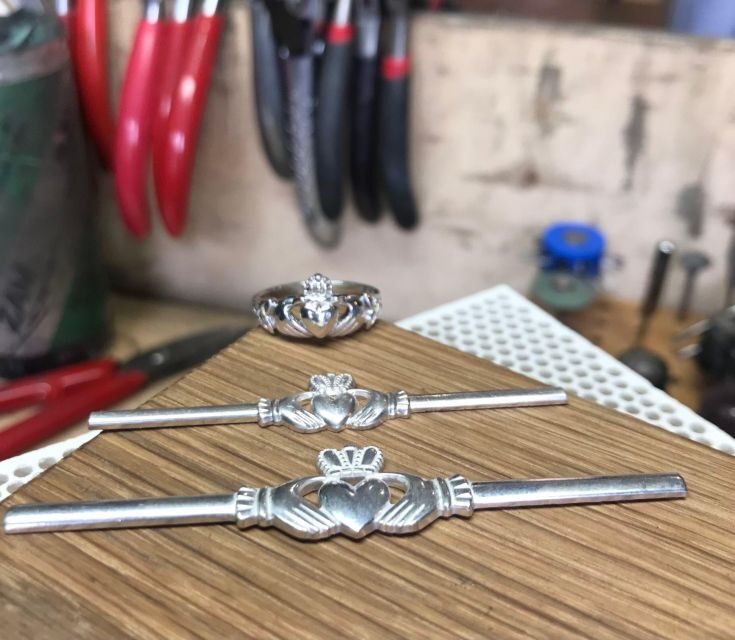
- Hands-on goldsmithing basics like marking with a scribe and cutting with a jewelers saw
- Real ring-shaping using pliers and a ring mandrel to form the iconic circle
- Go home wearing it: you leave the workshop with your finished sterling silver creation
- Clear, patient instruction from instructors including Orla, Clodagh, and Audrey
- Included comfort items: apron, tea, coffee, and chocolate treats
- A meaningful design: heart for love, crown for loyalty, hands for friendship
Forging the Claddagh: Dublin’s symbol you can wear
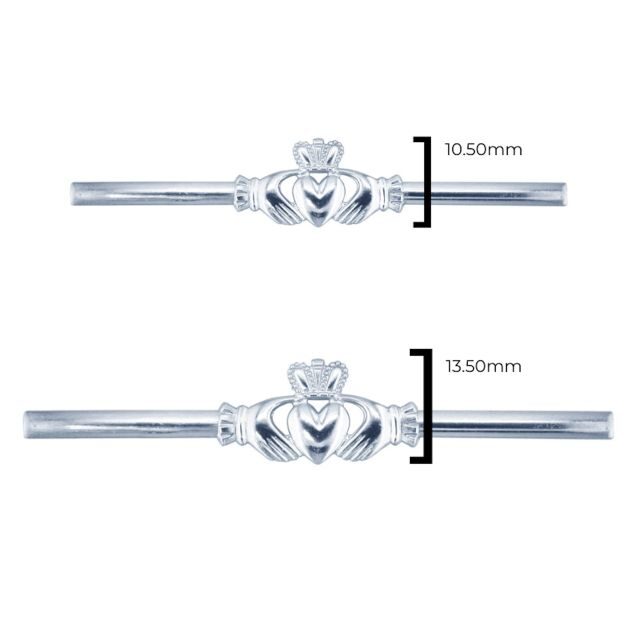
A Claddagh ring is one of those Irish traditions that doesn’t feel locked in a museum. It’s symbolic, yes, but it’s also personal: you can make one for yourself, or give it to someone and let the meaning do the talking. In this workshop, that symbolism is backed up by actual craft work, not just a history lecture.
You start from a Claddagh ring strip and turn it into a ring that’s made for you. That means the time in the studio isn’t just watching and hoping. You’ll be marking, cutting, shaping, and learning how a ring goes from flat metal to something that fits your hand.
You can also read our reviews of more tours and experiences in Dublin


What a Claddagh ring actually represents
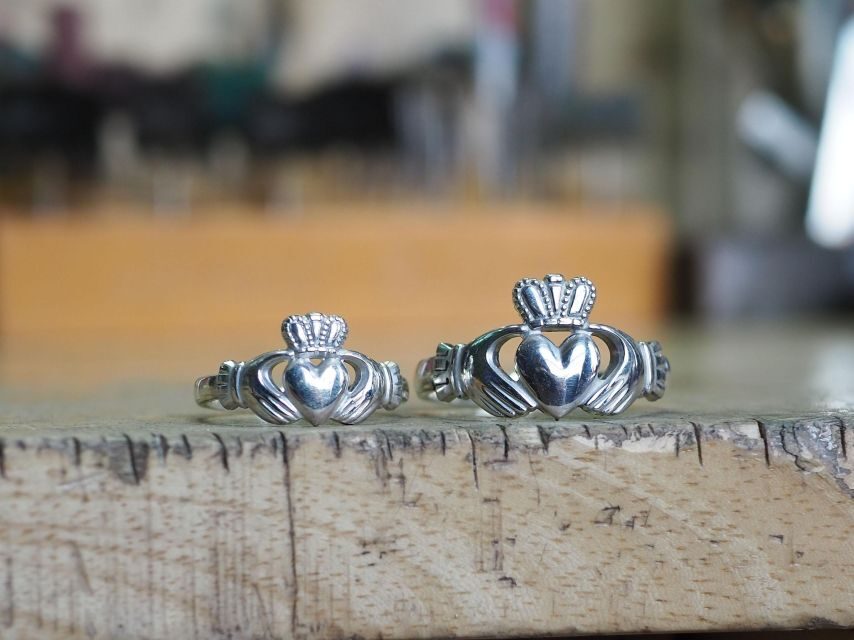
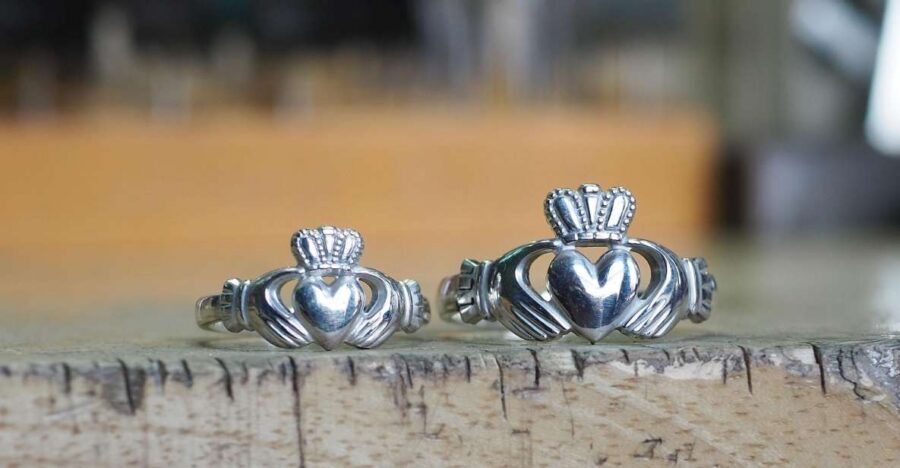
The workshop’s center piece is the Claddagh design: a heart, a crown, and two clasped hands. The heart represents love. The crown is loyalty. The hands represent friendship.
Even if you already know the story, I like how the workshop treats it as a design you can build. You’re not just buying an object and reading a plaque. You’re creating a piece that makes the symbol feel real because your fingers did the work.
Your 2-hour workshop flow at Silver Works
The session runs about 2 hours, and you’ll want to plan for that as a true block of time. The workshop happens at Silver Works in Dublin, and you start and end at the same meeting point.
Step one: walk in, get set up, and start with the right tools
You’ll head straight into the Silver Works store and show your GetYourGuide voucher. Once you’re in, the studio provides what you need: tools and equipment, plus an apron. That’s a big deal for value. You’re paying for skill-building and materials, not for having to hunt down supplies before you arrive.
You’ll also get tea and coffee during the class, with chocolate treats included. It’s not a fancy meal, but it helps make the workshop feel relaxed and comfortable—especially if you’ve been walking around Dublin all day.
Step two: marking and piercing the strip
One of the most practical parts is learning to mark with a scribe and then pierce your strip with a jewelers saw. This is real jewelry-making technique, not craft-store busywork.
Why that matters: early precision sets up everything that follows. If you take your time here, you avoid sloppy alignment later. The instructors guide you through the steps, and the class doesn’t move so fast that you feel lost.






Step three: turning flat metal into a ring circle
Next comes the transformation people love to watch: creating the iconic ring circle. You’ll shape it using pliers and a ring mandrel. If you’ve ever wondered how a “ring shape” is made, this is where it clicks.
This part teaches you the difference between bending metal and actually forming it correctly. You’re learning how to control shape with simple tools, which is the core of goldsmithing. Even if you end the class with a ring you’d only wear occasionally, you still walk away with a skill you can talk about.
Step four: finishing so you can wear it home
By the end of the workshop, you leave with your sterling silver creation around your finger. That’s a big promise and it’s also the right kind: you’re not just leaving with a partly finished project that turns into a chore later.
The workshop includes a Claddagh ring (size 10.50mm). During the session, you work on your ring from the provided materials and create the finished piece you’ll take with you. If you’re particular about fit, pay attention to the instructor’s guidance while you’re shaping and finishing, since the ring is meant to end as something wearable.
Instruction that makes craft feel doable
The biggest reason this workshop gets top marks is the teaching style. Instructors such as Orla and Clodagh were praised for explaining everything as you go, and Audrey is noted as funny and patient. That combination is exactly what you want in a hands-on class.
Because jewelry making involves small, careful steps, the worst-case scenario is feeling embarrassed when you miss something. Here, the vibe sounds easygoing, with clear explanations and support while you work. That matters for confidence. If you’re worried you’ll be clumsy with tools, this is the kind of setting where you’re meant to learn.
English instruction is also important. The workshop requires a good level of English, so you can follow the process and ask questions. If English is comfortable for you—speaking and listening—this is likely to feel smooth rather than stressful.
Price and value: what $148 really covers
At $148 per person, this isn’t a cheap souvenir class. But it’s also not overpriced when you look at what’s included and what you do with it.
You’re getting:
- A workshop focused on sterling silver Claddagh ring-making
- All tools and equipment
- An apron
- Tea, coffee, and chocolate treats
- A ring you leave wearing
Jewelry workshops can start feeling expensive when you realize you’re mostly paying for a studio and an instructor’s time, while you provide materials and equipment. Here, the materials and tools are part of the deal. You’re also not just learning theory—you’re actively shaping the metal.
If you like experiences that produce something you can wear and show off, the price starts to make sense fast. If you’re the type who wants to watch and not touch, you may prefer a different kind of Dublin activity, since this one is hands-on by design.
Who this workshop is best for (and who should skip it)
This is a great fit if you want:
- A meaningful souvenir that’s also a skill you can brag about
- A relaxing evening plan in Dublin that feels Irish and personal
- A hands-on craft challenge with guidance built in
It’s also suitable for children over 10 years old, and anyone under 16 must be accompanied by a paying guardian. If you’re traveling with teens who like making things, this can be a fun alternative to yet another sightseeing checklist.
I’d think twice if:
- Your English isn’t strong enough to follow instructions
- You have mobility concerns, since the studios aren’t suitable due to steep stairs
And if you’re expecting a quiet museum-style cultural experience, this workshop is very much about making—tools, metalwork, and learning by doing.
Practical tips so you don’t lose time in Dublin
This is the kind of activity where small timing details matter. Try to arrive about 10 minutes early, because late attendees beyond 10 minutes after the class starts can’t be accepted. If you’re coming from the airport, leave extra time—there are no transfers offered for late flights.
Also, don’t underestimate the building access. The workshop notes that both studios have steep stairs and aren’t suitable for people with impaired mobility. Plan your arrival route accordingly and consider whether you’ll be comfortable managing stairs with any bags.
Finally, come prepared to focus for the full two hours. You don’t need special jewelry experience, but you do need patience. The steps build in order, and the finished ring depends on taking your time at the beginning.
The small details that make the class feel like a real experience
It’s the combination of craft and comfort that makes this feel like a proper day activity. The aprons and tea/coffee/chocolate treats are small, but they signal you’re meant to settle in, not rush through.
I also like that the workshop starts with the basics: marking with a scribe, piercing with a jewelers saw, shaping with pliers and a ring mandrel. You get to understand how pieces of the process connect. That’s more satisfying than classes where you follow a big menu of steps without knowing why.
And because you leave with the ring, there’s closure. You won’t be waiting weeks for shipping or hoping the project turns out after the fact.
Should you book the Dublin silver Claddagh workshop?
Book it if you want a hands-on Irish experience that ends with a wearable keepsake, taught clearly by instructors like Orla, Clodagh, or Audrey. The value is strongest if you care about doing the craft yourself and you’re comfortable following instructions in English.
Consider skipping or switching to a different type of activity if you need step-free access because of the steep stairs, or if your English isn’t strong enough to feel confident during instruction.
If you’re on the fence between a craft class and another Dublin walking day, this one wins when you want something personal and practical. You’ll go home with a ring and the real satisfaction of having made it.
FAQ
How long is the workshop?
The workshop duration is 2 hours.
Where does the workshop take place?
You start at the Silver Works store. The activity ends back at the meeting point.
What is included in the price?
The experience includes the Claddagh ring (size 10.50mm), a goldsmith/instructor, all tools and equipment, an apron, tea, coffee, and chocolate treats.
Do I need to bring any materials or tools?
No. All tools and equipment are provided.
Is the workshop suitable for children?
It’s suitable for children over 10 years old. Anyone under 16 must be accompanied by a paying guardian.
Is English required?
Yes. A good level of English is required for all workshops.
What if I’m late or have limited mobility?
You should plan to arrive at least 10 minutes early, because late attendees beyond 10 minutes after the class starts can’t be accepted. The studios have steep stairs and are not suitable for people with impaired mobility.